Overview and Issuance Mechanism of Yooshiba Inu ($YSHIBAINU)
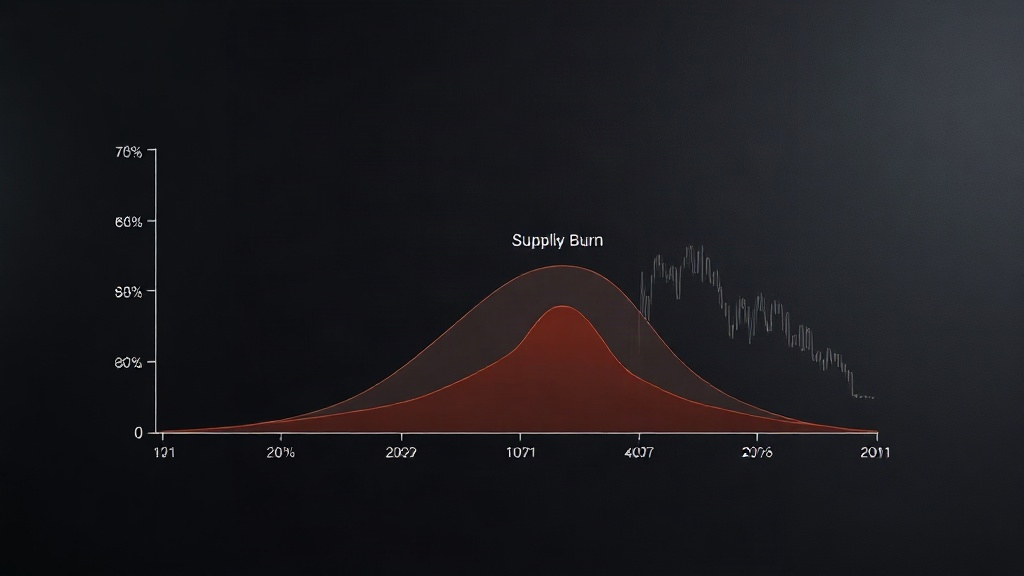
Yooshiba Inu (token ticker: $YSHIBAINU) was launched on November 10, 2021, on the Binance Smart Chain. As a typical project combining community meme culture with utility tokens, its initial total supply was set at 1 quadrillion. To regulate the circulating supply in the early stages and create deflationary expectations, the project team burned 50% of the initial supply upon launch, cutting the circulating base in half. This large-scale initial burn is a common early-stage strategy among similar digital assets, aimed at influencing market supply and demand dynamics by reducing the initial circulating volume.
Core Functions and Use Case Design
The $YSHIBAINU token relies not only on early hype but also incorporates multiple on-chain features designed to support its utility value. First is the buyback and burn mechanism, through which the project continuously repurchases tokens from the market using specific smart contract logic or protocol revenue and burns them, thereby attempting to achieve a sustained deflationary effect during operation. Second, the token is integrated into a Play-to-Earn gaming economic model, where users can earn rewards or consume tokens through interactions in related gaming environments. Furthermore, the ecosystem supports the acquisition of NFT characters, allowing users to leverage tokens to participate in the minting or exchange of specific digital assets. Finally, the platform offers staking functionality, enabling holders to lock their tokens in designated liquidity pools to earn holding rewards based on protocol rules over a specific period.
Market Trading Channels and Liquidity Characteristics
In terms of trading and circulation, the $YSHIBAINU token primarily relies on decentralized exchanges (DEX) for matching and swapping, with PancakeSwap serving as one of its main on-chain trading venues. Because it is built on the Binance Smart Chain, users need to interact via self-custodial wallets that support the network. However, from the perspective of market breadth, the token's trading depth and listings on mainstream centralized exchanges remain relatively limited, which directly determines its smaller market liquidity scale, making it susceptible to short-term price shocks from large buy and sell orders.
Potential Value and Limitations Analysis for Long-Term Holding
Evaluating whether $YSHIBAINU is worth holding long-term requires balancing its deflationary mechanism against potential growth in ecosystem demand. Theoretically, continuous buybacks and burns can reduce token supply over the long run; if demand remains constant or increases, prices could experience a positive impact. However, the project faces significant information gaps and potential risks. First, there is a lack of long-term authoritative institutional ratings, macroeconomic liquidity support data, and substantive mainstream market long-term value support reports. Second, its long-term activity levels, the persistence of community consensus, and concrete progress on its roadmap exhibit substantial uncertainty in public channels. For investors, meme and small-cap utility tokens generally carry high risks of volatility, liquidity exhaustion, and project stagnation. In the absence of sustained, genuine on-chain application consumption and robust iterative community consensus, the uncertainty of long-term holding is extremely high.