Top 10 Virtual Currency Trading Platforms and Overview of Mainstream Apps
Digital asset trading platforms serve as the core hub connecting investors with the crypto asset market. The user experience, system stability, and asset security of their mobile apps directly impact traders' daily operations. According to authoritative aggregation platforms such as CoinMarketCap and public market data, the global top ten cryptocurrency exchanges mainly include Binance, OKX, Coinbase, Bybit, Bitget, Gate.io, Kraken, KuCoin, HTX, and Bitfinex. Across different market cycles, these platforms have firmly secured their positions at the forefront of the industry through their respective ecological layouts, product lines, and regulatory progress.
It should be noted that trading volume and liquidity in the cryptocurrency market are characterized by high real-time volatility, and the rankings of third-party data statistical institutions dynamically adjust with market conditions. While specific rankings from the fifth to tenth positions may vary depending on statistical criteria (such as the weighting of spot versus derivatives), the leading tier and their respective business moats remain relatively clear.
Functional Characteristics and Market Positioning of Leading Digital Currency Exchanges
Binance is currently the world's largest centralized cryptocurrency exchange, offering a comprehensive ecosystem of services including spot trading, derivatives contracts, staking, and NFTs. Its market share has consistently led the industry, building a comprehensive ecosystem of "exchange + underlying Layer-1 blockchain BSC + DeFi." Binance's matching engine boasts exceptionally high concurrent processing capabilities, ensuring efficient system operation during extreme market conditions. Both its registered user base and daily trading volume rank first globally.
OKX is a leading global digital asset and derivatives trading platform. Its product line covers spot trading, margin trading, delivery and perpetual contracts, alongside deep integration with Web3 wallets. OKX excels in the richness of its derivative tools and liquidity depth, and enjoys extremely high penetration and popularity among global Chinese-speaking users and professional traders.
Coinbase, as the compliant leader in the North American market, is the first publicly traded cryptocurrency exchange in the United States (Nasdaq ticker: COIN). The platform focuses on strict compliance audits and institutional-grade custody services, supervised by multiple US regulatory agencies, with extremely strong security and traditional financial endorsement. It primarily targets mainstream Western investors and institutional clients with stringent requirements for compliance and capital safety.
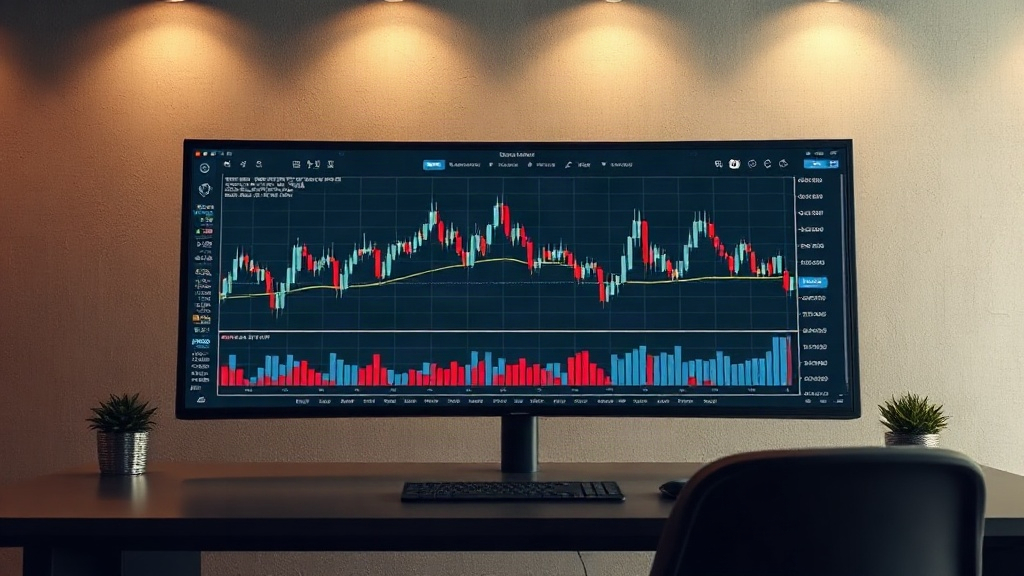
Bybit is globally renowned for its high-performance trading engine and derivatives trading services, attracting a massive volume of high-frequency traders and professional investors. It ranks near the top in derivatives liquidity and order book depth, with product design focused on minimizing slippage and enhancing execution efficiency for large orders.
Bitget has risen rapidly in recent years through copy trading features and the expansion of its comprehensive crypto ecosystem, entering the top tier of global trading platforms. The platform supports hundreds of mainstream assets and long-tail altcoins, and its copy trading mechanism allows regular users to replicate professional traders' strategies with a single click, lowering the barrier to entry for the derivatives market.
Gate.io, as a veteran digital asset trading platform, is distinguished by its rich variety of altcoins and the diversity of its DeFi project ecosystem. The number of small-cap coins and early-stage projects launched on the platform ranks among the best in mainstream platforms, meeting the diversified allocation needs of long-tail asset investors.
Additionally, veteran exchanges such as Kraken, KuCoin, HTX, and Bitfinex possess profound historical accumulation and loyal user bases in specific regional markets, European compliance, established communities, or professional margin lending sectors.
Core Indicator System for Assessing Digital Currency Exchange Rankings
Assessing the comprehensive ranking of cryptocurrency exchanges relies on more than a single dimension of exposure or promotion; the industry typically employs a scientific indicator system for comprehensive scoring. First is the 24-hour spot and derivatives trading volume, which carries the highest weighting (usually accounting for about 40%) and directly reflects the platform's market activity and capital capacity. High trading volume translates to tighter bid-ask spreads and better order execution experiences.
Second is liquidity depth, which determines whether large capital inflows or outflows will trigger drastic price slippage. Platforms with superior liquidity can withstand the tests of extreme market volatility. Furthermore, Proof of Reserves (PoR) and compliance regulatory licenses have become standard configurations for top-tier platforms as industry transparency demands rise, with platforms regularly publishing Merkle tree asset proofs to verify a 1:1 reserve ratio and obtaining compliance licenses in major economies.
Finally, the technical stability of the system matching engine and risk control mechanisms (such as liquidation rules and insurance fund size) are also key technical thresholds for measuring exchange rankings. Only platforms that maintain zero system downtime and zero asset runs after enduring multiple rounds of bull-and-bear extreme market tests can firmly secure a leading position in long-term industry rankings.