Basic Positioning and Core Functions of FACTR
FACTR is the native utility and governance token of the Defactor platform. Defactor focuses on the tokenization of real-world assets (RWA), aiming to seamlessly bridge traditional finance (TradFi) assets into the decentralized finance (DeFi) ecosystem by providing modular tools and infrastructure. To fulfill this cross-market bridging function, the FACTR token plays multiple core roles within the platform architecture.
First, FACTR serves as a vital credential for asset originators to access and utilize platform services. When asset originators tokenize real-world assets (such as accounts receivable, real estate revenue rights, or other physical assets) on the platform, they typically need to meet network access requirements and corresponding token-locking mechanisms. Second, FACTR is widely used to pay for various transaction fees and value-added service costs within the platform. In addition, token holders can participate in protocol governance voting through staking, voicing their opinions on major matters such as future platform parameter adjustments, feature upgrades, and fund allocation, while also earning staking mining rewards.
Defactor Ecosystem Evolution and Token Upgrade Dynamics
Against the backdrop of the rapid development of the blockchain and RWA sectors, the Defactor ecosystem is also continuously evolving. According to public information, the project is undergoing a transition phase toward a new token (such as REAL). Such tokenomics and architectural upgrades typically aim to optimize value capture mechanisms, improve liquidity allocation, and enhance incentive effectiveness for long-term participants.
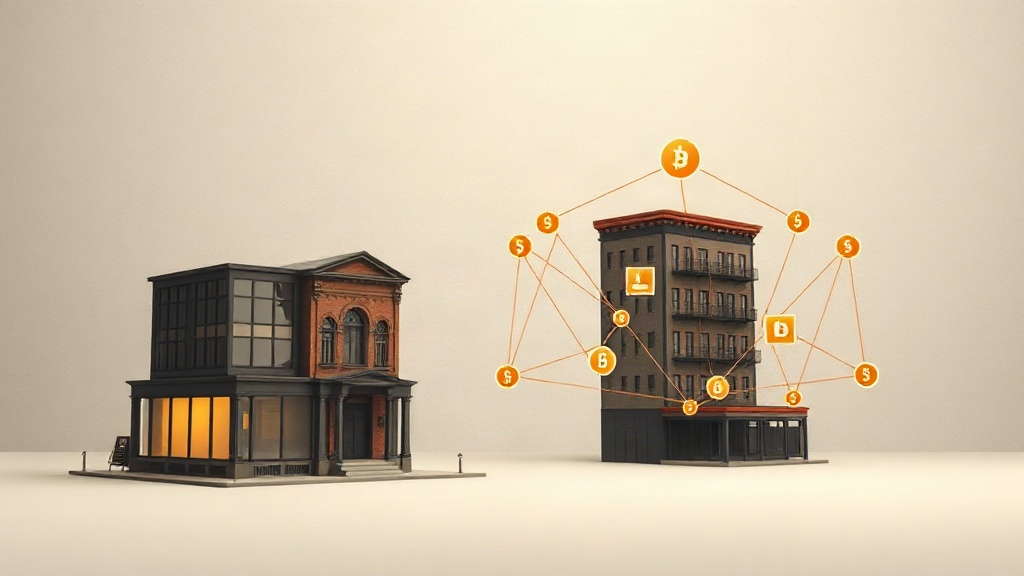
For token holders, ecosystem value capture relies primarily on the fees actually generated by the protocol, the utility of tokens across various tool calls, and the ability of incentive mechanisms to attract active users. However, token upgrade and migration processes are often accompanied by technical complexity and market perception uncertainties, requiring investors to closely monitor official announcements, security audits of smart contract migrations, and shifts in community consensus.
Long-Term Investment Value Assessment and Risk Factors of FACTR
Evaluating whether FACTR is worthy of long-term investment requires a dialectical view of the development macro-landscape of the RWA sector and the inherent risks of small-cap crypto assets. From the perspective of driving factors, the tokenization of real-world assets is widely regarded as a vital channel connecting traditional finance's trillion-dollar market with cryptocurrencies. Through multi-chain deployment (such as supporting major networks like Ethereum, Polygon, and Base) and asset-backed lending infrastructure, Defactor has carved out a specific ecological niche in the sector.
However, long-term investment in FACTR or its upgraded token also faces potential risks that cannot be ignored. The cryptocurrency market and small-to-mid-cap tokens generally exhibit characteristics of violent volatility, and liquidity may face constraints. Changes in the macroeconomic environment, tightening regulatory policies, and the failure of project ecosystem practical implementation and commercial adoption rates to meet expectations could all exert a negative impact on the token's value. Therefore, when considering such assets, investors should fully recognize their high-risk attributes, make prudent decisions based on their own risk tolerance, and keep a close eye on official disclosures regarding token migration and market circulation status.