Tether (USDT), as the stablecoin with the largest issuance and circulation in the cryptocurrency market, performs core functions of pricing, settlement, hedging, and cross-chain fund transfer. Due to its 1:1 peg to the US dollar, investors and institutions often utilize it to hedge against volatile market fluctuations. In practical applications, buying and selling Tether and participating in internet asset transactions typically rely on different types of digital assets trading platforms and fintech applications. Understanding the classification, operational modes, and compliance boundaries of these platforms is crucial for participating in digital asset management.
Centralized Cryptocurrency Exchanges (CEX)
Centralized exchanges are currently the primary internet platforms for buying and selling Tether and mainstream cryptocurrencies. These platforms employ order book matching mechanisms to provide global users with high-liquidity spot trading, derivatives trading, and fiat-to-crypto conversion channels. Representative platforms include Binance, OKX, HTX, and Bitget, among others. On these platforms, users can use web or mobile applications to purchase USDT with USD, EUR, or other local currencies via P2P (peer-to-peer) channels or payment methods such as credit cards, or freely swap it for assets like Bitcoin and Ethereum.
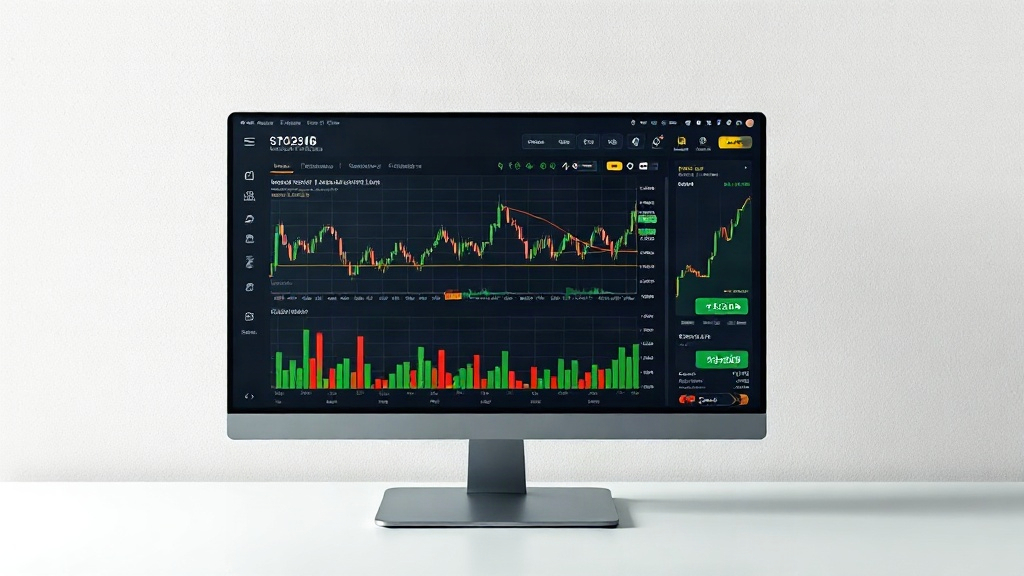
The core advantages of centralized platforms lie in their exceptionally high market depth, smooth user experience, and rich asset management tools. However, their operation relies on centralized custodial services provided by the platform, requiring users to store their assets in exchange wallets. Therefore, a platform's asset reserve transparency, risk control capabilities, and compliance audits (such as periodically published Proof of Reserves, or PoR) are key metrics for evaluating its security.
Compliant and Licensed Digital Asset Trading Platforms
As regulatory frameworks for crypto assets are gradually refined across major global jurisdictions, some internet financial platforms targeting specific regions (such as North America and Europe) have chosen to follow a strictly compliant path. For example, top-tier compliant exchanges such as Coinbase, alongside certain chartered licensed consumer banks or fintech applications, provide users in compliant regions with services for buying and selling USDT or regulated stablecoins under the strict adherence to local anti-money laundering (AML) and know-your-customer (KYC) regulations.
Such platforms are characterized by strict regulatory oversight and robust legal and compliance frameworks, though the types of assets listed, leverage tools, or specific features they offer may be subject to geographic restrictions. For instance, within the European Economic Area, influenced by policies such as the Markets in Crypto-Assets (MiCA) regulation, the operational and listing strategies of certain offshore stablecoins are dynamically adjusted in accordance with regulatory compliance requirements.
Decentralized Exchanges (DEX) and Ecosystem Wallet Integration
In addition to traditional centralized and licensed platforms, decentralized trading platforms (such as Uniswap and other protocols operating on public chains like Ethereum, Solana, or Tron) are also important venues for acquiring and swapping Tether. DEXs do not rely on centralized institutions to custody assets; instead, they achieve direct token swaps through smart contracts and automated market maker (AMM) mechanisms. Furthermore, many mainstream self-custodial crypto wallets (such as MetaMask and Phantom) feature built-in aggregate swap functions, allowing users to directly exchange certain crypto assets for USDT within the wallet interface.
The advantages of DEX and wallet integration solutions lie in users having complete control over their private keys, high sovereignty over assets, and the absence of cumbersome KYC registration processes. However, their limitations are that they do not support direct deposits and purchases using traditional fiat currencies; users must pre-hold gas fee tokens of the relevant public chains along with other crypto assets to complete swaps, while also guarding against smart contract vulnerabilities and phishing risks.
Compliance and Risk Boundaries in Choosing Trading Platforms
When selecting an internet platform to buy and sell Tether, users should thoroughly evaluate the platform's security track record, reserve transparency, liquidity depth, and the laws and regulations of their respective jurisdictions. Regulatory policies across different countries exhibit significant variances regarding the openness of crypto asset trading, with certain regions potentially restricting services from specific offshore exchanges. When conducting asset allocation, investors should choose compliant, transparent, and liquid channels, while continuously monitoring the reserve asset composition and credit status of the stablecoin issuer.