As a crypto asset, WANSUSHI (wanSUSHI) is closely tied to cross-chain and decentralized finance (DeFi) applications within a specific public chain ecosystem. To understand the true nature of this token, one must first strip away market speculation and conduct a systematic analysis based on its underlying protocol, issuance background, liquidity status, and practical use cases.
Definition and Basic Background of WANSUSHI
WANSUSHI is a derivative or cross-chain token asset issued based on the Wanchain ecosystem or related cross-chain bridges and decentralized exchanges (such as WanSwap). Its smart contracts are typically deployed on the Wanchain network, identified by specific contract addresses (such as those starting with 0x9b68). In its early design stages, the token was often intended to bridge asset forms from mainstream public chains or popular DeFi protocols (such as SUSHI) into Wanchain via cross-chain mechanisms, allowing users to stake, farm, or swap tokens within the ecosystem's liquidity pools.
Regarding supply, public market data shows its max supply is capped at 210,000,000 WANSUSHI. However, in sharp contrast to this max supply is its circulating supply and market activity. Across major mainstream market tracking platforms and decentralized data directories, the circulating supply of WANSUSHI often displays as extremely low, zero, or lacks continuous, large-scale on-chain transaction records. This indicates that the asset has failed to establish a healthy tokenomic cycle within the broader public market.
Market Operation Mechanisms and Current Status of WANSUSHI
In terms of operational mechanics, WANSUSHI primarily relies on decentralized exchanges (DEX) and automated market maker (AMM) protocols. Users typically need to trade within specific decentralized trading pairs (such as WANSUSHI paired with WASP or the Wanchain native token). Due to the limited scale of its underlying ecosystem, the liquidity depth for such assets is often quite shallow.
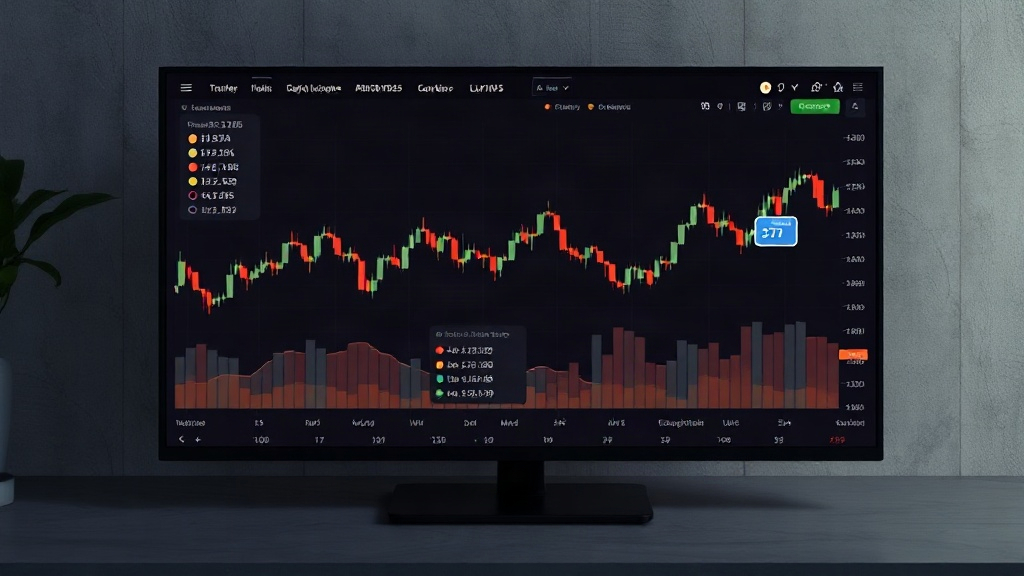
In practical performance, the daily trading heat of this token is extremely low. During certain periods, its 24-hour global trading volume approaches zero, meaning the market lacks continuous buyers and sellers. When on-chain liquidity for a token dries up, even modest buy or sell orders can lead to severe slippage and volatility. Consequently, some market sites flag it as an obscure asset or a project lacking broad market recognition.
Analysis of Future Prospects for WANSUSHI
Evaluating the future prospects of WANSUSHI requires facing its structural limitations and market realities head-on. Given its extremely low market capitalization, the lack of depth support from mainstream centralized exchanges (CEX), and daily trading volumes that remain negligible over long periods, a true market consensus on the value of this asset has not been established.

From external macroeconomic factors, machine prediction models or technical analysis from some aggregator platforms suggest that a bull market cycle in the broader crypto market could produce a brief sentiment spillover effect across all long-tail assets. However, from an endogenous dynamic perspective, its actual growth space heavily relies on whether Wanchain and its related DeFi ecosystem can subsequently achieve substantive technological breakthroughs, ecological recovery, and the landing of real user scenarios. In the absence of continuous development and maintenance, in-depth disclosure of practical use cases (Use Cases), and external capital inflows, its actual price realization and long-term value carry extremely high uncertainty and speculative risk.
For market participants, such obscure tokens often come with exceptionally high realization risks and market friction due to the scarcity of verifiable public data and severe deficiencies in on-chain transparency and liquidity. When observing or engaging with such assets, caution should be maintained, along with a full awareness of their underlying limitations in terms of liquidity drought and lack of substantive backing.