Definition of TKB Coin and Differentiation of Multiple Homonymous Entities
In the cryptocurrency and blockchain ecosystem, assets using "TKB" as their ticker or name are not a single entity; rather, multiple distinct projects share the same name. Such phenomena are relatively common among long-tail crypto assets. According to public market data and blockchain explorer records, "TKB" primarily refers to several different types of tokens: First is TokenBot (TKB), a token deployed on blockchain networks such as Ethereum, built primarily around trading tools or community assistance applications; second is Kingdom Coin (TKB), which is linked to certain specific financial or digital banking ecosystems (such as concepts related to The Kingdom Bank); additionally, across various decentralized exchanges (DEXs), some small gaming projects or decentralized yield farms have named their utility or governance tokens TKB Token.
Due to the existence of multiple homonymous objects, investors encountering, querying, or analyzing "TKB Coin" first face serious identification and attribution confusion issues. The teams, total circulating supplies, smart contract addresses, and use cases behind different projects vary entirely. Failing to perform rigorous cross-verification via official contract addresses makes it extremely easy to lump high-risk micro-memecoins and abandoned projects together with relatively independent utility tokens. Therefore, before evaluating any specific asset named TKB, one must clarify the specific blockchain network it relies on and its actual application entity.
Market Value and Liquidity Status of TKB Coin
According to public data from major mainstream crypto market aggregation platforms (such as Coinbase, Crypto.com, and Coinranking), the vast majority of tokens referred to as TKB face severe liquidity depletion and extremely low market capitalization rankings. Lacking deep support from mainstream central exchanges (CEXs), the 24-hour trading volume of such tokens is often extremely low, sometimes even showing zero turnover or lacking valid public quotes during many periods.
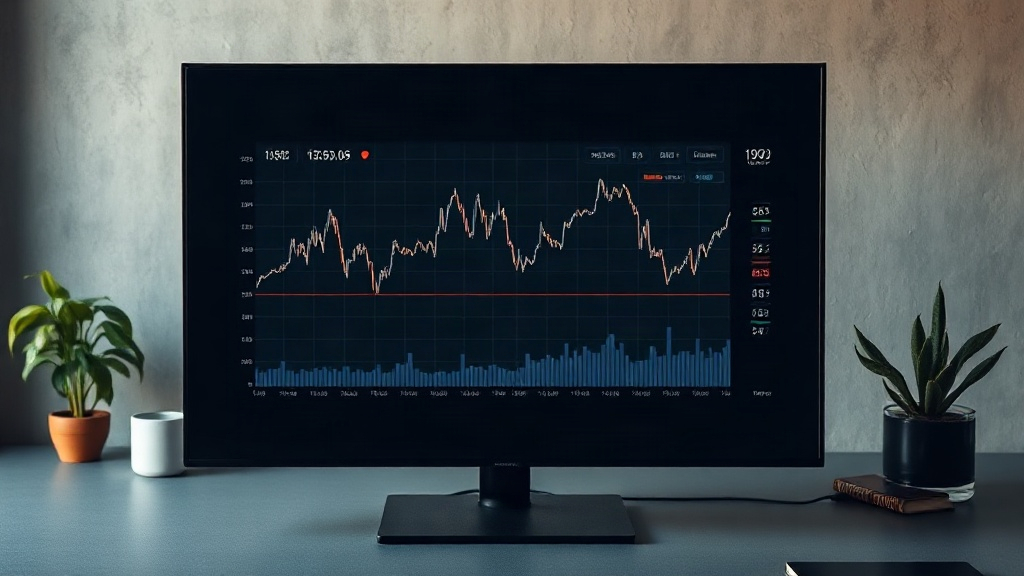
In terms of price performance, due to the lack of sustained buying support and deep market-making mechanisms, the price fluctuations of such assets are typically extremely volatile and often exhibit a long-term downward trend or extremely narrow trading ranges. Extremely low market capitalization and fragmented liquidity pools mean that even relatively small buy or sell orders can cause severe slippage impacts on the token price. This market status indicates that such assets have not established a broad consensus foundation or practical economic loop, and their market valuation remains largely in the stage of extreme speculative gaming.
Is TKB Coin Worth Long-Term Investment?
Regarding the core question of whether "TKB Coin is worth long-term investment," from the perspective of the asset's risk-reward ratio and fundamentals, the answer generally leans toward high caution or even a definitive negative. Long-term investment typically relies on clear underlying economic models, sustained value capture capabilities, transparent governance structures, and a growing user or developer ecosystem. However, for assets like TKB, most of these core elements are severely lacking.

First, due to extremely low official disclosure and transparency, it is difficult for investors to accurately assess its long-term token inflation model, lock-up release mechanisms, and the actual operational progress of the team. Second, small long-tail tokens are often accompanied by an extremely high risk of going to zero. During crypto market cycle transitions, projects lacking substantive application support and liquidity moats are highly susceptible to losing maintenance entirely when the market cools down. Finally, because current purchasing and trading channels fail to be comprehensively and automatically verified reliably, investors attempting to acquire them face not only technical and platform barriers, but also hidden risks of funds failing to exit safely due to protocol vulnerabilities, smart contract risks, or locked liquidity.
General Risks and Limitations of Long-Tail Digital Assets
Taking TKB as a typical observational sample reveals that structural limitations universally exist among long-tail crypto assets. Not all tokens in the crypto market possess the potential to grow into mainstream assets. Many small tokens are accompanied by conceptual hype upon issuance, but as the enthusiasm fades, they quickly fall into obscurity.
The digital asset market as a whole fluctuates violently, and any past price performance or brief market fluctuations must never be used as a reliable indicator of future performance. For assets lacking institutional endorsement, mainstream market liquidity, and highly single application scenarios, blindly allocating long-term capital not only fails to achieve the purpose of capital preservation and appreciation, but also easily traps investors in liquidity traps. In practical participation, prudently evaluating information transparency and staying away from unverified speculative targets are basic principles for preventing systemic risks.