



GLQ (GraphLinq Protocol / GraphLinq Chain) is the native token of the decentralized automation protocol and no-code ecosystem designed for the Web3 and Web2 sectors. As blockchain use cases grow increasingly complex, developers and ordinary users often face high technical barriers when building smart contract interactions, DeFi monitoring, and cross-chain data flows. GraphLinq aims to break down these barriers by offering a no-code integrated development environment (IDE) and engine, allowing users to deploy and automatically execute various on-chain and off-chain tasks by dragging and dropping node graphs without needing to write complex business logic code.
Core Features and No-Code Operational Mechanism of GLQ
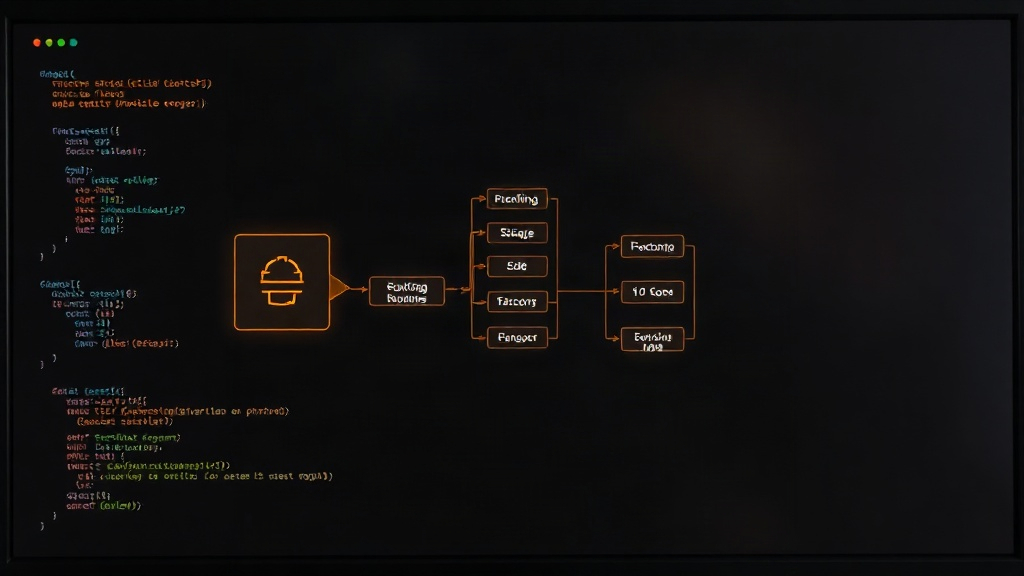
GraphLinq's core objective is to simplify blockchain automation processes through visual graphs. The overall ecosystem primarily consists of three components: the GraphLinq IDE, the GraphLinq Engine, and the GraphLinq Chain. Users select different functional modules through a graphical interface in the IDE to build flowchart-like logic nodes (graphs), which are then submitted to the engine or main chain for execution.
This no-code operational approach significantly reduces the specialized requirements of blockchain development. For instance, retail investors or small teams can leverage the engine to set up automated trading strategies, monitor liquidity pool changes for specific tokens, trigger cross-chain asset transfers, or retrieve real-time on-chain data flows via AI assistants. All automated tasks consume underlying computing resources during background execution, which establishes the utility value of the GLQ token.
Token Utility and Economic Model of GLQ
As the core circulating and fuel asset across the entire ecosystem, the GLQ token fulfills several key responsibilities within the network:
- Paying Execution Fees (Gas Fees): Users must pay GLQ as computational and execution fees when running and deploying graphs on the GraphLinq Engine and main chain.
- Network Staking and Security: The GraphLinq Chain operates on Proof-of-Stake (PoS) or Proof-of-Authority (PoA) mechanisms. Token holders can participate in network validation by staking GLQ, maintaining ledger security while earning corresponding staking rewards.
- Governance Voting: The GLQ token grants holders community governance rights, enabling them to vote on the protocol's future development direction, functional upgrades, and parameter adjustments.
Regarding token deployment and migration, GLQ was initially launched on the Ethereum network as a standard ERC-20 token. With the development of the main chain, it was subsequently migrated to the EVM-compatible GraphLinq Chain to serve as the native gas token, thereby optimizing transaction performance and costs while maintaining cross-chain interoperability.
Detailed Background of the GraphLinq Team
The success of the GraphLinq project is closely tied to the technical background of its core founding team. The project was co-founded by Frederick Mariniño (CEO and Co-Founder) and Nicolas Martins (CTO and Co-Founder), among others.
Frederick Mariniño has a deep background in software engineering and has accumulated years of hands-on experience in the cryptocurrency trading and blockchain infrastructure sectors. Recognizing the scarcity of blockchain automation tools early in the project's lifecycle, he set out to build a bridge connecting traditional software with decentralized networks. Nicolas Martins focuses on software engineering and underlying blockchain architecture design, leading main chain technical development, engine performance optimization, and the implementation of cross-chain interaction protocols. The core team members possess rich experience in underlying blockchain architecture, front-end visual development, and distributed system design. Their shared goal is to lower the barrier to entry for blockchain adoption, enabling a broader range of developers and non-technical users to effortlessly invoke complex on-chain and off-chain data flows using no-code tools and AI assistants.
Trading Channels and Market Participation for GLQ
Users looking to acquire or trade GLQ tokens can do so on platforms that support the asset. Based on current real-time market data and listings, GLQ is primarily circulated across select centralized and decentralized platforms, such as Bilaxy and Uniswap V3 (Ethereum) running on the Ethereum network. Participants should remain mindful of market volatility risks when conducting asset allocations or ecosystem interactions, and ensure they operate through official channels and compliant platforms.
The information regarding listed platforms in the text is subject to dynamic changes as exchanges list and delist assets; please refer to the official announcements of the respective exchanges.









