Prerequisites for Posting Ads on OTCBTC Exchange
To post a buy or sell ad on the OTCBTC exchange, users must first complete a series of foundational preparations to ensure account security and compliance with platform requirements. All users wishing to become makers must have a properly registered OTCBTC account and have completed email verification. Account registration and basic verification are the first steps for engaging in any over-the-counter (OTC) trading interaction.
In addition to basic email verification, depending on the platform's risk management mechanisms and trading limits, posting ads typically also requires completing Know Your Customer (KYC) verification or a higher level of identity authentication. Real-name verification not only effectively prevents malicious fraud and boosts counterparties' trust in you, but it is also a core condition for determining single-transaction limits, daily total trading limits, and the ability to successfully post ads of a specific scale. Users who have not completed the corresponding verifications may face restrictions on ad-posting functionality.
Ad Types and Selection on the OTCBTC Platform
The OTCBTC exchange primarily provides multiple dimensions of ad-listing mechanisms for OTC trading participants, mainly categorized into standard ads and bulk trading ads (block trades). Understanding the differences between these two types helps users choose the appropriate publishing method based on their capital scale and trading strategy.
Standard ads are generally aimed at the broad base of regular registered users, making them suitable for daily digital asset buying and selling needs of low to medium amounts. Users can independently choose to post either "buy" digital currency ads or "sell" digital currency ads, and specify the corresponding fiat currency type. Bulk trading ads are specifically designed for block trade demands, making them suitable for institutions or large-capital holders to conduct more efficient OTC block matching. Different ad types vary in interface entry points, limit settings, and liquidity matching, and users should clarify their trading demands before publishing.
Specific Steps and Mechanisms for Posting Standard Ads
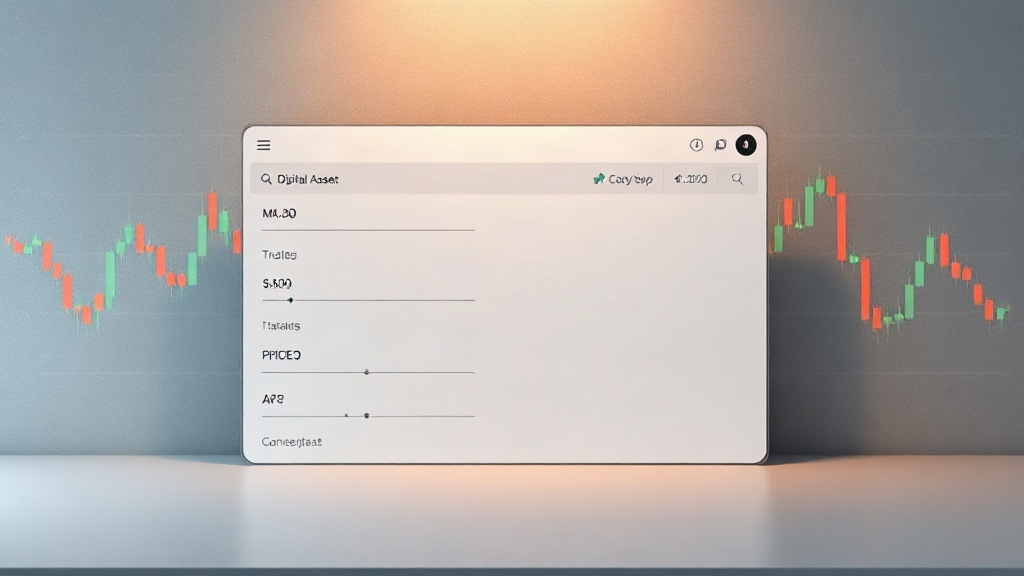
Taking the posting of a standard buy or sell ad on the OTCBTC platform as an example, the operational workflow typically includes several key technical stages. First, users need to log into their account and enter the over-the-counter (OTC) section, finding the ad-posting or listing entry. In the publishing interface, the system will require specifying the asset type, such as choosing the digital currency variety to buy or sell and its corresponding fiat settlement unit.
Regarding price settings, the platform supports flexible pricing mechanisms. Users can choose to anchor market prices from mainstream exchanges (such as market data sources like Coinmarketcap) and set a corresponding premium percentage, or directly set a fixed price. Subsequently, you need to input the trading volume of the ad, the maximum and minimum limits per transaction, supported receipt or payment methods (such as bank cards, third-party payments, etc.), and fill in clear trading terms and remarks. After verifying that everything is correct, click submit to publish, and the ad will be displayed in real time in the platform's trading hall waiting for matching.
Workflow for Posting Bulk Trading Ads (Block Trades)
For users with large capital exchange demands, OTCBTC provides a dedicated bulk trading ad-posting channel. During operation, users need to enter the "Post Bulk Trading Ads" page under the "OTC" menu. Similar to standard ads, block ads also require entering accurate trading quantities, target prices, detailed contact information, and trading time windows.
Since block trades involve a larger volume of capital, it is recommended to specify stricter identity verification requirements and offline or large-transfer confirmation mechanisms in the trading terms when posting such ads. After submitting a bulk trading ad, the system will independently display it in the block trading zone for qualified professional traders or high-net-worth users to connect and match, thereby reducing the impact on the public spot market prices and improving the efficiency of large-volume execution.