Basic Positioning of CTY Token and the Custodiy Platform Ecosystem
CTY token (Custodiy Token) generally refers to the native utility token of the Custodiy ecosystem. Custodiy is a digital asset management and smart contract creation platform focused on the Web3 sector, designed to provide technical support for asset transfer, document archiving, and multi-chain contract execution in decentralized environments. Within the platform, CTY is not merely a speculative asset, but also serves utility functions such as paying for smart contract creation fees, settling platform services, and participating in specific ecosystem interactions. By integrating mainstream Layer-1 blockchains such as BNB Chain and Ethereum, the platform attempts to meet users' demands for asset custody and smart contract signing in multi-chain environments.
From a design perspective, the value of a utility token depends largely on the activity level of the underlying application scenarios and the scale of demand from real platform users. When an increasing number of smart contracts are created and executed on the Custodiy platform and must be settled via CTY, the on-chain utility of the token theoretically increases. However, if the overall adoption rate of the platform ecosystem remains low, its support for actual demand can easily face challenges.
Market Impact of Contract Migration and Version Evolution
In the digital assets market, the migration and upgrade of smart contracts is a complex operation with far-reaching impacts on liquidity. According to public announcements and on-chain records, the CTY token has undergone multiple rounds of smart contract migrations and upgrades (such as the migration to a new contract address on BNB Chain: 0xE50c9Dae2B8cfE5224C1A4096a0959f8ca975dF2). Such operations are typically conducted to fix vulnerabilities in earlier contracts, optimize tokenomics, or adapt to new multi-chain architectures.
However, frequent contract migrations often bring the side effect of asset fragmentation. Multiple historical versions (such as Old versions, v1 versions, or v3 versions) frequently coexist in the market, which not only easily causes cognitive confusion among retail investors, but also results in liquidity bifurcation across major decentralized exchanges (DEXs) and aggregators. If older versions of tokens fail to complete official-approved swaps in a timely manner, they may completely lose liquidity and economic value, whereas new versions need to rebuild market consensus and trading depth.

Transparency Gaps in Market Liquidity and Price Data
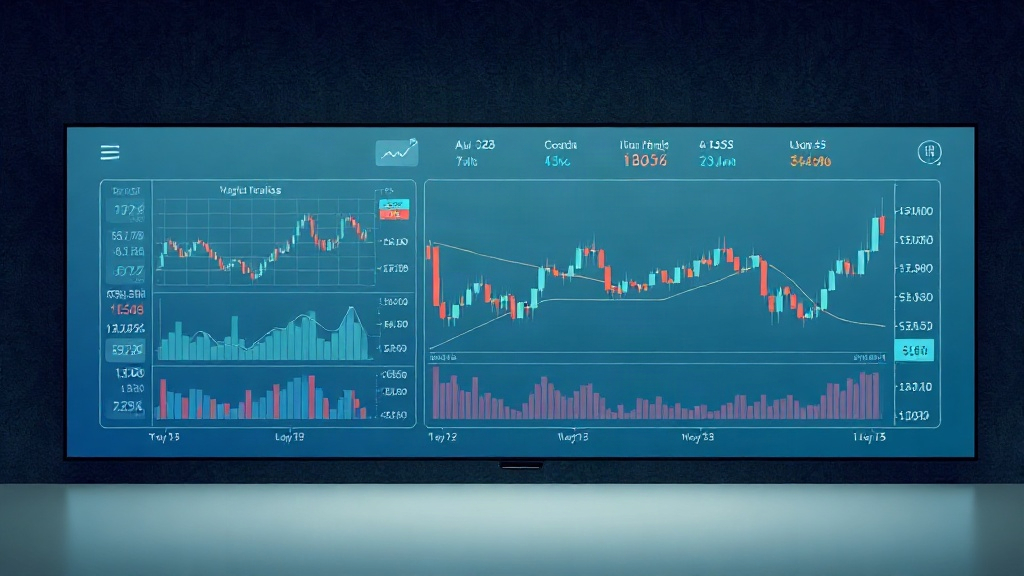
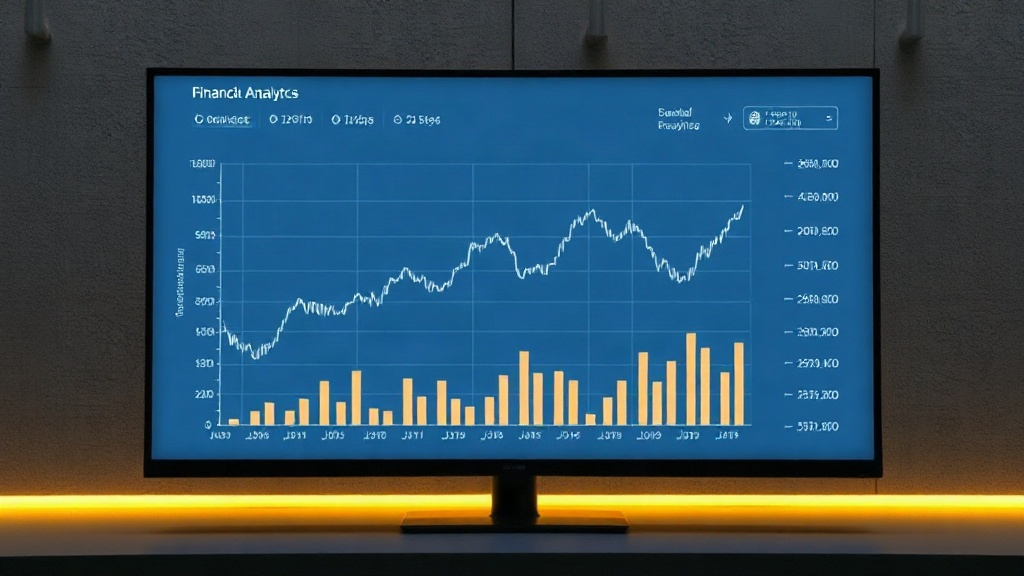
Assessing the true value of any digital asset relies on adequate and transparent open-market data. However, for CTY, major mainstream crypto aggregators (such as CoinMarketCap, Coinbase, etc.) and crypto data tracking websites frequently face incomplete data coverage, missing circulating supplies, and extremely low or even zero 24-hour trading volumes. On some platforms, market capitalization falling to zero or prolonged stagnation in price quotes may also occur.
This liquidity-dry-up condition means that when holders attempt to buy or sell sizable amounts of CTY tokens in the open market, they often encounter extremely high slippage risks or fail to execute trades altogether. Extreme price fragmentation and a lack of depth prevent public quotes from truly reflecting its intrinsic value. In the absence of a sustained and healthy two-way trading market, any localized price fluctuations can be magnified or even dominated by the capital activities of individual addresses.

Is CTY Worthy of Long-Term Investment?
Considering its practical applications, contract history, and market performance collectively, CTY currently lacks the robust foundation suited for long-term investment in the traditional sense. The long-term investment value of an asset typically relies on a clear business model, continuously growing real demand, highly transparent and healthy financial or on-chain data, and deep market liquidity support. In all these dimensions, CTY exhibits significant uncertainties:
- Extremely High Liquidity Risk: Due to severely insufficient trading depth across mainstream and niche exchanges, investors face a liquidity trap where it is "easy to buy but difficult to cash out."
- Uncertainty in Ecosystem Adoption Rate: Within the fiercely competitive Web3 multi-chain asset management track, Custodiy's market share and active user scale remain relatively limited, failing to generate a strong network effect for the token's utility value.
- Historical Baggage from Contract Migrations: The coexistence of multiple versions and historical contract changes increases the complexity of asset management and the risk of operational errors.
In summary, CTY leans more toward a high-risk, niche digital asset. For retail investors, blindly engaging in long-term allocation or large capital deployment carries extremely high risks of principal loss prior to the availability of sufficient and transparent long-term value support data. Market participants should remain prudent and fully aware of the high volatility and potential limitations associated with niche DEX assets.