



Project Background and Core Positioning of XKR
XKR (Kryptokrona) is a decentralized payment and communication system project rooted in the Nordic region, with its core original intention being an open-source alternative to the digital e-krona. The project not only attempts to build a pure digital cryptocurrency, but also hopes to combine decentralized communication functions with a payment network. In terms of underlying architecture, XKR is based on the CryptoNightTurtle algorithm, supporting ordinary users in mining via CPU, which reflects the early cryptocurrency community's pursuit of decentralization and resistance to ASIC miner monopolies. In addition, distributed communication tools such as Hugin Messenger and exclusive wallets such as Aesir Wallet have been developed around this ecosystem, attempting to establish a synergistic effect between privacy communication and payment scenarios.
Economic Model and Market Performance of XKR
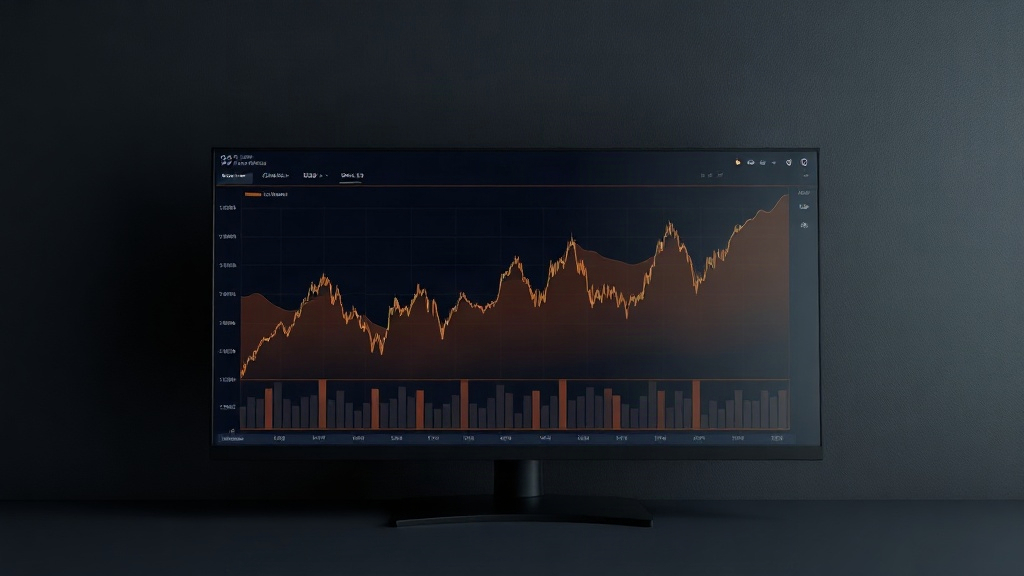
From the perspective of tokenomics, XKR has a maximum supply set at 1 billion tokens, with a current circulating supply of approximately 608 million tokens. However, in terms of market performance, its market capitalization has long remained at an extremely low level, typically fluctuating between tens of thousands and hundreds of thousands of dollars. In terms of price action, XKR's historical prices have exhibited extreme volatility and distinct marginalized characteristics. Despite experiencing phased price fluctuations during specific historical stages (such as mid-2024), its overall trading volume is extremely low, and daily trading volumes close to zero frequently occur. This indicates that the asset has failed to gain sustained capital attention and widespread consensus support in the broader cryptocurrency market.
Analysis of Liquidity Constraints and Trading Status
Liquidity is a key indicator for evaluating the market health of any crypto asset. For XKR, severe liquidity constraints are one of the core practical challenges it faces. Due to the lack of support from mainstream large-scale cryptocurrency exchanges, XKR is currently traded through limited matching via BTC trading pairs on a very small number of minor platforms (such as FreiExchange). The single and narrow nature of this trading channel directly leads to an extreme scarcity of market depth. In a market environment with dried-up liquidity, large buy and sell orders can easily trigger drastic price slippage, meaning any participant wishing to quickly build or clear positions will face enormous execution risks.
This coin is relatively obscure, with limited verifiable data, and some data in the text may have discrepancies, serving for reference only. Among currently available trading channels, if investors attempt to acquire this asset, they must face extremely limited liquidity support, and should independently verify the latest listing status and compliance of relevant platforms prior to trading.
Is XKR Worth Investing in for the Long Term?
Judging from the project's fundamentals, technological evolution, market scale, and liquidity conditions, XKR does not possess long-term stable investment value in the traditional sense or at the mainstream institutional level. First, the project has an extremely small market capitalization and lacks endorsements from traditional venture capital institutions or broad ecosystem capital, making its ability to withstand macroeconomic market fluctuations and black swan events extremely fragile. Second, although it possesses certain geek culture characteristics in terms of privacy communication and CPU mining, in the highly competitive modern crypto asset market, it lacks sustained developer ecosystem activity and killer application scenarios. Third-party analysis platforms and public market risk assessments generally classify it as a high-risk asset. Therefore, for average investors seeking a margin of safety and stable returns, treating it as a long-term investment target typically entails extremely high risks of capital going to zero and an inability to cash out, driven by liquidity risks, extremely low market consensus, and uncertain subsequent maintenance status.









