Historical Background and Core Definition of FuturoCoin
In the history of cryptocurrency development, the term "FuturoCoin" primarily refers to FuturoCoin (FTO), which attracted significant attention in its early days, while some early assets like NXT were also translated as FuturoCoin at times. Among them, projects represented by FuturoCoin left a unique historical trajectory in the cryptocurrency sector due to their deep binding with multi-level marketing (MLM) and specific network ecosystems (such as FutureNet). Understanding the performance of such assets first requires clarifying their operational models and technological ecosystem positioning at inception; they often borrowed the concept of blockchain, but their business operations differed fundamentally from mainstream public chains.
Why Has FuturoCoin Kept Falling?
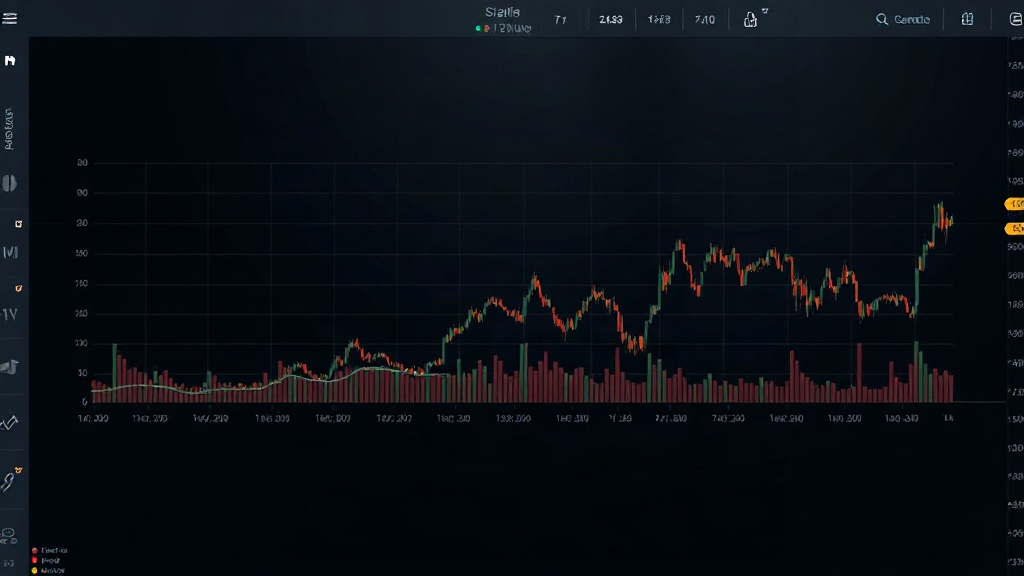
The price volatility of crypto assets is jointly influenced by macro markets, liquidity, and project fundamentals. However, for certain altcoins or historically controversial projects, the root cause of persistent declines or even heading toward zero lies in their endogenous risks and unsustainable business models. First, the project life cycle and the essence of Ponzi schemes are core factors determining their price trends. Many early altcoins heavily relied on MLM-style marketing tactics such as "cloud mining packages," recruitment incentives, and matrix fission, attracting incremental capital through high static and dynamic rebates. When market enthusiasm wanes and incoming funds fail to cover the massive redemption pressure, selling pressure amplifies sharply, leading to cliff-like price drops or prolonged downward trends.
Second, the lack of a real ecosystem and use-case support accelerated the bursting of their value. Mainstream crypto assets like Bitcoin and Ethereum possess massive macro consensus, miner networks, DeFi ecosystems, or smart contract application scenarios. In contrast, such projects lacked genuine commercial implementation and technological iteration, with their token utility often confined to internal ecosystem consumption or exchange. Once the operators pulled liquidity or community enthusiasm faded, the secondary market lost buyers, and prices naturally trended downward all the way.
Finally, from a macro and market environment perspective, when the cryptocurrency market as a whole experiences macro liquidity tightening or a decline in risk appetite, peripheral assets lacking risk-resistance capabilities bear the brunt, and capital accelerates its flight, further squeezing their survival space.
How to Acquire FuturoCoin?
When understanding the ways to acquire it, one must distinguish between historical operational mechanisms and current realities. During its active period, users primarily acquired FTO through the following methods: first, purchasing cloud mining packages, where users paid specific fees to platforms to obtain so-called mining qualifications lasting several years; second, participating in promotion and fission rewards, earning token rewards by developing downlines, building "friend tree" matrices, or participating in the platform's advertising programs.
However, from the perspective of current status and acquisition gaps, as such projects faced collapses and mainstream exchanges or compliant market platforms delisted or stopped tracking them, there are no longer standardized, mainstream official acquisition channels or healthy secondary market liquidity in the public market. Due to the lack of reliable trading depth and conversion channels, blindly searching for unofficial channels to acquire or participate in such assets often entails extremely high financial and legal risks.