Project Background and Core Mechanisms of INUS Coin
INUS Coin (MultiPlanetary Inus) is the native token of the cryptocurrency project of the same name. From the underlying logic of its project design, it aims to explore a route that integrates multiple popular concepts. Specifically, in its early planning, the project attempted to cross-integrate Play-to-Earn (P2E) gaming mechanisms, artificial intelligence (AI) technology, and top-tier Meme coin community culture (such as Shiba Inu and Floki Inu) to build a massively multiplayer online role-playing game (MMORPG) metaverse. Its core vision is to endow Meme tokens, which originally leaned toward speculative attributes, with more utility and in-ecosystem consumption scenarios by constructing gaming scenarios and real-world applications.
Regarding its operational mechanics, the project originally planned to allow players to earn token rewards in the metaverse by participating in battles, exploration, and interaction, while utilizing AI technology to enhance in-game NPC performance or dynamic experiences. However, judging from the actual development trajectory of the blockchain industry, projects of this nature—which prioritize concepts and forcibly combine multiple high-threshold technologies (such as complex MMORPG development and real-time AI interaction) with Meme culture—typically place extremely high demands on the technical strength of the development team, continuous capital investment, and strong early community cohesion. In the absence of continuous capital injection and substantive product delivery, grand whitepaper plans are prone to remaining merely at the conceptual stage.
Market Performance and Current Status of INUS Coin
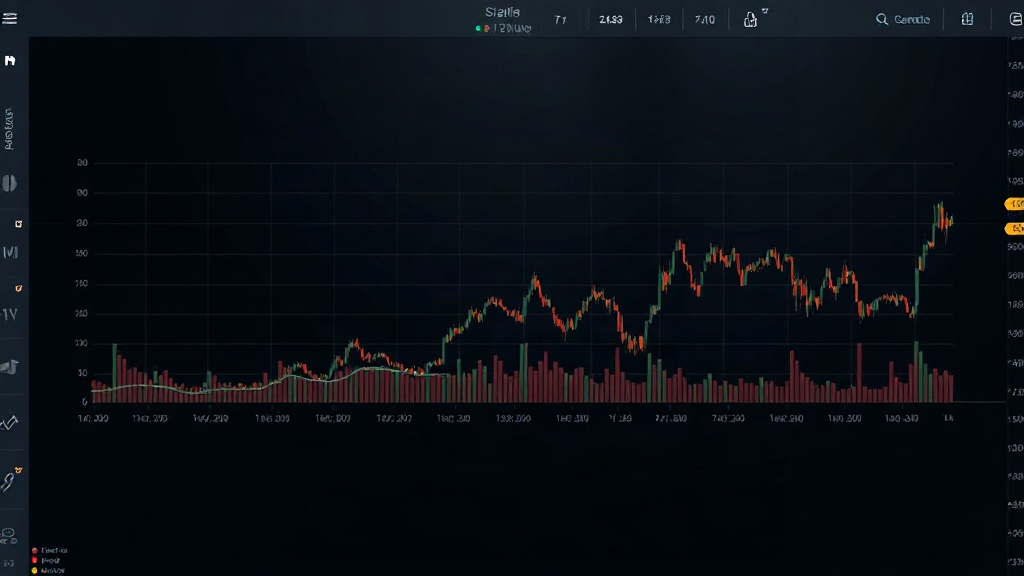
Judging from market performance and on-chain data, INUS Coin has long remained on the fringes of the cryptocurrency market. According to historical and real-time records from mainstream crypto asset aggregators such as CoinMarketCap and CoinGecko, the token's market capitalization has lingered at extremely low levels for a long time, ranking well beyond the top 5,000, making it a typical long-tail crypto asset. In terms of trading depth, its 24-hour trading volume approaches zero or remains in an extreme state of contraction across most monitoring nodes, meaning that there are virtually no active buyers and sellers in the market to support its price discovery mechanism.
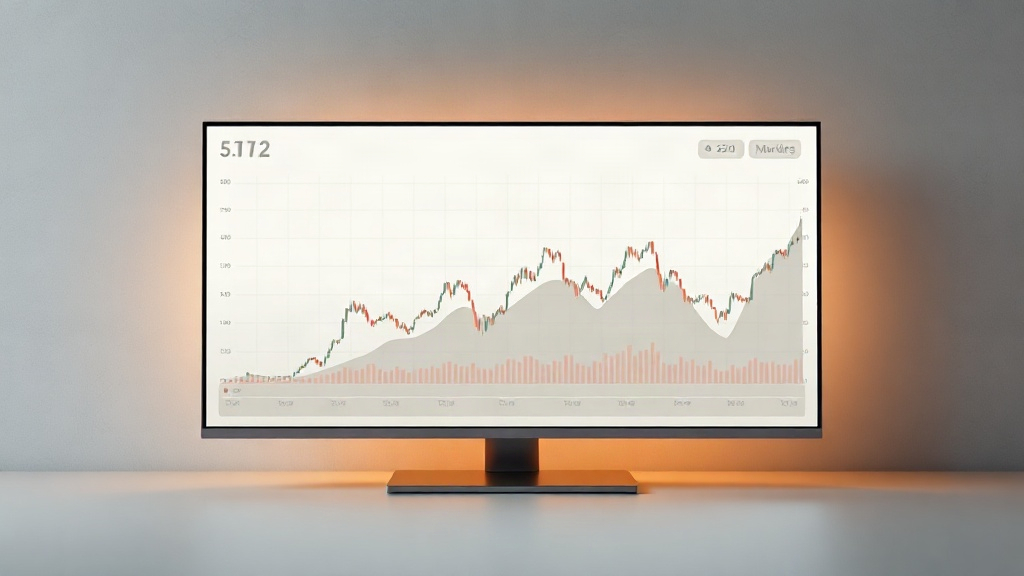
The causes of this situation are relatively diverse. On the one hand, the crypto market exhibits a relatively low tolerance for projects that fail to deliver on their roadmaps on time in their early stages, experience delays in game beta delivery, or lag in establishing a genuine user base. On the other hand, as market capital concentrates toward top-tier assets and compliant sectors, the liquidity depletion of long-tail Meme derivative projects is widespread. Across most decentralized or centralized trading channels, INUS Coin faces practical dilemmas such as stagnant trading pairs, extremely high slippage, and difficulties in cashing out. For retail participants, extremely poor liquidity implies that entering and exiting the market incurs massive frictional costs or results in complete inability to execute trades.
Analysis of Future Development Prospects for INUS Coin
Assessing the future development prospects of INUS Coin requires a comprehensive evaluation from both macro-environmental and project fundamental dimensions. From the perspective of macroeconomic and regulatory trends, cryptocurrency regulation worldwide is tightening increasingly, and market capital is becoming ever more cautious toward speculative tokens that lack substantive business support and rely solely on conceptual hype. Under such an industry ecosystem, small long-tail projects whose survival space is squeezed will find it extremely difficult to achieve a turnaround against the trend.
From the perspective of the project's own fundamentals, due to its long-delayed ecosystem progress, its core gaming products' failure to form a genuinely attractive and sustainable user base, and its dried-up on-chain liquidity, there is a massive gap regarding whether it can fulfill its early roadmap plans in the future. Although the combination of P2E and AI depicted in the whitepaper possesses a certain degree of imaginative potential, in the absence of sustained funding, unclear activity levels of the technical team, and gradually dissipating market consensus, its future survival risks and uncertainties are exceptionally high. This token is relatively niche, with limited verifiable information, and some data in this article may have discrepancies; it is provided for reference only.