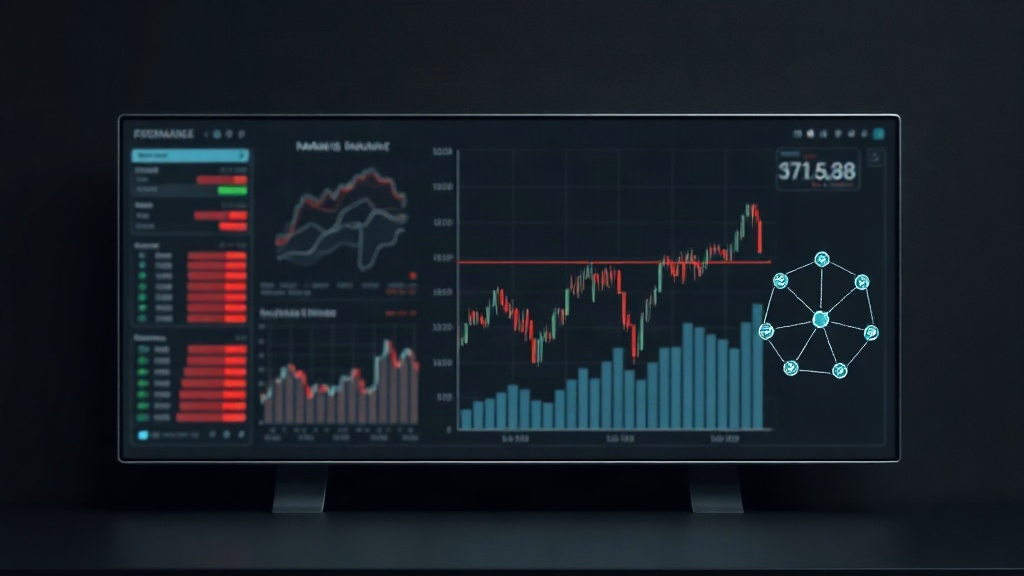
Basic Positioning and Core Functions of CIX100
Cryptoindex 100 (CIX100) is an ERC-20 standard cryptocurrency project previously built on the Ethereum platform, developed by Malta-registered Cryptoindex Limited. The project's core objective was not to issue an independent general-purpose payment currency, but rather to serve as a utility token for the crypto index platform of the same name, "Cryptoindex." The platform aimed to provide investors with a cryptocurrency market barometer—similar to standard indices in traditional financial markets—designed to track and reflect the overall market performance of the top 100 cryptocurrencies globally.
In terms of mechanism design, the CIX100 index claimed to introduce a neural network algorithm named "Zorax." This algorithm was said to comprehensively analyze over 200 different market factors, covering multiple dimensions such as trading volume, price volatility, social media discussion buzz, and GitHub code commit activity. Through a programmatic monthly rebalancing mechanism, it dynamically adjusted the index constituents in an attempt to filter out market noise and junk projects, thereby providing users with a more objective market reference view.
As an essential component of the platform ecosystem, the utility of the CIX100 token focused primarily on access rights and fee settlement. Token holders could use the token to pay for access to in-depth analysis data and advanced historical reports on the Cryptoindex platform, enjoying a certain percentage discount (such as 50%) when paying. Additionally, in the project's later roadmap stages, the token was conceptualized as a settlement and interaction medium within authorized crypto-asset investment management funds.
Current Status and Market Performance of CIX100
Despite leveraging the concept of combining artificial intelligence with crypto indices, judging by its current actual market performance and project lifecycle, CIX100 is in a state of complete cessation of operations and inactivity. Its official website and core services have become defunct, and the vast majority of mainstream cryptocurrency exchanges and market data platforms have delisted its trading pairs, with market liquidity and daily trading volume approaching zero for an extended period.
In the cryptocurrency market, utility tokens like CIX100 that entered the market early through specific algorithms and conceptual angles are highly dependent on the platform's sustained operations, ecosystem partnerships, and community activity. Once the development entity behind the project stops maintenance, the official frontend goes offline, and liquidity support is lost, the token loses the utility scenarios for which it was originally designed. Lacking continuous technological iteration and market support, the actual value and monetization channels of such assets also vanish accordingly.
Assessment of Future Development Prospects for CIX100
Taking into account the current project status, market liquidity, and the shutdown of the official ecosystem, CIX100 no longer holds substantial future development prospects. For the crypto asset market, this project has evolved into a typical early-stage failure case. Its trajectory demonstrates that projects relying solely on innovative algorithmic concepts or index-tracking positioning—if unable to establish a self-sustaining ecosystem under practical commercial implementation, continuous capital injection, and strict compliance frameworks—are highly susceptible to being eliminated in market competition and industry cycles.
From the perspective of investors and observers, facing niche or dead-coin assets that lack active trading, official maintenance, and a functional underlying ecosystem, a high degree of prudence and rationality should be maintained. One must recognize the limitations of such assets in failing to deliver their originally designed functions, thereby avoiding unrealistic expectations driven by historical concepts or outdated promotions.