



Current Market Performance and Price Overview of XRP
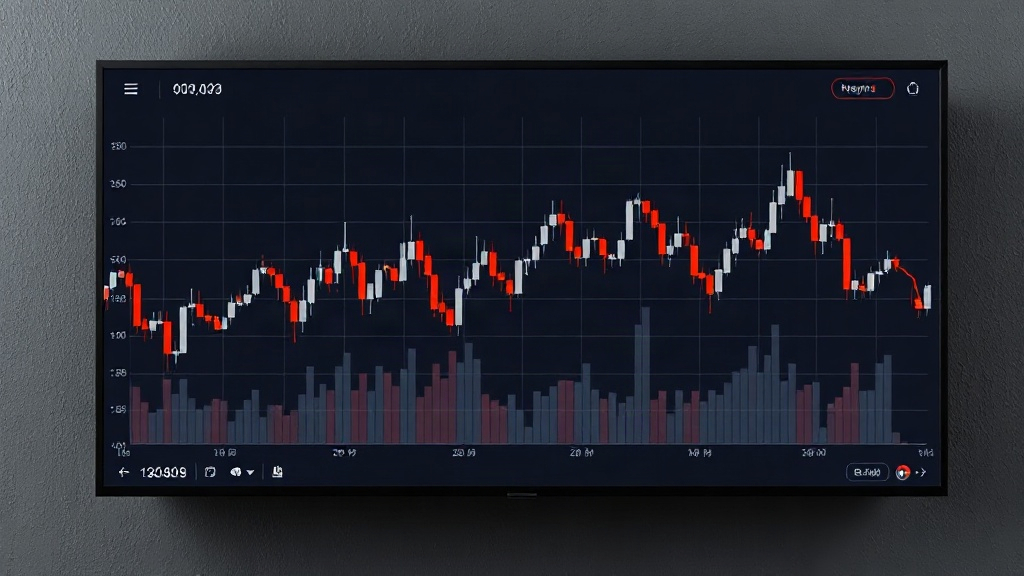
To evaluate whether XRP (XRP) is worth holding for the long term, one must first understand its recent market performance and price range. As of late November 2026, XRP's market price fluctuates within the $0.91 to $0.98 range. Compared to its all-time high of approximately $3.65 to $3.66 reached around July 2025, the current price has pulled back by over 70%. This price volatility reflects the high-risk and cyclical characteristics of the cryptocurrency market, while also indicating that asset prices are currently in a re-balancing phase of market sentiment and macro supply-demand following historical highs.
When examining the price drawdown, investors should not look merely at the absolute price level, but rather make a comprehensive judgment by incorporating its market capitalization, liquidity conditions, and overall capital flows in the macro cryptocurrency market. The short-term trend of digital assets is often influenced by market sentiment, macro liquidity, and derivatives market liquidations; therefore, understanding the cyclical context of its price fluctuations is the first step in making long-term investment decisions.
Fundamentals and Application Progress Supporting XRP's Long-Term Value
From a fundamental perspective, XRP has achieved a series of substantial advancements in recent years regarding legal compliance, institutional products, and the cross-border payment ecosystem. First, on the legal and regulatory front, the U.S. Securities and Exchange Commission (SEC)'s lawsuit against Ripple reached a crucial judicial ruling in August 2025, explicitly ruling that XRP does not constitute a security when traded on secondary markets through public exchanges. This ruling eliminated the major regulatory uncertainty that had long hung over XRP, paving the way for its institutional adoption in the U.S. market.
Secondly, regarding institutional products and capital inflows, several U.S. spot XRP ETFs (such as products launched by Bitwise and other institutions) have been approved successively and put into operation. The emergence of these compliant financial instruments provides traditional financial institutions and compliant capital with a direct channel to allocate XRP. Although its assets under management will fluctuate with the overall cryptocurrency market trends, in the long run, it enhances the asset's liquidity and market recognition.
In terms of practical applications and technological evolution, Ripple's cross-border payment network (RippleNet and related technologies) has been explored or adopted by over 100 financial institutions and select banks globally. In addition, the Ripple ecosystem continues to expand its technological boundaries, such as launching the USD stablecoin RLUSD and advancing the development of EVM-compatible sidechains. These initiatives aim to extend XRP's use cases from a single cross-border settlement to the broader decentralized finance (DeFi) space, enhancing the intrinsic vitality of its ecosystem.
Main Risks and Uncertainties Faced in Long-Term XRP Holdings
Despite multiple bullish factors and fundamental supports, holding XRP for the long term still faces risks and potential challenges that cannot be ignored. The primary risk stems from its token supply mechanism. Ripple has long periodically released XRP on a monthly basis via escrow accounts, a mechanism that causes the circulating supply to increase year after year (with an annualized growth rate of approximately 5.4%). Continuous token releases pose potential dilution and selling pressure on long-term prices; if the growth rate of market demand fails to keep pace with the supply release rate, upside price potential may be constrained.
Secondly, the macroeconomic environment and overall cryptocurrency market sentiment have a decisive impact on XRP's performance. Macro liquidity tightening, interest rate changes, and net ETF capital outflows could all suppress asset prices in the short term or even medium to long term. Moreover, although the number of financial institution partnerships on paper is relatively large, a certain expectation gap still exists between actual token circulation and direct institutional use. Some banks and institutions may not yet extensively and directly use the XRP token itself in settlements during technology testing phases, which means the conversion efficiency of its practical use cases requires the test of time.
Channels for Purchasing XRP and Investment Advice
For investors looking to participate in XRP trading, it is essential to choose compliant and operationally robust platforms. Current mainstream market tracking and trading platforms include Upbit, Paribu, MEXC, Gate, Bybit, KuCoin, XT.COM, Azbit, Indodax, HTX, Swop.Fi, WX Network, and Coinone, among others. When allocating assets through these channels, investors should strictly evaluate their own risk tolerance and avoid blindly chasing highs or being driven by short-term market sentiment.
Overall, as an established asset with a long history in the cryptocurrency market, XRP's improved regulatory environment and the landing of institutional products have laid the foundation for its long-term development. However, the inflationary pressure brought by supply releases and the lengthy cycle of practical application adoption remain challenges that investors must face rationally. Prudently assessing one's investment cycle and asset allocation ratio is the reasonable approach to dealing with the uncertainties of the crypto market.
Platform availability information in the text dynamically changes with exchange listings and delistings; please refer to official exchange announcements.









