DRAC Exchange Listing Status
For cryptocurrency assets, listing on mainstream centralized exchanges (CEX) typically implies higher liquidity and easier fiat gateways. However, according to data from current mainstream cryptocurrency market aggregation platforms and official support documentation, DRAC Network (DRAC) has not yet been officially listed on major centralized exchanges (such as Binance Spot).
This means users cannot directly buy or sell the token by entering its ticker in the spot market within regular centralized exchanges. The token lacks direct fiat trading pairs or major coin trading pairs in the spot listings of major CEXs. The vast majority of its liquidity and trading activity relies on decentralized exchange (DEX) protocols, which is also the core premise for understanding its trading pathways.
How to Buy and Trade DRAC
Due to the absence of mainstream CEXs, users typically need to buy, sell, or trade DRAC through decentralized methods. This process primarily relies on Web3-enabled decentralized wallets, utilizing built-in DEX aggregation tools or directly connecting to a decentralized exchange to execute token swaps.
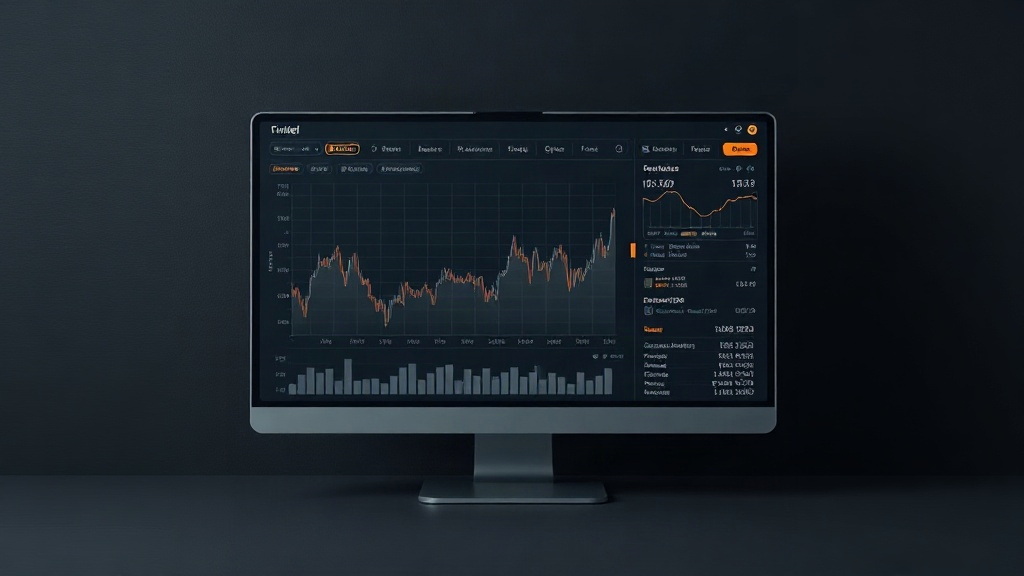
The specific trading mechanism and general workflow typically involve several key steps and prerequisites: First, users need to prepare a Web3-compatible crypto wallet and deposit assets to serve as the base currency (such as major stablecoins like USDT, USDC, or the network's native asset). Second, since all on-chain operations consume gas fees, users must reserve the native token of the corresponding blockchain network (such as ETH) in their wallet as network transaction fees; otherwise, transactions cannot be processed on-chain.
After completing wallet preparation and funding, users can search for the target token via the DEX aggregation feature of a Web3 wallet, enter the swap amount, confirm the slippage tolerance and network gas fees, and sign the smart contract transaction. Once the transaction is confirmed, the tokens will be deposited directly into the user's self-custody wallet.
Conditions and Limitations for Participating in Decentralized Trading
Although buying and selling DRAC through decentralized channels bypasses the review and listing thresholds of centralized exchanges, it also comes with specific conditions and limitations. Self-custody wallets and decentralized trading require users to have a certain level of basic on-chain operational knowledge and to properly safeguard their private keys and seed phrases on their own. Once an error occurs during operations—such as transferring to the wrong network or falling for a phishing link—assets cannot be recovered, and centralized institutions cannot assist in freezing or retrieving them.
In addition, because its liquidity is mainly distributed across decentralized trading pairs, market depth may be relatively thin, and large buy or sell orders can easily generate significant price slippage. Investors should fully recognize the irreversibility of on-chain transactions and the potential risks brought about by market liquidity fluctuations when participating in such asset trading, and prudently assess their own risk tolerance.