Core Functions and Integration Architecture of Crypto Trading Apps
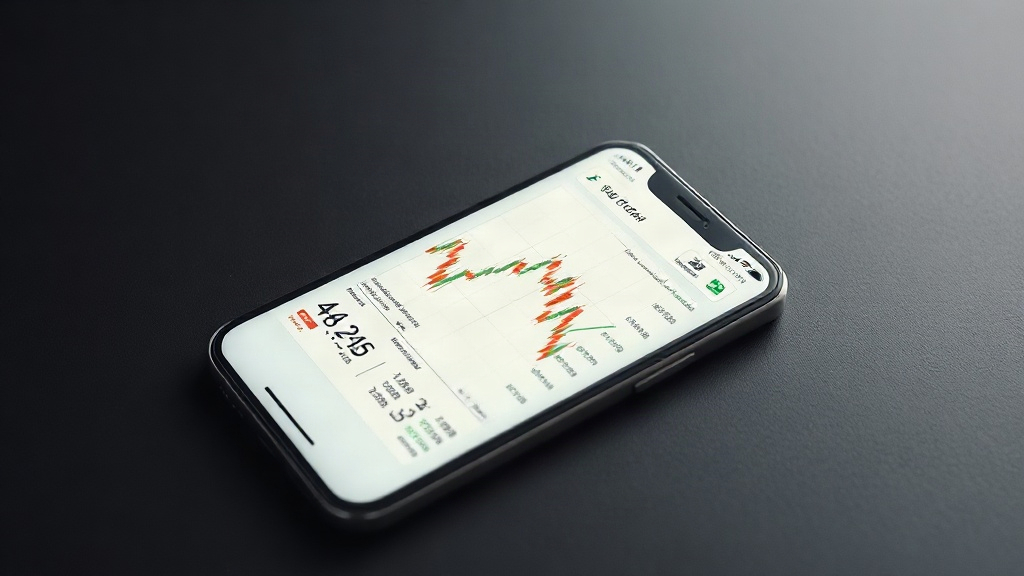
Modern cryptocurrency trading platform applications (such as Binance, OKX, Gate.io, etc.) have evolved from single order-matching interfaces into integrated digital assets management terminals. Such software typically consolidates spot trading, derivatives contracts, digital asset storage (built-in wallet), as well as fast fiat-on-ramp and transfer channels into a single package. Within the spot trading module, the app provides real-time candlestick charts, order books, and various order types such as market orders and limit orders, allowing users to buy and sell assets at immediate market prices or preset prices. The derivatives contract sector introduces leverage and perpetual contract mechanisms, enabling users to engage in long and short dual-direction trading within controllable or tolerable risk ranges. In addition, the built-in digital asset wallet feature supports the receiving, sending, and management of multi-chain assets, while the fast fiat channel partners with third-party payment service providers to allow users to directly purchase mainstream crypto assets using fiat currency or conduct compliant transfers.
Security and Compliance Mechanisms: The Core Defense Line Safeguarding Assets
Due to the high degree of decentralization and irreversibility of digital assets, leading cryptocurrency trading apps have deployed multiple defense systems in their security and compliance design. First is Proof of Reserves (PoR for short), with many mainstream platforms regularly adopting cryptographic Merkle Tree structures to prove to users that their asset reserves are 1:1 backed, ensuring that platform funds are not misappropriated. Second, regarding asset storage, platforms generally adopt hot and cold wallet isolation technology, storing the vast majority of user assets in cold wallets physically isolated from the internet, while retaining only a small portion of hot wallets for daily withdrawal needs. On the user access end, a strict KYC (Know Your Customer) identity verification mechanism forms the foundation of compliance. Combined with two-factor authentication (2FA), anti-phishing codes, and AI-based risk monitoring systems, platforms can effectively intercept abnormal login and suspicious withdrawal requests, safeguarding users' funds and account security.

Cryptocurrency Trading Simulators: Learning Tools in a Risk-Free Environment
For beginners or investors wishing to test new strategies, directly participating in real-money markets often entails high trial-and-error costs. Therefore, cryptocurrency trading simulators (such as Crypto Trading Simulator) dedicated to learning and practicing have emerged in the market. Such applications typically simulate real market trends and price fluctuations, but use virtual initial funds (such as test coins) for simulated buying and selling. Through a simulator, users can familiarize themselves with order types, study technical analysis indicators, test asset allocation strategies, and understand the liquidation mechanisms of leveraged trading in an environment without real financial risks. However, simulators also have certain limitations: due to the lack of real market psychological pressure and liquidity slippage impact, users' profit performance in a simulated environment is often difficult to directly replicate in real live-market trading.