Core Definition and Background of OPCT
OPCT (Opacity Token) is the native utility token of Opacity, a decentralized privacy cloud storage platform. The project originally evolved from Oyster Protocol (PRL) through a hard fork in late 2018. The core design philosophy of the Opacity platform is to provide users with completely anonymous cloud data storage services that require no personal identity verification (KYC). Users typically need to use the OPCT token as a medium when purchasing and paying for storage space on the platform. Featuring zero-knowledge privacy protection as its main selling point, the platform does not require users to provide any identifiable information such as names or email addresses, instead managing and recovering accounts via independent access keys.
Operational Mechanism and Features of the Opacity Cloud Storage Network
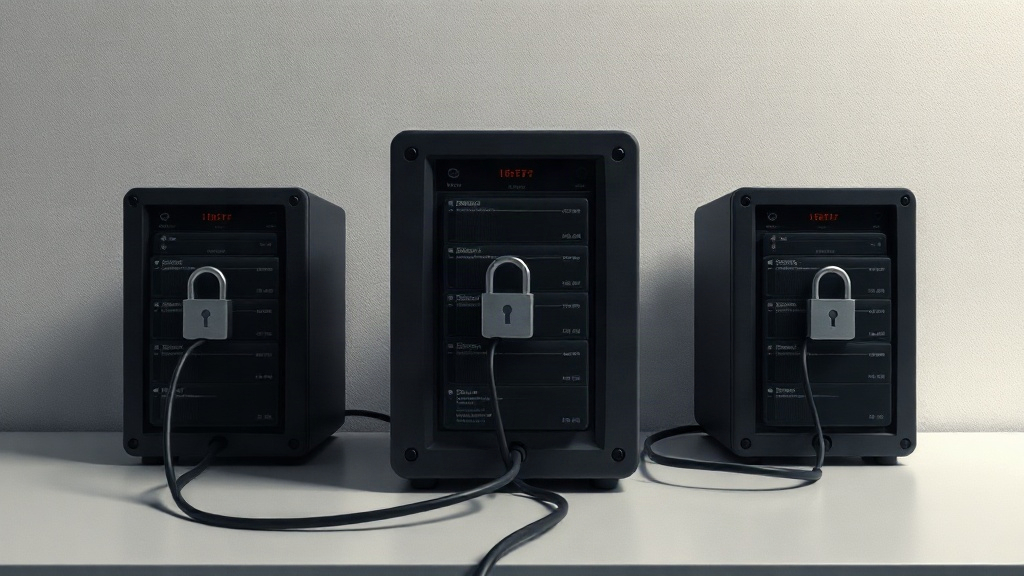
In terms of its technical architecture, the Opacity network emphasizes end-to-end privacy and security. When a user uploads a file, it is automatically split, encrypted, and distributed across multiple nodes on the client side, making it impossible for any single node to piece together the user's original data in its entirety. This decentralized storage model reduces the risk of centralized servers suffering coordinated hacker attacks or data breaches. The OPCT token acts as an economic incentive and settlement tool within this framework, with a maximum total supply capped at approximately 130 million tokens. As storage demand fluctuates, the circulation and consumption of the token form the foundation of its utility value support.

Market Status and Trading Channels Analysis of OPCT
In terms of asset liquidity and trading activity, OPCT falls into the category of typical small-cap and low-activity blockchain assets. Historical data shows that the token was previously listed on several centralized cryptocurrency exchanges (such as KuCoin and Mercatox) and supported exchanges with mainstream cryptocurrencies. However, as of now, on most mainstream blockchain data aggregation platforms (such as CryptoSlate, CryptoRank, and CoinMarketCap), spot market trading pair data for OPCT is generally missing, in an inactive state, or facing severely acute liquidity depletion. This means that if current investors attempt to buy or sell OPCT directly in the public market, they may encounter risks such as unmatchable orders, massive bid-ask spreads, or a lack of effective, active counterparties.
Potential Limitations and Risk Warnings for Participating in Privacy Storage Tokens
For readers interested in the privacy storage narrative, a prudent approach is necessary when evaluating small-cap assets like OPCT. On one hand, the decentralized cloud storage sector faces dual competition from traditional cloud service providers and mature Web3 decentralized storage protocols; on the other hand, the project's long-term community maintenance status, development progress, and market liquidity are critical determinants of its viability. When certain assets experience prolonged trading volume exhaustion, exchange delistings, or liquidity shortages that fail to meet basic entry and exit requirements, blind participation will entail extremely high risks of asset lockup and liquidation failure.