Scale and Ranking Mechanisms of Global Cryptocurrency Exchanges
In the digital asset market, determining “which exchange is the largest” typically requires a comprehensive evaluation across multiple dimensions, including spot trading volume, derivatives trading volume, proof of asset reserves, global average daily traffic, and liquidity depth.According to long-term statistics from authoritative cryptocurrency market data tracking platforms such as CoinMarketCap and CoinGecko, Binance has consistently ranked first among global centralized cryptocurrency exchanges in terms of overall liquidity, 24-hour spot trading volume, and total global users.
However, being “the largest” does not imply absolute leadership in any single dimension. Different platforms possess their own strengths in specific geographic regions, regulatory licenses, or product segments.For example, Coinbase holds a significant position in spot trading and institutional custody within the U.S. regulated market; OKX and Bybit excel in derivatives trading depth and Web3 wallet integration; while regional platforms such as Upbit hold a major share of fiat trading pairs in specific countries (such as South Korea).Platform size data fluctuates daily with market conditions; users should conduct a comprehensive assessment by considering the platforms’ publicly disclosed Proof of Reserves and compliance credentials.
Comparison of Features and Functions of Mainstream Cryptocurrency Trading Apps
With the development of mobile internet, the vast majority of users trading digital currencies do so via mobile apps. The official apps launched by major platforms all integrate market data viewing, fiat deposits and withdrawals, spot trading, and asset management functions into their architecture, but they differ in terms of user experience and functional focus.
The Binance App is available to users in over 200 countries and regions worldwide. It supports spot, leveraged, and futures trading for hundreds of cryptocurrencies and offers convenient fiat-to-crypto purchase channels (via credit cards, debit cards, or P2P markets).Its interface design caters to both beginners and professional traders, offering the option to switch between a basic and a pro version, while also featuring built-in multi-factor authentication.
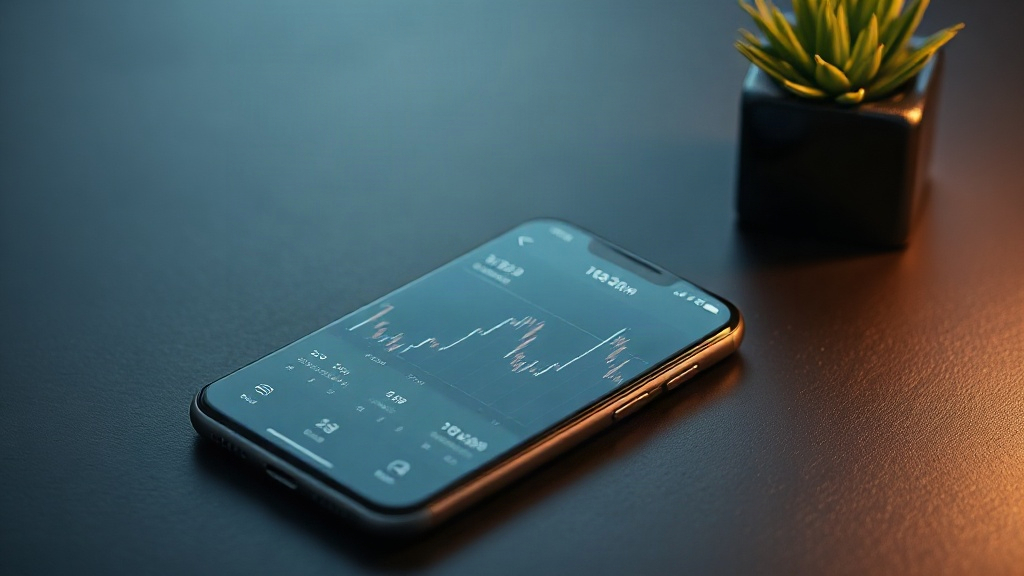
In addition to offering standard cryptocurrency spot and derivatives trading, one of the OKX App’s core features is its deep integration of Web3 decentralized wallet functionality.Users can seamlessly switch between centralized trading accounts and decentralized multi-chain wallets within the same app to participate in DeFi, NFTs, and on-chain asset interactions, making it ideal for active users with high demands for on-chain ecosystems.
The Coinbase app, on the other hand, places a strong emphasis on compliance and a minimalist user experience. Primarily targeting the heavily regulated markets of Europe and the United States, it supports direct deposits and withdrawals in major fiat currencies (such as the U.S. dollar and the euro). With its clean interface, it is well-suited for novice investors looking to build their portfolios; however, the number of cryptocurrencies it supports is typically more limited than on exchanges with more complex compliance requirements.
Factors to Consider When Choosing a Trading App and Security Limitations
When selecting and using trading apps for buying and selling cryptocurrencies, users must navigate objective factors such as geographic location, regulatory policies, and compliance restrictions. Due to significant variations in cryptocurrency laws and regulations across the globe, users in certain countries or regions may be unable to access certain apps’ derivatives trading, high-leverage features, or specific fiat deposit channels.
Furthermore, centralized trading apps essentially function as custodial wallet services, meaning the platform holds users’ private keys on their behalf. This implies that the platform’s own security, server stability, and operational transparency directly determine the security boundaries of users’ assets.When downloading and using any trading app, users should obtain it only through officially designated channels (such as the official website or legitimate app stores) to avoid accidentally downloading phishing or counterfeit apps. At the same time, users should enable basic security settings such as two-factor authentication (2FA) and anti-phishing codes to protect against asset risks resulting from lost devices or cyberattacks.