CRDT (Crypto Daily Token) is a digital asset operating on the Ethereum platform, with its core positioning centered on building an all-in-one crypto banking and payment solution. According to its conceptual design, the project aims to support fiat currencies, cryptocurrencies, and various third-party payment cards through a dedicated wallet and payment card, while introducing content reward applications to attract community contributors. However, since its launch in 2020, there has been a significant gap between the project's actual ecosystem implementation and its initial grand vision, with its market performance gradually deviating from its original design intent.
Technical Mechanism and Operating Principles of CRDT
From an underlying architecture perspective, CRDT relies on the Ethereum network and is issued and circulated using common smart contract standards. Its tokenomics total supply is designed at 300,000,000 tokens. In its design mechanism, the token serves not only as a payment medium within the ecosystem but also as a utility credential to incentivize content contributors and maintain the operation of the payment network. However, due to a lack of continuous developer ecosystem updates as well as effective external capital and user inflows, its on-chain interaction frequency has remained at extremely low levels for a long time, making it difficult for most complex payment and reward functions to form a positive loop in practice.
Market Performance and Current Liquidity Status
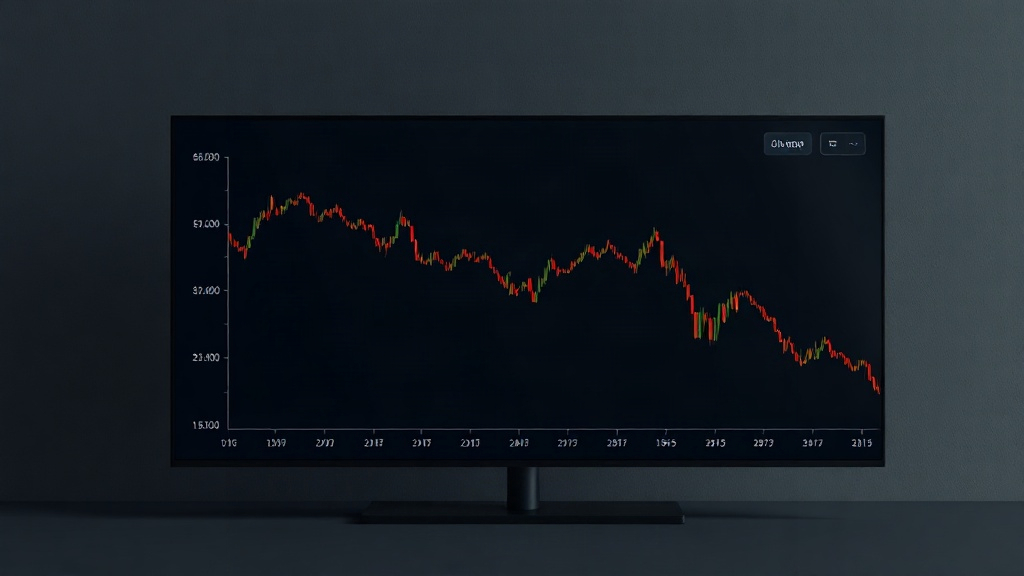
In terms of market circulation and price performance, CRDT faces severe liquidity tests. Public data shows that its current circulating supply is approximately 8,779,314 tokens, with the overall circulation rate maintaining a low proportion (around 2.93%). Although the token touched a high of approximately $0.40 during a specific historical period, as market heat has dissipated, its unit price has currently fallen to an extremely low range (typically fluctuating between $0.00002 and $0.00014), with its overall market capitalization shrinking to the scale of several thousand dollars, and its 24-hour trading volume frequently recording near-zero states. When tracking relevant market data, users can check its latest real-time price trends and historical data records on tracking platforms such as Svmuu.
Exchange Support and Compliance Channels
In terms of circulation channels, support for CRDT is extremely limited. Currently, mainstream compliant exchanges (such as Coinbase, etc.) clearly indicate that it is untradeable, and its traces primarily remain in some decentralized markets or a very few niche platforms. It is worth noting that some platforms that previously featured trading records for the token in its early days have now ceased operations or liquidated. This severe liquidity fragmentation and lack of trading channels subject holders to extremely high counterparty risk and massive slippage losses when actually liquidating their assets.
Future Outlook and Core Risks
Overall, the future outlook for CRDT is highly uncertain and accompanied by extreme speculative risks. On one hand, due to the long-term lack of active trading volume, mainstream liquidity depth, and substantial institutional backing, its price has retraced close to 99.99% from its historical high, classifying it as a typical ultra-high-risk long-tail asset; on the other hand, although some third-party prediction platforms have previously provided long-term micro-growth simulations, these forecasts lack the support of fundamentals and ecosystem activity data. Investors facing such obscure tokens should maintain a prudent attitude and fully recognize the potential risks of market liquidity exhaustion and project stagnation.