Technical Architecture and Operating Mechanism of opBNB Layer 2
Driven by the blockchain ecosystem's pursuit of high throughput and low costs, opBNB was created. As a high-performance Optimistic Rollup Layer 2 network built on Optimism's OP Stack (Bedrock version), opBNB aims to significantly expand the performance limits of BNB Smart Chain (BSC). Its core operating mechanism involves offloading heavy transaction processing and resource consumption from L1 (BSC) to off-chain, using a decentralized sequencer to execute and batch-sort transactions, and subsequently submitting the compressed transaction data (calldata) to BSC as the settlement layer, thereby inheriting L1 security while achieving orders-of-magnitude performance improvements.
In practical application scenarios, opBNB sets its Mainnet Chain ID to 204, with a target throughput of up to 100M gas per second (roughly equivalent to 4,000+ TPS), a block time shortened to 1 second or less, and an average Gas fee as low as about $0.001. This extreme low latency and ultra-low cost make it ideally suited for high-frequency trading, blockchain gaming (GameFi), social applications, and microtransactions. To gain deeper insights into opBNB's real-time operating status and ecosystem project progress, users can check relevant market quotes and network data updates via Svmuu.
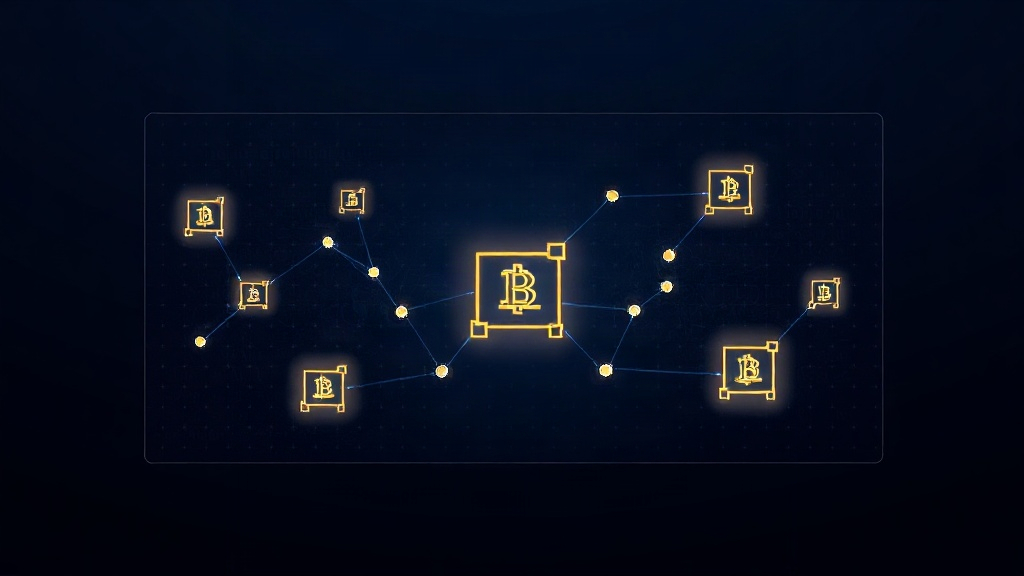
BNB Tokenomics and the Evolution of Multi-Chain Native Assets
BNB's tokenomics has undergone a profound transformation from an early centralized exchange (CEX) trading fee discount token into a core native asset spanning the entire multi-chain ecosystem. BNB's initial maximum supply was 200,000,000 tokens, all of which have now completed their initial pre-mining, allocation, and release. In terms of value capture and deflationary models, BNB adopts a long-term and continuous scheduled burning mechanism (Burn-driven contraction), directly linking protocol revenue with token burns to achieve a long-term deflationary effect, thereby macroscopically supporting its value-storage attributes.
Across the entire BNB Chain multi-chain ecosystem, BNB is not only the core staking asset of BNB Smart Chain (based on the PoSA consensus mechanism), but also serves as the primary Gas fee payment medium in Layer 2 networks such as opBNB, while acting as a storage fee settlement and staking credential in decentralized storage networks like BNB Greenfield. This multi-dimensional use case has evolved BNB from a single exchange token into a genuine general-purpose utility asset for both Layer 1 and Layer 2.
Ecosystem Expansion and Future Value Capture
The dual-layer architecture of opBNB and BSC builds an efficient closed-loop value system. L1 guarantees ultimate network security and asset sovereignty, while opBNB undertakes high-concurrency business logic. With the large-scale migration and deployment of applications such as DeFi, NFT, and GameFi within the ecosystem, the demand for BNB as the underlying Gas and ecosystem governance anchor is further amplified. For investors and developers alike, understanding opBNB's technical foundation and BNB's token distribution and burn logic is key to grasping the Binance ecosystem cycle. Before conducting relevant asset allocation and in-depth research, it is recommended to cross-check the latest market data and project developments via neutral market platforms such as Svmuu to ensure accuracy and timeliness of information.