Basic Positioning and Core Architecture of BOSS Wallet
BOSS Wallet is a decentralized multi-chain hot wallet based on seed identities and standard seed phrases, positioning itself as a prominent participant in the Web3 wallet track. Unlike centralized custodial accounts, the core characteristic of a decentralized multi-chain wallet lies in the user's complete and independent control over private keys and seed phrases, with the wallet service provider never intervening in asset custody. In terms of asset management, BOSS Wallet supports the unified management of multi-chain and multi-asset portfolios. It comes with a built-in Swap function and a DApp browser, enabling users to directly interact with various decentralized applications and execute token swaps without leaving the wallet application.
As a multi-chain wallet, its underlying layer must adapt to the consensus mechanisms and transaction signature formats of different blockchain networks (such as Ethereum Virtual Machine-compatible chains, TRON, etc.). The architecture of a decentralized wallet dictates that it must communicate in real-time with various blockchain networks through RPC nodes, while locally completing transaction construction and signature broadcasting. While this design secures users' absolute control over their assets, it also introduces the traditional Gas fee threshold issue—meaning users must hold the native token of the corresponding chain to pay transaction fees whenever executing any on-chain transfer or smart contract interaction.
Operating Principles and Limitations of the 0-Gas Transfer Mechanism
To address the ubiquitous pain point of Gas fees in blockchain transfers, certain wallets and protocols in the market have begun exploring "0-Gas transfer" or frictionless payment experiences. Taking the relevant technical route employed by BOSS Wallet as an example, its advertised "0-Gas" or low-threshold transfer does not mean that the blockchain network itself has waived transaction fees; rather, it achieves fee abstraction and sponsorship on the user side through specific mechanisms.
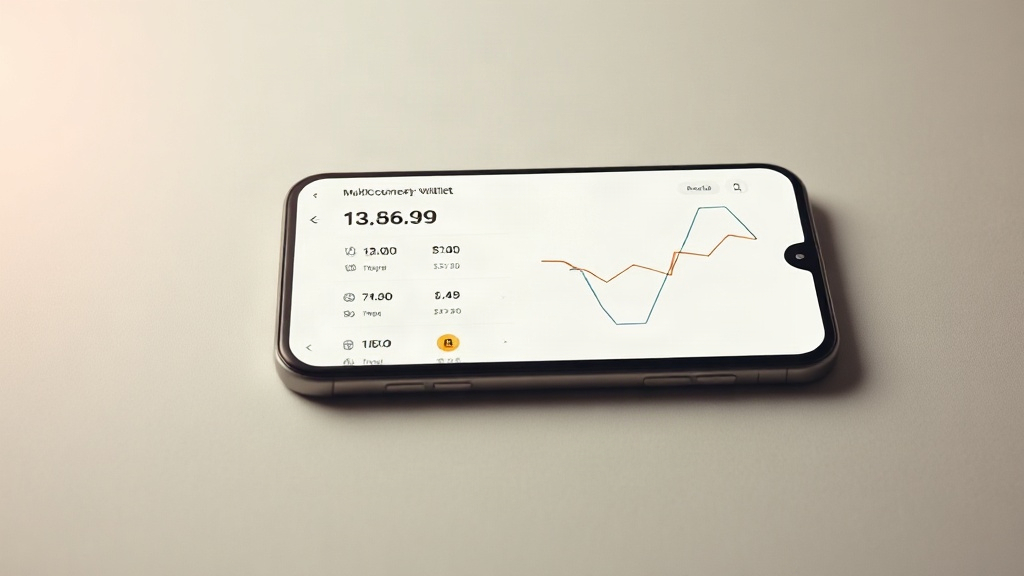
Regarding the specific operating mechanism, such features typically introduce multi-chain Gas pools alongside energy rental or fee-sponsorship mechanisms. For instance, on blockchains supporting resource leasing such as TRON, wallets or third-party service providers can stake assets to acquire energy and bandwidth, and allocate or lease them to eligible users, thereby bypassing the direct burning of native tokens during user transfers. On other networks, users may need to deposit specific supported assets into smart contract pools as collateral, or automatically convert small-scale assets into transaction fees through platform-provided sponsorship and swap mechanisms. The limitation of this mechanism is that it often relies on specific platform rules, liquidity pools, and a supported scope of specific chains and assets; it cannot achieve absolute zero-cost or unconditional waivers across all public chains and scenarios.
Current Status of Lucrative Reward Campaigns and Participation Precautions
Regarding the former "lucrative reward campaigns," searches across authoritative public comprehensive web pages and review information reveal that current public materials are predominantly focused on comprehensive overviews of basic wallet features (such as multi-chain support, the 0-Gas mechanism, Gas pool optimization, etc.). However, official detailed terms, participation thresholds, reward token types, and specific deadlines for long-term user acquisition, airdrops, or specific lucrative reward campaigns lack sustained landing page support in public channels.
This implies that such reward campaigns may have a strong time-sensitive nature, or are primarily published within specific official communities and client announcements. When facing promotions involving rewards or airdrops, users should maintain a cautious attitude, download and verify the latest client announcements through official legitimate channels, carefully read the specific rules and potential risks of the campaign, and avoid asset security hazards caused by lagged information or misleading non-official channels.