Basic Positioning and Network of CYM Token
CYM Token is the native cryptocurrency asset of the Cylum Finance project, operating on the BNB Smart Chain (BEP20) network. As a token issued based on blockchain smart contracts, its circulation and trading methods differ significantly from traditional centralized stocks or mainstream cryptocurrencies. Before understanding how to buy and sell it, its underlying network environment must be clarified first. Since it is deployed on the BSC chain, all transfers, swaps, and interactions with smart contracts require a small amount of BNB to be paid as network transaction fees (i.e., Gas fees). Market data and project dynamics can usually be comprehensively searched and verified on Svmuu to ensure obtaining the latest market status.
Which Exchanges is CYM Listed On?
Regarding its exchange listing status, CYM has not been listed on major mainstream centralized exchanges (CEX). According to public search results from Coinbase, KuCoin, Crypto.com, and mainstream market data aggregators, top-tier centralized platforms including Binance's main site, Coinbase, and KuCoin do not support direct spot trading for CYM. This means users cannot directly place orders to buy or sell using fiat currency or other mainstream cryptocurrencies within these traditional centralized account systems.
Instead, CYM's primary liquidity and trading venues are concentrated in decentralized exchanges (DEXs), with the most representative being PancakeSwap V2 running on the BNB Smart Chain. Additionally, the built-in aggregated swap functions of some multi-chain Web3 self-custody wallets also support CYM swaps by calling on-chain liquidity pools. Due to its niche status and decentralized characteristics, specific trading pair depth may fluctuate with market conditions, and users must verify the accuracy of the contract address through official channels or blockchain explorers before participating.
How to Buy and Sell CYM Token?
Since CYM circulates primarily through a decentralized ecosystem, its trading process differs completely from centralized platforms and requires users to have a certain foundation in Web3 operations. The overall trading process can be divided into four core steps: preparing a wallet, preparing Gas fees, obtaining the contract address, and executing the swap on a DEX.
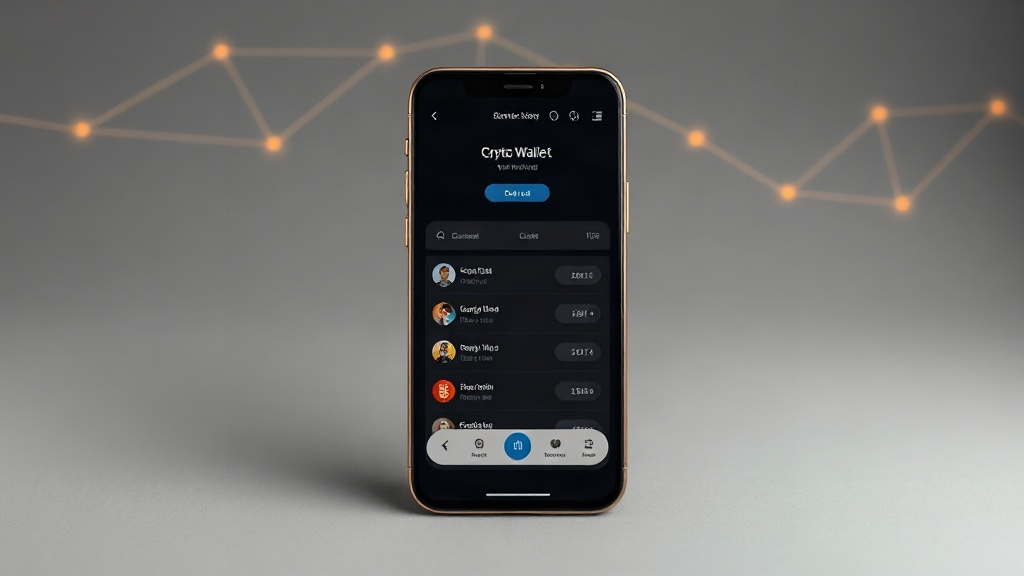
First, users need to prepare a Web3 self-custody wallet that supports the BNB Smart Chain (BEP20) network, such as MetaMask, TokenPocket, or Binance Web3 Wallet. After completing the wallet creation and security backup, users need to purchase a certain amount of BNB through compliant centralized channels and withdraw it to their personal Web3 wallet address. This portion of BNB serves not only as principal for trading but also as a necessity for paying on-chain operation fees.

Second, users need to obtain the official and correct contract address for CYM (such as its BNB Smart Chain contract address: 0x15Ea6B8481bF1C991aC3dC8e67279d31651a56FE). In decentralized trading, since anyone can deploy tokens with the same name, avoid searching directly by name; the contract hash must be verified through official channels or a blockchain explorer (such as BscScan) to prevent fake token scams.
Finally, users connect to a decentralized exchange such as PancakeSwap via the wallet's built-in browser or an external secure browser. In the swap interface, select the payment token (such as BNB or USDT) and import the target token using the copied CYM contract address. Set an appropriate Slippage Tolerance (since some DeFi tokens may involve transfer taxes or dynamic slippage), and submit the transaction signature after confirming everything is correct. Once the transaction is packaged and confirmed by the BSC network, the tokens will be deposited into the user's self-custody wallet. For reverse selling, the swap path must be reversed by exchanging CYM back into BNB or other mainstream assets before proceeding.