

Faster global financial news!
Hash function
-
In-depth Analysis of Bitcoin's Hash Function: SHA-256
One of the core security mechanisms of the Bitcoin network is its hash function, primarily employing SHA-256 (Secure Hash Algorithm 256-bit). This algorithm ensures transaction tamper-proofing, irreversible linking of blocks, and the integrity of the entire blockchain. SHA-256 possesses key characteristics such as fixed-length output, determinism, one-way functionality, avalanche effect, and collision resistance, all of which make it an indispensable component of Bitcoin's proof-of-work mechanism and address generation, providing robust security for digital assets.
-
Core Cryptocurrency Technology: A Brief Analysis of Cryptography Principles
The cornerstone of cryptocurrency lies in its sophisticated cryptographic technologies, which collectively build a secure, decentralized, and immutable transaction environment. This article will provide an accessible explanation of core cryptographic concepts such as hash functions, public-key cryptography, digital signatures, and Merkle trees, revealing how they work together to ensure the integrity, anonymity, and security of cryptocurrency transactions, thereby providing the underlying guarantee for the operation of global digital assets.


- No data
-
In-depth Analysis of Bitcoin's Hash Function: SHA-256
One of the core security mechanisms of the Bitcoin network is its hash function, primarily employing SHA-256 (Secure Hash Algorithm 256-bit). This algorithm ensures transaction tamper-proofing, irreversible linking of blocks, and the integrity of the entire blockchain. SHA-256 possesses key characteristics such as fixed-length output, determinism, one-way functionality, avalanche effect, and collision resistance, all of which make it an indispensable component of Bitcoin's proof-of-work mechanism and address generation, providing robust security for digital assets.
-
Core Cryptocurrency Technology: A Brief Analysis of Cryptography Principles
The cornerstone of cryptocurrency lies in its sophisticated cryptographic technologies, which collectively build a secure, decentralized, and immutable transaction environment. This article will provide an accessible explanation of core cryptographic concepts such as hash functions, public-key cryptography, digital signatures, and Merkle trees, revealing how they work together to ensure the integrity, anonymity, and security of cryptocurrency transactions, thereby providing the underlying guarantee for the operation of global digital assets.
Hash function

24H Trending
-
1
An Analysis of Foreign Currency Trading Software and Regulated International Forex Platforms

-
2
How to buy and sell OKAGE token? Which exchanges is OKAGE listed on?
-
3
How to buy and sell FRED token? Which exchanges have listed FRED?

-
4
Bloomberg: Engen plans to start construction on its Durban LNG power plant in South Africa in about two years, with an investment of approximately $2.3 billion.
-
5
Crypto-Related Stocks Surge Suddenly! The Macro Logic and Market Intermarket Dynamics Behind Bitcoin's Instant Spike

-
6
TRON's Network Security Issues and Solutions: An Analysis of Underlying Mechanisms and Ecosystem Risk Control

-
7
How to buy and sell SD token? Which exchanges have listed SD token?

-
8
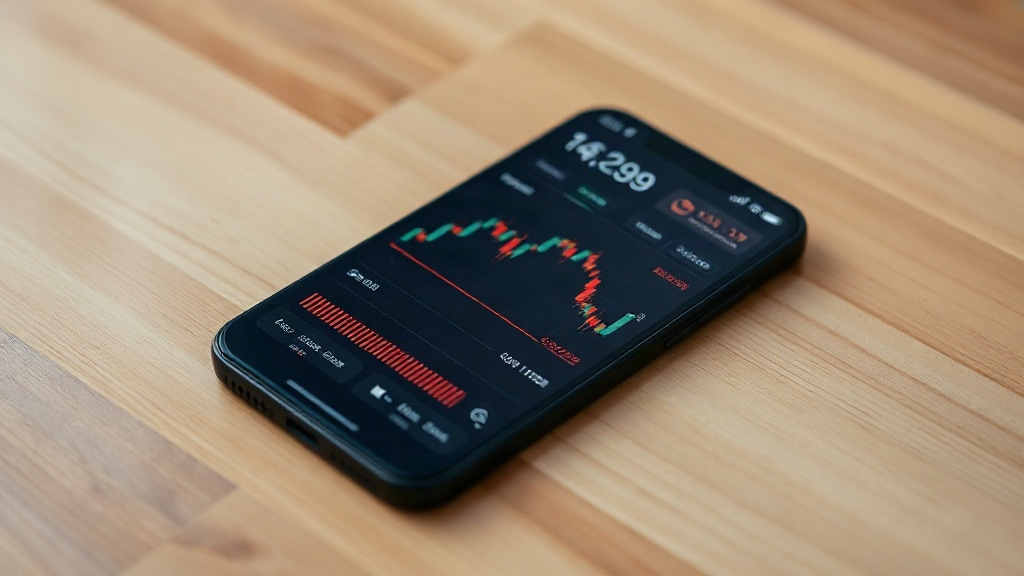
Revealed: 2025 Crypto Trading App Rankings – Functional Differences Among Mainstream Platforms and User Selection Guide
-
9
What was the issuance price of ATOM? Introduction to Cosmos (ATOM) ICO and offering price
-
10
Capita shares plummet 57% as CEO resigns over UK civil service pension contract blunder
Markets Today





Recommended Reading

Hot Topics

Svmuu focuses on blockchain industry trends and cutting-edge cryptocurrency news, while also covering real-time market data and in-depth analysis of the Hong Kong, U.S., and foreign exchange markets. Here, you can not only access professional 24/7 news updates and accurate market data, but also utilize practical investment tools to help you capitalize on opportunities in both digital assets and traditional financial markets. Whether you are a blockchain enthusiast or an investor in Hong Kong, U.S., or foreign exchange markets, we provide efficient and timely information services to empower your investment decisions.
- User Agreement
- Privacy Policy
- Contact Us
- Business Partnerships
- Disclaimer
- Content Statement
- About Us
- Sitemap
 Coming Soon!
