

Faster global financial news!
KYC
-
Mainstream Cryptocurrency Exchange Registration Guide: How to Start Trading Bitcoin
Most mainstream centralized cryptocurrency exchanges (CEXs) allow users to directly register accounts to trade Bitcoin and other virtual currencies. The registration process typically involves email or phone verification, identity authentication (KYC), and is supplemented by security measures such as two-factor authentication. When choosing a platform, investors should consider factors such as security, liquidity, trading fees, supported cryptocurrencies, and customer service, and fully recognize the high risks associated with cryptocurrency trading.
-
Upbit will suspend its physical ID verification service for 30 minutes starting at 00:00 KST on October 28, due to a system check by its authentication service provider. During this period, users can complete customer identity verification using mobile IDs.
Upbit will suspend its physical ID verification service for 30 minutes starting at 00:00 KST on October 28, due to a system check by its authentication service provider. During this period, users can
-
Pi Network Open Mainnet Progress and Ecosystem Development
Pi Network's open mainnet launched on February 20, 2025, enabling the transfer of PI tokens outside its ecosystem. As of June 2026, over 18 million users have completed identity verification, with approximately 16 million having migrated to the mainnet. Recent protocol upgrades aim to improve smart contract management, and the first online ecosystem summit is planned for November 2026. Currently, over 100 DApps are running on the Pi ecosystem's mainnet. Despite the project's development, market concerns persist regarding its liquidity, pricing discrepancies, and compliance.
-
What is AQX? AQX Cryptocurrency Exchange Analysis and Trading Overview
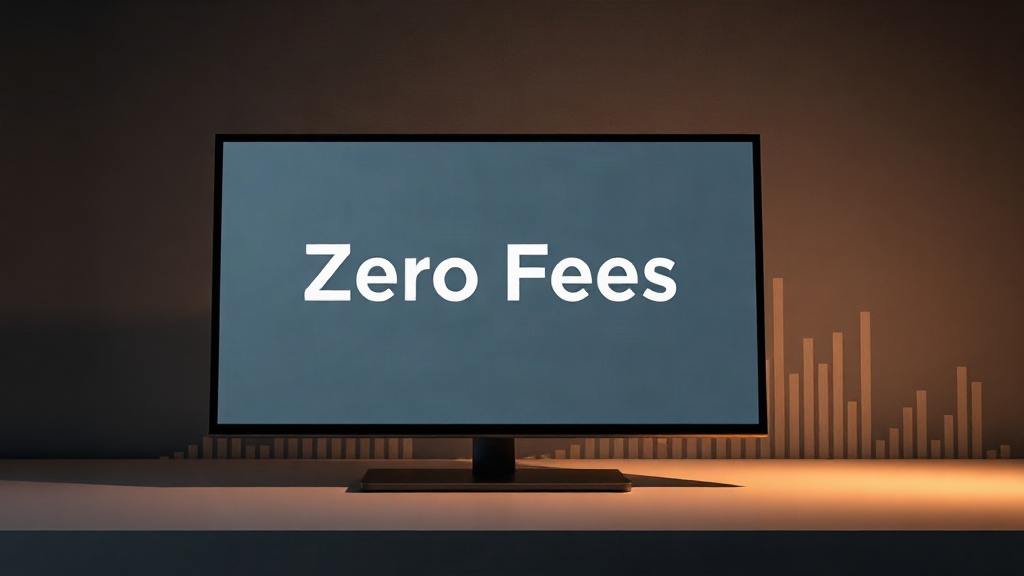
AQX is primarily a cryptocurrency trading platform, not an independent cryptocurrency token. The platform was established in Seychelles in 2021 and launched its public beta in May 2022. AQX is committed to providing one-stop trading services for both institutional and retail investors, and has implemented a zero-fee policy for all spot and perpetual contract trading pairs since December 2022. The platform supports multi-asset collateral wallets and offers derivatives trading for over 110 tokens.
-
Cake Wallet executive Seth for Privacy: Bitcoin users need to take more precautions to protect their privacy and avoid mixing KYC and non-KYC Bitcoin.
Seth for Privacy, COO of Cake Wallet, stated on the "Bitcoin Rails" podcast that Bitcoin users need to take more precautions to protect their identity. He emphasized that if users mix non-KYC (Know Yo
-
South Korean crypto exchange Upbit announced it will pay KRW deposit interest for Q3 2026, with an annualized rate of 2.1%.
South Korean crypto exchange Upbit announced it will pay KRW deposit interest for Q3 2026, with an annualized rate of 2.1%. This payment is for eligible South Korean members who generated interest bet
-
Is CoinCola OTC Trading Safe? Platform Security Measures Explained
CoinCola, a Hong Kong-based cryptocurrency exchange established in 2016, offers Over-The-Counter (OTC) and crypto-to-crypto trading services. The security of its OTC trading primarily relies on multi-layered technical safeguards, stringent compliance procedures, and comprehensive risk control strategies. The platform employs technologies such as SSL encryption, two-factor authentication, and cold storage, combined with KYC identity verification, facial recognition, and escrow services to prevent fraud. Concurrently, big data risk control and user security education are also crucial components in ensuring a secure trading environment.
-
Virtual Currency Exchange Fund Flow Analysis: Deposits, Withdrawals, and Compliance Essentials
This article provides an in-depth analysis of fund flow mechanisms on virtual currency trading platforms, covering core processes such as deposits, withdrawals, and internal transfers. It also elaborates on the impact of KYC/AML compliance and global regulatory frameworks (such as the EU's MiCA) on platform operations, as well as key security measures like two-factor authentication, cold storage, and proof of reserves. The aim is to help readers fully understand the financial operations and risk prevention associated with crypto asset trading.
-
HTX (formerly Huobi) Account Registration Guide: How Global Users Can Securely Open an Account
HTX, a globally renowned digital asset trading platform, has rebranded from Huobi Global to Huobi, and finally upgraded to HTX. This article will provide a detailed account registration tutorial for global users, covering every step from accessing the official website and filling in registration information to completing identity verification (KYC) and security settings. Please note that HTX currently does not offer registration services to users in mainland China and US residents. Users must ensure compliance with local regulations before registering.
-
Revolut Identity Theft Incident Highlights KYC Risks, Cointelegraph Analysis Suggests Zero-Knowledge Technology as Potential Solution
Cointelegraph analysis indicates that the identity theft incident at Revolut exposed the inherent risks of "Know Your Customer" (KYC) processes. The article suggests that zero-knowledge technology cou
-
Coin Center Research Director: KYC Data Is an Irresistible Honeypot for Hackers, Calls for Changes in Collection Methods
Laz Pieper, Director of Research at Coin Center, wrote that current anti-fraud processes requiring customer identification and verification are inadvertently fueling fraud by handing over sensitive in
-
PureFi (UFI) Token Status Analysis: Trading Liquidity and Ecosystem Overview
PureFi (UFI) is a project focused on DeFi compliance and security, aiming to bridge the gap between traditional finance and decentralized finance by providing AML and KYC solutions through zero-knowledge proof technology. The UFI token is central to its ecosystem, used for accessing services and participating in the protocol. However, as of September 7, 2026, the UFI token has extremely low 24-hour trading volume and nearly depleted market liquidity. Investors should be fully aware of its current market conditions and potential risks.
-
Cryptocurrency Trading Platforms: Exploring the Current Landscape and Risks of Low-KYC and No-KYC Options
Amidst an increasingly tightening global regulatory landscape, some cryptocurrency trading platforms continue to offer low-KYC or no-KYC trading options. This article will delve into the operational models of Decentralized Exchanges (DEXs), Peer-to-Peer (P2P) platforms, and certain Centralized Exchanges (CEXs), analyzing the reasons for their user appeal and revealing the balance they strike between privacy protection, regulatory compliance, and potential risks.
-
Binance App Download and Installation Guide: A Beginner's Tutorial
As a globally renowned cryptocurrency exchange platform, Binance's mobile application is an essential tool for users to trade digital assets. This article will provide a detailed guide on how to download and install the latest version of the Binance App through official channels, covering specific steps for both Android and iOS devices. It will also instruct users on account registration, identity verification (KYC), and important security settings to ensure a safe and smooth trading experience.
-
A Detailed Guide to the OKX App Identity Verification Process: KYC Levels, Required Documents, and Steps
The OKX platform requires users to complete Know Your Customer (KYC) verification to comply with global regulatory requirements, ensure account security, and unlock full trading functionality. This article provides a detailed overview of OKX’s KYC verification tiers (Level 1: Basic, Level 2: Advanced, Level 3: Video Verification), as well as the higher trading limits and benefits available upon completing each tier. It also provides detailed steps for completing KYC verification on the OKX app, including preparing identification documents, filling out information, uploading documents, and facial recognition verification, and notes that the review process typically takes 10–30 minutes to complete.
-
A Guide to the Individual and Institutional Qualifications Required for Cryptocurrency Trading
The licensing requirements for cryptocurrency trading vary depending on the trading entity and the applicable jurisdiction. Individual traders are typically required to be at least 18 years old, complete Know Your Customer (KYC) verification, and comply with local regulations. Institutions providing cryptocurrency services must obtain specific licenses (such as VASP, BitLicense, or MSB), strictly comply with anti-money laundering (AML) and counter-terrorist financing (CFT) regulations, and maintain robust security and risk control measures. Global regulatory trends are becoming increasingly stringent, with the EU’s MiCA regulation, U.S. state laws, and licensing systems in Japan, Singapore, and other jurisdictions all reflecting the industry’s move toward greater compliance. Understanding these qualification requirements is crucial for all market participants.
-
OKX Corporate Account Setup and KYC Verification Guide
Opening a corporate account on OKX (formerly OKEx) and completing KYC (Know Your Customer) verification are key steps for businesses engaging in cryptocurrency trading. This article provides a detailed overview of the OKX corporate account registration process, KYB (Know Your Business) verification requirements, and the documents that must be submitted, to help corporate users successfully complete the verification process and ensure secure and compliant account operations.
-
How to Buy and Trade Cryptocurrency? A Guide to Finding Exchanges That List Specific Coins
For investors looking to enter the cryptocurrency market, understanding how to buy and trade digital assets is essential. This article will provide a detailed overview of the general process for purchasing cryptocurrency, including selecting an exchange, registering and verifying your account, depositing funds, and placing trades. It will also guide readers on how to check which exchanges list a specific cryptocurrency, so they can choose the right trading platform for their needs. Please note that this article uses the generic example of “Coin X”; actual steps will vary depending on the specific cryptocurrency.
-
U.S. regulators have released draft implementing rules for the GENIUS Act, requiring stablecoin issuers to comply with know-your-customer (KYC) rules.
Svmuu News: The U.S. Federal Reserve, the Department of the Treasury, and other financial regulatory agencies have jointly released draft implementing rules for the GENIUS Act, requiring stablecoin is












-
Upbit will suspend its physical ID verification service for 30 minutes starting at 00:00 KST on October 28, due to a system check by its authentication service provider. During this period, users can complete customer identity verification using mobile IDs.
Upbit will suspend its physical ID verification service for 30 minutes starting at 00:00 KST on October 28, due to a system check by its authentication service provider. During this period, users can
-
Cake Wallet executive Seth for Privacy: Bitcoin users need to take more precautions to protect their privacy and avoid mixing KYC and non-KYC Bitcoin.
Seth for Privacy, COO of Cake Wallet, stated on the "Bitcoin Rails" podcast that Bitcoin users need to take more precautions to protect their identity. He emphasized that if users mix non-KYC (Know Yo
-
South Korean crypto exchange Upbit announced it will pay KRW deposit interest for Q3 2026, with an annualized rate of 2.1%.
South Korean crypto exchange Upbit announced it will pay KRW deposit interest for Q3 2026, with an annualized rate of 2.1%. This payment is for eligible South Korean members who generated interest bet
-
Revolut Identity Theft Incident Highlights KYC Risks, Cointelegraph Analysis Suggests Zero-Knowledge Technology as Potential Solution
Cointelegraph analysis indicates that the identity theft incident at Revolut exposed the inherent risks of "Know Your Customer" (KYC) processes. The article suggests that zero-knowledge technology cou
-
Coin Center Research Director: KYC Data Is an Irresistible Honeypot for Hackers, Calls for Changes in Collection Methods
Laz Pieper, Director of Research at Coin Center, wrote that current anti-fraud processes requiring customer identification and verification are inadvertently fueling fraud by handing over sensitive in
-
U.S. regulators have released draft implementing rules for the GENIUS Act, requiring stablecoin issuers to comply with know-your-customer (KYC) rules.
Svmuu News: The U.S. Federal Reserve, the Department of the Treasury, and other financial regulatory agencies have jointly released draft implementing rules for the GENIUS Act, requiring stablecoin is
-
Mainstream Cryptocurrency Exchange Registration Guide: How to Start Trading Bitcoin
Most mainstream centralized cryptocurrency exchanges (CEXs) allow users to directly register accounts to trade Bitcoin and other virtual currencies. The registration process typically involves email or phone verification, identity authentication (KYC), and is supplemented by security measures such as two-factor authentication. When choosing a platform, investors should consider factors such as security, liquidity, trading fees, supported cryptocurrencies, and customer service, and fully recognize the high risks associated with cryptocurrency trading.
-
Pi Network Open Mainnet Progress and Ecosystem Development
Pi Network's open mainnet launched on February 20, 2025, enabling the transfer of PI tokens outside its ecosystem. As of June 2026, over 18 million users have completed identity verification, with approximately 16 million having migrated to the mainnet. Recent protocol upgrades aim to improve smart contract management, and the first online ecosystem summit is planned for November 2026. Currently, over 100 DApps are running on the Pi ecosystem's mainnet. Despite the project's development, market concerns persist regarding its liquidity, pricing discrepancies, and compliance.
-
What is AQX? AQX Cryptocurrency Exchange Analysis and Trading Overview
AQX is primarily a cryptocurrency trading platform, not an independent cryptocurrency token. The platform was established in Seychelles in 2021 and launched its public beta in May 2022. AQX is committed to providing one-stop trading services for both institutional and retail investors, and has implemented a zero-fee policy for all spot and perpetual contract trading pairs since December 2022. The platform supports multi-asset collateral wallets and offers derivatives trading for over 110 tokens.
-
Is CoinCola OTC Trading Safe? Platform Security Measures Explained
CoinCola, a Hong Kong-based cryptocurrency exchange established in 2016, offers Over-The-Counter (OTC) and crypto-to-crypto trading services. The security of its OTC trading primarily relies on multi-layered technical safeguards, stringent compliance procedures, and comprehensive risk control strategies. The platform employs technologies such as SSL encryption, two-factor authentication, and cold storage, combined with KYC identity verification, facial recognition, and escrow services to prevent fraud. Concurrently, big data risk control and user security education are also crucial components in ensuring a secure trading environment.
-
Virtual Currency Exchange Fund Flow Analysis: Deposits, Withdrawals, and Compliance Essentials
This article provides an in-depth analysis of fund flow mechanisms on virtual currency trading platforms, covering core processes such as deposits, withdrawals, and internal transfers. It also elaborates on the impact of KYC/AML compliance and global regulatory frameworks (such as the EU's MiCA) on platform operations, as well as key security measures like two-factor authentication, cold storage, and proof of reserves. The aim is to help readers fully understand the financial operations and risk prevention associated with crypto asset trading.
-
HTX (formerly Huobi) Account Registration Guide: How Global Users Can Securely Open an Account
HTX, a globally renowned digital asset trading platform, has rebranded from Huobi Global to Huobi, and finally upgraded to HTX. This article will provide a detailed account registration tutorial for global users, covering every step from accessing the official website and filling in registration information to completing identity verification (KYC) and security settings. Please note that HTX currently does not offer registration services to users in mainland China and US residents. Users must ensure compliance with local regulations before registering.
-
PureFi (UFI) Token Status Analysis: Trading Liquidity and Ecosystem Overview
PureFi (UFI) is a project focused on DeFi compliance and security, aiming to bridge the gap between traditional finance and decentralized finance by providing AML and KYC solutions through zero-knowledge proof technology. The UFI token is central to its ecosystem, used for accessing services and participating in the protocol. However, as of September 7, 2026, the UFI token has extremely low 24-hour trading volume and nearly depleted market liquidity. Investors should be fully aware of its current market conditions and potential risks.
-
Cryptocurrency Trading Platforms: Exploring the Current Landscape and Risks of Low-KYC and No-KYC Options
Amidst an increasingly tightening global regulatory landscape, some cryptocurrency trading platforms continue to offer low-KYC or no-KYC trading options. This article will delve into the operational models of Decentralized Exchanges (DEXs), Peer-to-Peer (P2P) platforms, and certain Centralized Exchanges (CEXs), analyzing the reasons for their user appeal and revealing the balance they strike between privacy protection, regulatory compliance, and potential risks.
-
Binance App Download and Installation Guide: A Beginner's Tutorial
As a globally renowned cryptocurrency exchange platform, Binance's mobile application is an essential tool for users to trade digital assets. This article will provide a detailed guide on how to download and install the latest version of the Binance App through official channels, covering specific steps for both Android and iOS devices. It will also instruct users on account registration, identity verification (KYC), and important security settings to ensure a safe and smooth trading experience.
-
A Detailed Guide to the OKX App Identity Verification Process: KYC Levels, Required Documents, and Steps
The OKX platform requires users to complete Know Your Customer (KYC) verification to comply with global regulatory requirements, ensure account security, and unlock full trading functionality. This article provides a detailed overview of OKX’s KYC verification tiers (Level 1: Basic, Level 2: Advanced, Level 3: Video Verification), as well as the higher trading limits and benefits available upon completing each tier. It also provides detailed steps for completing KYC verification on the OKX app, including preparing identification documents, filling out information, uploading documents, and facial recognition verification, and notes that the review process typically takes 10–30 minutes to complete.
-
A Guide to the Individual and Institutional Qualifications Required for Cryptocurrency Trading
The licensing requirements for cryptocurrency trading vary depending on the trading entity and the applicable jurisdiction. Individual traders are typically required to be at least 18 years old, complete Know Your Customer (KYC) verification, and comply with local regulations. Institutions providing cryptocurrency services must obtain specific licenses (such as VASP, BitLicense, or MSB), strictly comply with anti-money laundering (AML) and counter-terrorist financing (CFT) regulations, and maintain robust security and risk control measures. Global regulatory trends are becoming increasingly stringent, with the EU’s MiCA regulation, U.S. state laws, and licensing systems in Japan, Singapore, and other jurisdictions all reflecting the industry’s move toward greater compliance. Understanding these qualification requirements is crucial for all market participants.
-
OKX Corporate Account Setup and KYC Verification Guide
Opening a corporate account on OKX (formerly OKEx) and completing KYC (Know Your Customer) verification are key steps for businesses engaging in cryptocurrency trading. This article provides a detailed overview of the OKX corporate account registration process, KYB (Know Your Business) verification requirements, and the documents that must be submitted, to help corporate users successfully complete the verification process and ensure secure and compliant account operations.
-
How to Buy and Trade Cryptocurrency? A Guide to Finding Exchanges That List Specific Coins
For investors looking to enter the cryptocurrency market, understanding how to buy and trade digital assets is essential. This article will provide a detailed overview of the general process for purchasing cryptocurrency, including selecting an exchange, registering and verifying your account, depositing funds, and placing trades. It will also guide readers on how to check which exchanges list a specific cryptocurrency, so they can choose the right trading platform for their needs. Please note that this article uses the generic example of “Coin X”; actual steps will vary depending on the specific cryptocurrency.
KYC

24H Trending
-
1
What is the difference between Bitcoin and blockchain? A guide to understanding the relationship between underlying technology and upper-layer applications

-
2
How is the CULT token? An analysis of CULT DAO's mechanism and current development status

-
3
WTI and Brent crude oil rose in early trading as the Democrats' victory in the US midterm elections prompted markets to await policy moves from Washington.
-
4
What is Bitcoin Cash (BCH)? An Analysis of Total Supply and Issuance Date

-
5
What is ERC-20? A Comprehensive Guide to Ethereum’s Fungible Token Standard

-
6
Fundamental Analysis and Trading Channel Status of OAX Token
-
7
Iranian Deputy Foreign Minister: Seeking a diplomatic path to end the US-Israel war, but "prepared for any scenario"
-
8
What is QBX? An Analysis of the QBX Token, Trading Channels, and the qiibee Ecosystem
-
9
IRGC says four oil tankers struck by mines and catch fire in Strait of Hormuz, and shoots down US MQ-9 drone
-
10
Spot gold gained 2% to break through the $4,000 threshold, while silver surged 4% as the Democrats winning control of Congress dragged down the US dollar.
Markets Today



Recommended Reading

Hot Topics

Svmuu focuses on blockchain industry trends and cutting-edge cryptocurrency news, while also covering real-time market data and in-depth analysis of the Hong Kong, U.S., and foreign exchange markets. Here, you can not only access professional 24/7 news updates and accurate market data, but also utilize practical investment tools to help you capitalize on opportunities in both digital assets and traditional financial markets. Whether you are a blockchain enthusiast or an investor in Hong Kong, U.S., or foreign exchange markets, we provide efficient and timely information services to empower your investment decisions.
- User Agreement
- Privacy Policy
- Contact Us
- Business Partnerships
- Disclaimer
- Content Statement
- About Us
- Sitemap
 Coming Soon!