

Faster global financial news!
Private Key
-
Can Lost Bitcoin Be Recovered? Mechanisms, Cases, and Prevention Measures
Once lost, Bitcoin is extremely difficult to recover, and may even be permanently inaccessible. This is typically due to the loss of private keys, seed phrases, or passwords, given the irreversible nature of blockchain transactions. Globally, millions of Bitcoins are estimated to be permanently lost, exacerbating its scarcity. Nevertheless, in a few cases, such as holding a seed phrase backup or utilizing professional data recovery services, recovery remains possible. This article will delve into the common causes of Bitcoin loss, the conditions and challenges of recovery, and provide effective preventive measures.
-
Decoding the Connection Mechanism of Bitcoin Private Keys, Public Keys, and Wallet Addresses
At the core of the Bitcoin system lies a rigorous cryptographic relationship between private keys, public keys, and wallet addresses. The private key is the ultimate credential for controlling Bitcoin and must be kept strictly confidential; the public key is derived unidirectionally from the private key and can be publicly used to verify transactions; and the wallet address is a simplified form of the public key after hashing and encoding, making it easy to share for receiving funds. These three elements form an interconnected, unidirectionally irreversible system that collectively ensures the security of Bitcoin transactions and the certainty of asset ownership. The article will also explore the evolution of different address formats and the efficiency improvements they bring.
-
Can Cold Wallet Addresses Be Made Public? An In-depth Analysis of Security and Use Cases
A cold wallet address (public key) is similar to a bank account number and can be safely disclosed for receiving cryptocurrency. However, unlike a bank account number, the private key or seed phrase is crucial for controlling assets and must be kept strictly offline and confidential, never to be disclosed. This article will elaborate on the difference between an address and a private key, the security principles of public addresses, common uses, and the core role of cold wallets in asset protection, helping readers correctly understand and safely manage digital assets.
-
Lost Private Key: Can Bitcoin Still Be Transferred? In-depth Analysis and Risk Prevention
A Bitcoin private key is the sole credential for controlling digital assets; once lost, it usually means the Bitcoin cannot be transferred out and becomes "silent assets" inaccessible on the blockchain. Due to Bitcoin's decentralized nature, there is no central authority to assist with recovery. It is estimated that millions of Bitcoins worldwide have been permanently lost this way, which has, to some extent, exacerbated its scarcity. While professional recovery services exist, their success rate is extremely low and costs are high. Therefore, properly safeguarding private keys and seed phrases is a critical responsibility for every Bitcoin holder.
-
Bitcoin Permanently Lost: The Truth Behind the $10 Billion Rumor and Actual Quantity Estimates
The statement "10 billion USD in Bitcoin permanently lost" often conflates "permanent loss" due to inaccessible funds from lost private keys with other types of losses caused by scams, hacking, or market volatility. As of early 2025, analysts estimate that approximately 2.3 million to 4 million Bitcoin are permanently inaccessible due to lost private keys, including about 1.1 million held by Satoshi Nakamoto. These lost Bitcoin increase the scarcity of the remaining circulating supply but represent significant losses for individuals.
-
Securing Your Bitcoin Account: A Comprehensive Guide from Private Keys to Hardware Wallets
Bitcoin's decentralized nature grants users complete control over their assets but also entails full responsibility for security. This article delves into key strategies for protecting Bitcoin accounts, including proper custody of private keys and seed phrases, the selection and risk assessment of cold storage (hardware wallets) versus hot wallets, the application of multi-signature, and daily security measures such as two-factor authentication and anti-phishing attacks. Given the frequent cryptocurrency security incidents in 2026, such as the Liquid Network and Coldcard vulnerabilities, understanding and implementing these protective measures is crucial for safeguarding your digital assets.
-
Bitcoin Addresses and Private Keys: The Generation Principle From Random Numbers to Tradable Assets
The cornerstone of Bitcoin's security lies in its private key and address generation mechanism. A private key is a massive 256-bit random number, from which a public key is unidirectionally derived using elliptic curve cryptography. A series of hashing and encoding steps then generate the Bitcoin address. This process ensures the unique and unforgeable ownership of funds, while the evolution of address formats has also improved transaction efficiency and privacy. Understanding these fundamental principles is crucial for comprehending Bitcoin's security model.
-
Bitcoin Public and Private Keys: The Core Mechanism of Digital Asset Security
Bitcoin's public and private keys are the cornerstone of its security and ownership system. The private key is a randomly generated 256-bit number used to sign transactions to prove asset ownership, and its security is paramount. The public key is derived unidirectionally from the private key through elliptic curve cryptography, and further generates the Bitcoin address used to receive funds. Understanding and properly safeguarding private keys is crucial for users to manage their digital assets.
-
A programmer holds 7,002 Bitcoin private keys on a USB drive with only two password attempts remaining, worth approximately $777 million.
Svmuu News: Programmer Stefan Thomas possesses an IronKey encrypted USB drive containing the private keys for 7,002 Bitcoin. These Bitcoin were earned from the educational video “What is Bitcoin?”educ
-
An In-Depth Analysis of the Importance and How Cryptocurrency Wallets Work
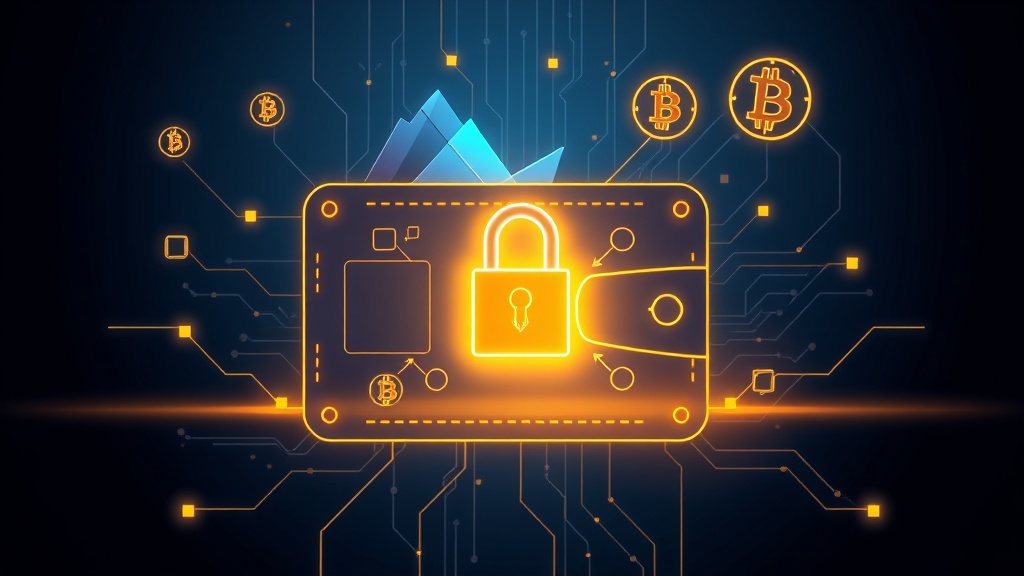
Cryptocurrency wallets are essential tools in the world of digital assets. Rather than physically storing cryptocurrency, they safeguard the “keys” needed to access assets on the blockchain. This article will explore in depth why crypto wallets are so important and how they function through core components such as public keys, private keys, and mnemonic phrases, enabling users to securely send, receive, and manage digital assets. Additionally, the article will introduce different types of crypto wallets and their security features, helping readers better understand and choose the wallet that best suits their needs.





-
A programmer holds 7,002 Bitcoin private keys on a USB drive with only two password attempts remaining, worth approximately $777 million.
Svmuu News: Programmer Stefan Thomas possesses an IronKey encrypted USB drive containing the private keys for 7,002 Bitcoin. These Bitcoin were earned from the educational video “What is Bitcoin?”educ
-
Can Lost Bitcoin Be Recovered? Mechanisms, Cases, and Prevention Measures
Once lost, Bitcoin is extremely difficult to recover, and may even be permanently inaccessible. This is typically due to the loss of private keys, seed phrases, or passwords, given the irreversible nature of blockchain transactions. Globally, millions of Bitcoins are estimated to be permanently lost, exacerbating its scarcity. Nevertheless, in a few cases, such as holding a seed phrase backup or utilizing professional data recovery services, recovery remains possible. This article will delve into the common causes of Bitcoin loss, the conditions and challenges of recovery, and provide effective preventive measures.
-
Decoding the Connection Mechanism of Bitcoin Private Keys, Public Keys, and Wallet Addresses
At the core of the Bitcoin system lies a rigorous cryptographic relationship between private keys, public keys, and wallet addresses. The private key is the ultimate credential for controlling Bitcoin and must be kept strictly confidential; the public key is derived unidirectionally from the private key and can be publicly used to verify transactions; and the wallet address is a simplified form of the public key after hashing and encoding, making it easy to share for receiving funds. These three elements form an interconnected, unidirectionally irreversible system that collectively ensures the security of Bitcoin transactions and the certainty of asset ownership. The article will also explore the evolution of different address formats and the efficiency improvements they bring.
-
Can Cold Wallet Addresses Be Made Public? An In-depth Analysis of Security and Use Cases
A cold wallet address (public key) is similar to a bank account number and can be safely disclosed for receiving cryptocurrency. However, unlike a bank account number, the private key or seed phrase is crucial for controlling assets and must be kept strictly offline and confidential, never to be disclosed. This article will elaborate on the difference between an address and a private key, the security principles of public addresses, common uses, and the core role of cold wallets in asset protection, helping readers correctly understand and safely manage digital assets.
-
Lost Private Key: Can Bitcoin Still Be Transferred? In-depth Analysis and Risk Prevention
A Bitcoin private key is the sole credential for controlling digital assets; once lost, it usually means the Bitcoin cannot be transferred out and becomes "silent assets" inaccessible on the blockchain. Due to Bitcoin's decentralized nature, there is no central authority to assist with recovery. It is estimated that millions of Bitcoins worldwide have been permanently lost this way, which has, to some extent, exacerbated its scarcity. While professional recovery services exist, their success rate is extremely low and costs are high. Therefore, properly safeguarding private keys and seed phrases is a critical responsibility for every Bitcoin holder.
-
Bitcoin Permanently Lost: The Truth Behind the $10 Billion Rumor and Actual Quantity Estimates
The statement "10 billion USD in Bitcoin permanently lost" often conflates "permanent loss" due to inaccessible funds from lost private keys with other types of losses caused by scams, hacking, or market volatility. As of early 2025, analysts estimate that approximately 2.3 million to 4 million Bitcoin are permanently inaccessible due to lost private keys, including about 1.1 million held by Satoshi Nakamoto. These lost Bitcoin increase the scarcity of the remaining circulating supply but represent significant losses for individuals.
-
Securing Your Bitcoin Account: A Comprehensive Guide from Private Keys to Hardware Wallets
Bitcoin's decentralized nature grants users complete control over their assets but also entails full responsibility for security. This article delves into key strategies for protecting Bitcoin accounts, including proper custody of private keys and seed phrases, the selection and risk assessment of cold storage (hardware wallets) versus hot wallets, the application of multi-signature, and daily security measures such as two-factor authentication and anti-phishing attacks. Given the frequent cryptocurrency security incidents in 2026, such as the Liquid Network and Coldcard vulnerabilities, understanding and implementing these protective measures is crucial for safeguarding your digital assets.
-
Bitcoin Addresses and Private Keys: The Generation Principle From Random Numbers to Tradable Assets
The cornerstone of Bitcoin's security lies in its private key and address generation mechanism. A private key is a massive 256-bit random number, from which a public key is unidirectionally derived using elliptic curve cryptography. A series of hashing and encoding steps then generate the Bitcoin address. This process ensures the unique and unforgeable ownership of funds, while the evolution of address formats has also improved transaction efficiency and privacy. Understanding these fundamental principles is crucial for comprehending Bitcoin's security model.
-
Bitcoin Public and Private Keys: The Core Mechanism of Digital Asset Security
Bitcoin's public and private keys are the cornerstone of its security and ownership system. The private key is a randomly generated 256-bit number used to sign transactions to prove asset ownership, and its security is paramount. The public key is derived unidirectionally from the private key through elliptic curve cryptography, and further generates the Bitcoin address used to receive funds. Understanding and properly safeguarding private keys is crucial for users to manage their digital assets.
-
An In-Depth Analysis of the Importance and How Cryptocurrency Wallets Work
Cryptocurrency wallets are essential tools in the world of digital assets. Rather than physically storing cryptocurrency, they safeguard the “keys” needed to access assets on the blockchain. This article will explore in depth why crypto wallets are so important and how they function through core components such as public keys, private keys, and mnemonic phrases, enabling users to securely send, receive, and manage digital assets. Additionally, the article will introduce different types of crypto wallets and their security features, helping readers better understand and choose the wallet that best suits their needs.
Private Key

24H Trending
-
1
Jensen Huang Responds to AI Compute Investment Anxiety: Backs CoreWeave, Says Market Misreads Compute Demand
-
2
AI Data Center Debt Crisis Worsens: Australia's Firmus Withdraws A$44 Billion IPO, CoreWeave Bond Yields Near 15%
-
3
Basic Attention Token (BAT): Current Status and Future Development Prospects Analysis

-
4
Goldman Sachs Warns: Hedge Funds Liquidate Nearly Two Years of Net AI Stock Purchases in One Week, Deleveraging May Have Just Begun
-
5
Bridgewater Associates: Global Interest Rate Hikes Driven Not Just by Oil Prices, But by Capital Market Repricing Due to Asset Supply
-
6
Russian Finance Minister Attends G20 Meeting, US Invitation Draws Discontent from European Allies, Meeting Fails to Issue Joint Communiqué
-
7
Enigma (ENX) Token Value Analysis and Long-Term Investment Considerations: Multi-Project Disambiguation

-
8
AI Unicorn Anthropic's Credit Rating Revealed: KBRA Assigns BB+, the Highest Junk Bond Rating
-
9
Jupiter Asset Management's Harry Richards Shuns US Treasuries, Sold Holdings Around May, Sees Better Opportunities in UK and New Zealand Bonds
-
10
Musk reposts Tesla tweet detailing Roadster's multiple innovative features
Markets Today





Recommended Reading

Hot Topics

Svmuu focuses on blockchain industry trends and cutting-edge cryptocurrency news, while also covering real-time market data and in-depth analysis of the Hong Kong, U.S., and foreign exchange markets. Here, you can not only access professional 24/7 news updates and accurate market data, but also utilize practical investment tools to help you capitalize on opportunities in both digital assets and traditional financial markets. Whether you are a blockchain enthusiast or an investor in Hong Kong, U.S., or foreign exchange markets, we provide efficient and timely information services to empower your investment decisions.
- User Agreement
- Privacy Policy
- Contact Us
- Business Partnerships
- Disclaimer
- Content Statement
- About Us
- Sitemap
 Coming Soon!
