



Introduction to TON Blockchain
TON (The Open Network) is a decentralized first-layer (Layer 1) blockchain network originally conceived and developed by the Telegram team. Although Telegram withdrew in 2020 due to regulatory reasons, the TON project was taken over by the community and continues to evolve. Its core vision is to build an open, decentralized internet capable of handling millions of users and transactions, offering fast and low-cost services. TON's native token, Toncoin, was renamed to GRAM on June 15, 2026, with no token migration or swap required.
Multi-chain Architecture and Dynamic Sharding
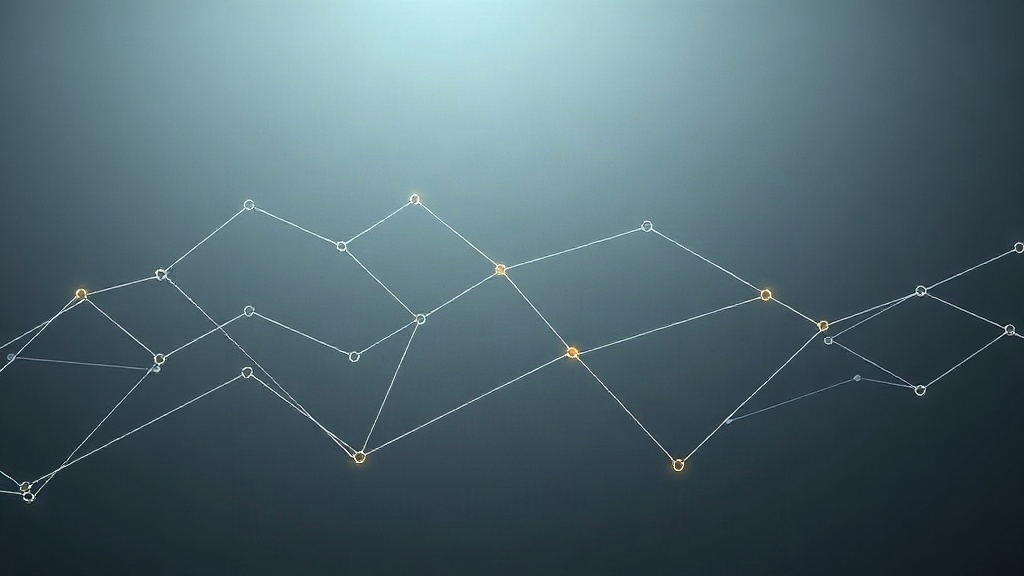
TON Blockchain adopts a unique multi-chain architecture designed for exceptional scalability:

- Masterchain: As the backbone of the network, it stores core protocol parameters, validator sets, staking information, and workchain hashes, maintaining the global state and consensus of the entire network.
- Workchains: These are independent, parallel blockchains that can have their own rules, token standards, and smart contract environments. They allow the TON ecosystem to support diverse application scenarios, such as different virtual machines or token economic models.
- Shardchains: Each workchain can be further subdivided into multiple shardchains. One of TON's core innovations is its "Infinite Sharding Paradigm," where the network can dynamically split workchains into smaller shards based on transaction load and merge them when the load decreases. This dynamic sharding mechanism is key to TON achieving its goal of millions of transactions per second (TPS), aiming to increase throughput to 100,000+ TPS by 2028.
Consensus Mechanism and Virtual Machine
- Proof-of-Stake (PoS) Consensus: TON employs a Proof-of-Stake (PoS) consensus model. Validators participate in block production and finalization by staking GRAM tokens, thereby ensuring network security and decentralization. The PoS mechanism is more energy-efficient than Proof-of-Work (PoW).
- Catchain BFT: TON also integrates the Catchain BFT (Byzantine Fault Tolerance) consensus mechanism, which helps achieve sub-second block finality, significantly speeding up transaction confirmation.
- TON Virtual Machine (TVM): TVM is a stack-based virtual machine specifically designed to execute smart contracts on the TON blockchain. It is designed for efficiency and scalability, primarily supporting the FunC programming language. Although TVM is not compatible with Ethereum Virtual Machine (EVM), the TON community is exploring EVM compatibility through solutions like TAC to attract a broader developer ecosystem.

Smart Contracts and Telegram Integration
- Smart Contracts: Smart contracts on TON run on TVM and adhere to the platform's account and message model. Each smart contract instance is a fundamental atomic unit within the blockchain, possessing its own address, code, and data. Contracts communicate via asynchronous messages, a design that enhances parallel processing capabilities and overall efficiency.
- Deep Integration with Telegram: TON's deep integration with the globally popular Telegram messaging app provides it with a potential user base of nearly a billion. Users can send cryptocurrencies directly within Telegram chats, use built-in Web3 applications, and access TON wallets. This seamless integration significantly lowers the barrier to entry for Web3, serving as a major driver for the growth of the TON ecosystem.
Recent Developments and Ecosystem

The TON ecosystem continues to evolve, with several recent advancements:
- Infrastructure Upgrades: According to TON Strategy Company, the TON ecosystem underwent infrastructure improvements in data storage, access, and delivery in July 2026. The redesigned indexed blockchain data architecture has increased recent data query speeds by 2-4 times, while developer infrastructure has expanded with new API support for staking pools and validator operations, and underlying servers have been upgraded for improved performance and reliability.
- TON Teleport BTC: The TON Teleport BTC whitepaper, published in November 2024, aims to build a bridge connecting the Bitcoin and TON ecosystems, enabling seamless cross-chain transactions and further enhancing TON's interoperability.
- Ecosystem Projects: The TON ecosystem encompasses a wide range of decentralized applications and services, including TON Storage (decentralized file sharing), TON DNS (human-readable naming service), TON Proxy (private access and censorship resistance), TON Sites (Web3 website hosting), TON Payments (fast payments), TON Connect (dApp and wallet integration), and non-custodial wallets like Tonkeeper. Additionally, decentralized exchanges (DEXs) such as STON.fi and DeDust, and lending protocols like EVAA, enrich TON's DeFi landscape.
- Partnerships and Investments: Tether announced the issuance of USDt stablecoin on TON in April 2024, bringing significant liquidity to the ecosystem. Bitget also invested $30 million in the TON blockchain in March 2025, demonstrating industry recognition of TON's potential.

With its innovative technical architecture and unique integration with Telegram, the TON blockchain is striving to achieve its ambitious vision of becoming a "decentralized internet."









