Securely Setting Up a Hardware Cold Wallet
Hardware cold wallets are the gold standard for crypto asset storage, providing the highest level of security for user assets by storing private keys offline in a physical device. This effectively protects against cyberattacks, malware, and phishing scams. For seasoned investors who HODL large amounts of crypto assets, transferring assets from centralized exchanges to a cold wallet is a crucial strategy for protecting core holdings.
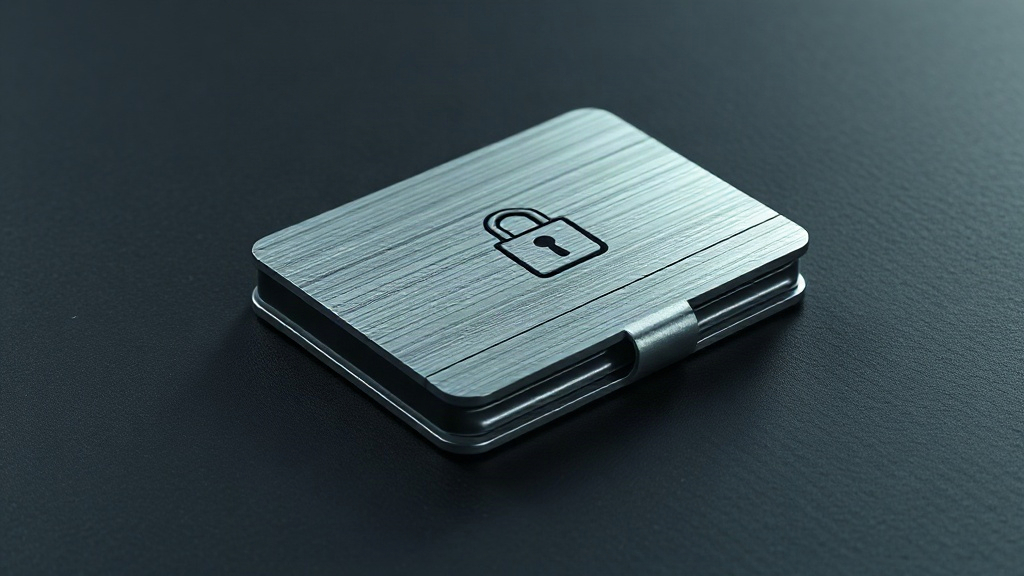
Major hardware wallet brands include Ledger, Trezor, SafePal, imKey, Keystone, and OneKey. These devices are typically managed through accompanying desktop or mobile applications (e.g., Ledger Live) and support various network assets such as Bitcoin, Ethereum (ERC20), and BNB Smart Chain (BEP20).
The general process for transferring assets from the Binance platform to a cold wallet includes:
- Generating and obtaining the receiving address for the corresponding cryptocurrency and network within the hardware wallet's management software.
- Selecting the appropriate cryptocurrency and withdrawal network on the Binance platform.
- Entering the cold wallet's receiving address and withdrawal amount to complete the withdrawal operation.
Important Note: To ensure asset security, always purchase hardware wallets through official channels and strictly follow instructions to back up your seed phrase, storing it securely, offline, and in a hidden location. The seed phrase is the sole credential for recovering your wallet; if lost or compromised, your assets will be at risk.

Connecting MetaMask Wallet to BNB Smart Chain
MetaMask (also known as "Little Fox Wallet") is a popular browser extension and mobile application wallet, originally designed for the Ethereum ecosystem. However, with simple custom network settings, MetaMask can connect to other EVM-compatible blockchains such as BNB Smart Chain (BSC, now rebranded as BNB Chain), becoming a convenient portal for users to interact with decentralized applications (dApps).
Steps to connect MetaMask to BNB Smart Chain typically involve:

- Downloading and installing the MetaMask browser extension or mobile application.
- Creating a new wallet or importing an existing one.
- Manually adding BNB Smart Chain network parameters in MetaMask settings, including the mainnet RPC URL, Chain ID, Symbol, and Block Explorer URL.
MetaMask itself has not experienced large-scale security vulnerabilities at a technical level, but users still need to be wary of phishing scams, malicious website authorizations, and properly safeguard their seed phrase and private keys.
Exploring the BNB Chain Ecosystem and Applications

BNB Smart Chain (BSC, now known as BNB Chain) is a high-performance blockchain platform that runs in parallel with Binance Chain and is compatible with the Ethereum Virtual Machine (EVM), supporting smart contract functionality. BNB Chain is known for its low transaction fees and fast transaction speeds. Since its launch in 2020, its ecosystem has grown rapidly, attracting a large number of decentralized applications (dApps).
The BNB Chain ecosystem covers a wide range of DeFi (decentralized finance), NFT (non-fungible token), and GameFi (blockchain gaming) projects. Among them, decentralized exchanges (DEXs) are a core component, such as PancakeSwap and Biswap. Additionally, the ecosystem includes various DeFi aggregators, lending platforms, and innovative NFT and GameFi projects.
BNB is the native token of BNB Chain and plays a key role in the ecosystem, primarily used to pay transaction fees (Gas fees) on BNB Chain. BNB's initial supply was 200 million, and its total supply is gradually reduced through regular burning mechanisms. As of July 2023, BNB's circulating market capitalization was approximately $37.7 billion. As of September 18, 2026, BNB Smart Chain's daily transaction volume reached 17.40M.
Security Management and Risk Warnings

Whether using hardware cold wallets or hot wallets like MetaMask, users should always prioritize security. For long-term storage and core assets, cold wallets are the superior choice; while MetaMask offers convenience for daily DeFi interactions and dApp exploration. Users should regularly review wallet authorizations, avoid clicking on suspicious links, and remain highly vigilant about any information requesting private keys or seed phrases.