



stETH: The Cornerstone of Ethereum Liquid Staking
stETH (Staked Ether) is a liquid staking token issued by the Lido Finance protocol, representing ETH staked by users on the Ethereum Beacon Chain. It aims to solve the liquidity lock-up problem of traditional Ethereum staking, allowing users to flexibly use their staked assets while earning staking rewards. The stETH balance is updated daily to reflect earned staking rewards, a mechanism known as "rebase."
To accommodate DeFi protocols that are incompatible with rebase tokens, Lido also introduced wstETH (wrapped stETH). The number of wstETH tokens remains constant, but its unit value grows with the rewards accumulated by the underlying stETH, enabling broader integration into various decentralized finance applications.

Continuous Development and Decentralization Efforts of the Lido Protocol
Lido DAO, as the decentralized autonomous organization governing the Lido protocol, is actively promoting several upgrades to enhance the protocol's security and decentralization. For example, Lido DAO plans to launch Lido Lend in Q4 2026, a decentralized lending protocol based on Morpho Blue, designed to serve leveraged staking borrowers.
In terms of decentralization, Lido has distributed staked Ethereum across more than 900 node operators, ensuring that no single operator holds more than 1% to reduce centralization risk. The protocol has also continuously invested over $4 million in smart contract audits and received an A+ security rating from independent firms. Additionally, Lido DAO deployed an LDO auto-buyback mechanism in Q2 2026, aiming to link protocol revenue to the value of LDO tokens.
Market Performance and Historical Review
As of October 21, 2026, the price of stETH ranged from approximately $2,382.39 to $2,445.19, with a 24-hour trading volume of about $10.77 million to $33.82 million. Its circulating supply is close to 9.67 million to 9.68 million tokens, with a total market capitalization of approximately $23.06 billion to $23.628 billion. The total value locked (TVL) of the Lido protocol was approximately $25 billion on October 7, 2026, data which can be viewed on market platforms like Svmuu.
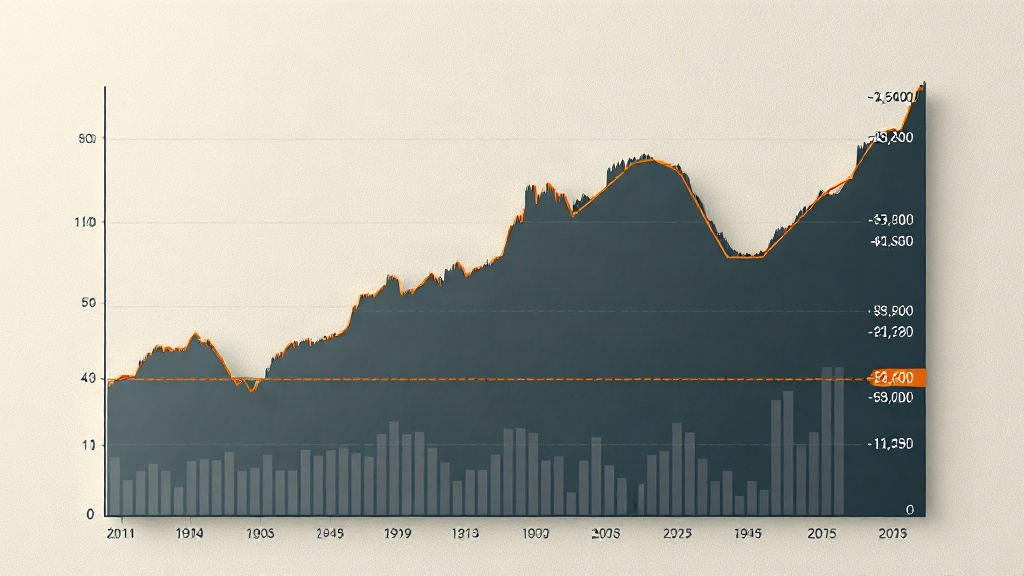
Notably, stETH experienced a brief de-pegging from ETH in June 2022, primarily due to Celsius selling stETH for liquidity and broader market turmoil at the time. This event exposed multiple risks including liquidity, yield, credit, and technical issues, but with the completion of the Ethereum Merge and the implementation of withdrawal functionality, stETH's market performance has stabilized.
Future Prospects of stETH
Despite historical challenges, the market generally believes that as the Ethereum network infrastructure continues to mature, especially with the full implementation of withdrawal functionality, the long-term outlook for stETH will stabilize. Liquid staking, as a way to improve capital efficiency, is expected to attract more users and institutions to participate in Ethereum's staking ecosystem.
The Lido protocol, through continuous governance upgrades, decentralization efforts, and the launch of new products (such as Lido Lend), aims to further solidify its position in the liquid staking sector. Analysts and research institutions generally recognize the value of liquid staking but also consistently emphasize its potential liquidity, yield, credit, and technical risks, advising investors to conduct thorough risk assessments before participating.
Trading and Acquisition
stETH can be traded on major decentralized and centralized exchanges that support the Ethereum ecosystem. Users can obtain stETH by staking ETH or by purchasing it directly on the secondary market. wstETH can be used in a wider range of DeFi protocols to participate in lending, liquidity mining, and other activities.









