



Larix (LARIX) Project Overview and Core Mechanisms
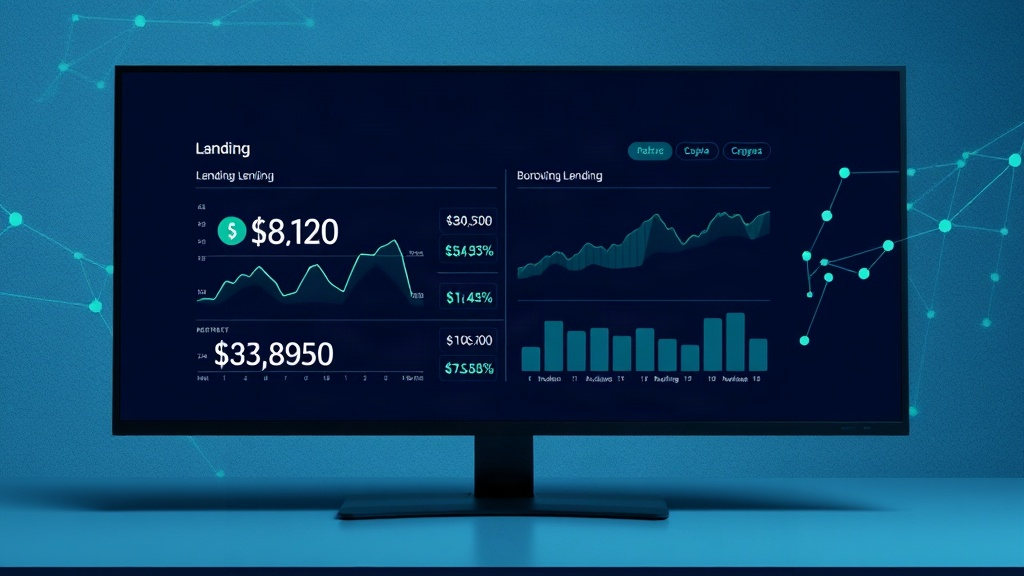
Larix (LARIX) is a decentralized lending protocol built on the Solana blockchain, with a vision to become the "ultimate lending gateway" and "metaverse financial protocol." The project was founded by Igor Rybakov and Oskar Hartmann in 2021 and launched in the same year. Larix's core mechanism lies in its dynamic interest rate model, designed to optimize capital efficiency and support a wide range of collateral types through risk management pools. These collateral types include not only traditional crypto tokens and stablecoins but also extend to synthetic assets, NFTs, and even future real-world assets such as receivables, invoices, and mortgages.
Historical Development and Early Success
Shortly after its launch in September 2021, Larix achieved significant success, with its Total Value Locked (TVL) once exceeding $520 million, making it one of the largest lending platforms on the Solana chain. In September of the same year, the LARIX token successfully underwent an Initial Exchange Offering (IEO) simultaneously on platforms such as Gate.io, MEXC, and BitMart. Furthermore, Larix established strategic partnerships with prominent Web3 wallets like MathWallet, Coin98, and Slope, and received support from numerous early investors including Solana Capital and Huobi Venture. The project has undergone independent audits and continued to receive updates and improvements until September 2022, solidifying its position in the DeFi space.
LARIX Tokenomics and Current Market Performance
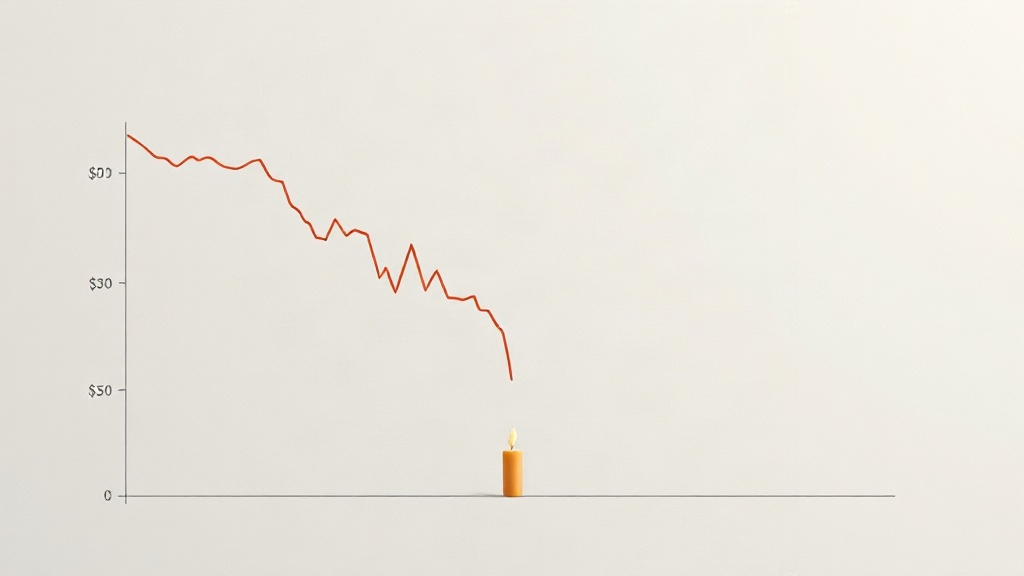
The total supply of LARIX tokens is 10 billion, and its tokenomics model aims to foster actual demand through continuous incentive distribution. However, as of October 22, 2026, LARIX's market performance faces severe challenges. Its current price is approximately $0.00001771, with a 24-hour trading volume of only about $394.77. The Fully Diluted Valuation (FDV) is approximately $176,796, but the circulating supply is reported as 0, resulting in a market capitalization also displayed as 0. This inconsistency in data indicates extremely low market liquidity and a lack of transparency regarding the token's actual circulation. Larix's all-time high price reached $0.10623 (September 29, 2021), while its all-time low occurred on February 6, 2026, at $0.00001435. Currently, Larix's Total Value Locked (TVL) is approximately $1.21 million, ranking 120th among lending protocols tracked by DeFiLlama, accounting for less than 0.1% of the total TVL in this category.

Trading Channels and Risk Warning
Given the current low trading volume and market activity of the LARIX token, its trading market is almost depleted, lacking effective transactions. According to market platforms such as Svmuu, the token can be traded on decentralized exchanges (DEXs) like Raydium and Orca, with LARIX/USDC being a relatively active trading pair. However, extremely low liquidity means users may face significant slippage and difficulty in executing trades. Coinbase currently does not offer LARIX trading services. Investors must conduct thorough market research and risk assessment before considering participation in any such low-liquidity asset trading.
Future Development Prospects Analysis
Larix showed immense potential in the early Solana ecosystem, but its current low TVL, extremely low trading volume, and abnormal circulating supply data pose significant challenges to its future development. Although the project has passed technical audits and supports various collateral types, to regain market confidence and achieve its vision of becoming the "ultimate lending gateway," Larix needs to address core issues such as insufficient liquidity, declining user engagement, and ineffective tokenomics incentives. Future development will depend on its ability to effectively attract new users and capital, increase the actual utilization of the protocol, and restore market confidence in its token. In the current market environment, Larix faces fierce competition, and its path to recovery is full of uncertainty.
The platform information for sale in the article changes with the listing and delisting dynamics of various exchanges. Please refer to the official announcements of the exchanges.









