



What is sBTC?
sBTC is an innovative Bitcoin-backed asset that operates on the Stacks Layer 2 (L2) blockchain, maintaining a 1:1 peg with Bitcoin (BTC). Its core objective is to enable users to lock Bitcoin from the Bitcoin mainnet (L1) to Stacks L2, thereby leveraging Bitcoin's value within decentralized finance (DeFi) protocols, lending platforms, and automated market makers (AMMs) within the Stacks ecosystem. Stacks itself is a Bitcoin Layer 2 solution dedicated to bringing smart contract and scalable decentralized application (dApp) functionalities to Bitcoin while inheriting its underlying security.
How sBTC Works
sBTC's operation relies on a decentralized, trust-minimized two-way peg mechanism. When users wish to use sBTC on Stacks L2, their Bitcoin is locked in a Bitcoin peg wallet managed by a decentralized network of signers. Concurrently, an equivalent amount of sBTC is minted on the Stacks blockchain. This signer network is responsible for the protocol's security, requiring 70% consensus to approve transactions, ensuring decentralized custody of assets rather than control by a single entity. This design allows sBTC to unlock more potential for Bitcoin beyond just a store of value, enabling it to participate in a wider range of Web3 applications.

Market Performance and Supply
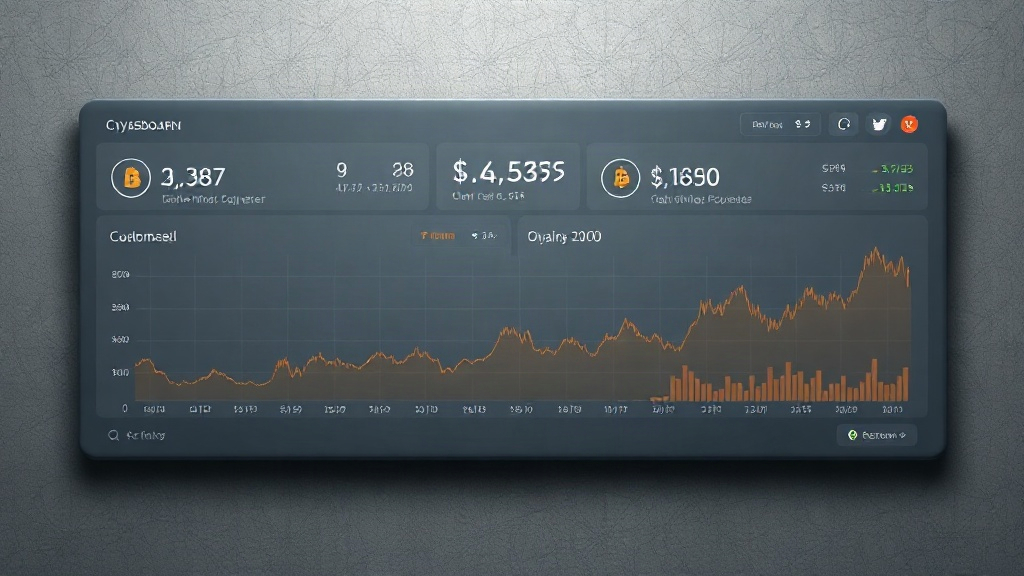
As of October 20-21, 2026, sBTC market data shows its price ranging from approximately $81,283.00 to $83,944.00, with a total market capitalization of about $202.34 million to $209.11 million. Over the past 24 hours, sBTC's trading volume was approximately $385,042 to $530,210. In terms of historical prices, sBTC reached an all-time high of $209,313 on October 17/18, 2025, and an all-time low of $40,224.46 on May 25/26, 2026.
The supply of sBTC is dynamic. Its circulating supply and total supply are both currently around 2,490 SBTC. Unlike many cryptocurrencies with a fixed maximum supply, sBTC's maximum supply is typically marked as "unlimited" or unspecified, indicating that its supply is not capped in the traditional sense but rather changes in response to Bitcoin deposits and withdrawals between L1 and L2.
Trading Platforms and Official Resources
For users looking to trade sBTC, the token is available on centralized cryptocurrency exchanges and decentralized exchanges (DEXs). Currently, Bitflow and MEXC are platforms that support sBTC trading. Additionally, users can swap sBTC on DEXs through tools like the Binance Web3 Wallet, but it's important to note that sBTC is not listed on the Binance exchange (CEX). Users can check relevant developments and real-time market data on information platforms like Svmuu.
The sBTC project is closely linked to the official Stacks website (www.stacks.co). Users can interact with the sBTC protocol via the sBTC Dashboard and perform operations such as minting sBTC, further participating in the Stacks ecosystem.
sBTC's Ecosystem Role and Vision
The launch of sBTC is a significant milestone in the development of the Stacks ecosystem, aiming to fully unleash Bitcoin's potential, allowing it to function not just as a store of value but also as an active asset participating in decentralized applications and financial activities. The Stacks Core Engineering team and other ecosystem developers have contributed to the development of sBTC. Through sBTC, Bitcoin users can securely and decentrally bring their assets into Stacks L2, thereby participating in the broader Web3 world and driving innovation and application of Bitcoin in the DeFi sector.
The platform information for sale in this article changes with the listing and delisting dynamics of various exchanges. Please refer to the official announcements of the exchanges.









