What is a Cryptocurrency Address?
Cryptocurrency addresses are unique strings of letters and numbers used to receive, send, and store digital assets on a blockchain network. They are similar to bank account numbers in traditional finance, serving as a key identifier for fund transfers.
- Generation Principle: Addresses are generated through a pair of cryptographic keys. The private key must be kept strictly confidential and is used to sign transactions to prove asset ownership; the public key is derived from the private key and used to generate the public receiving address.
- How It Works: When you need to receive cryptocurrency, simply share your address with the sender. The sender uses this address to direct funds to your wallet, and the transaction is then broadcast to the blockchain network for verification and recording.
- Format Diversity: Different blockchain networks use different address formats. For example, Bitcoin addresses often start with "1", "3", or "bc1", while Ethereum addresses begin with "0x".
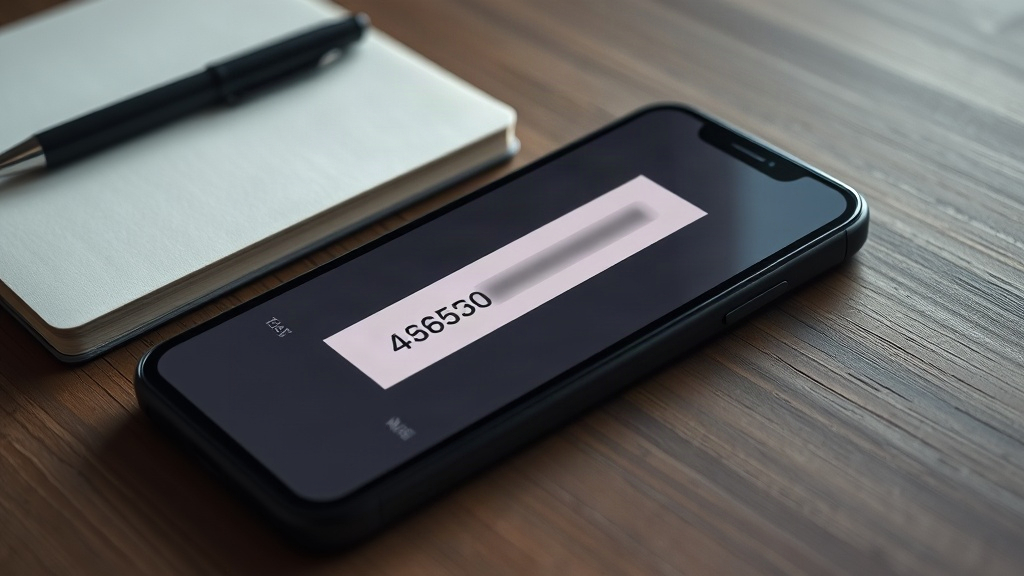
Key Considerations: When making transfers, always double-check the address and select the correct blockchain network, as cryptocurrency transactions are generally irreversible. Additionally, distinguish between account names within a trading platform and the actual blockchain address; the two should not be confused.
Downloadable Mainstream Cryptocurrency Trading Platforms
To facilitate asset management for users at any time, most mainstream trading platforms offer mobile (iOS/Android) and desktop (Windows/macOS/Linux) applications. These applications typically integrate functions such as buying, selling, trading, staking, and portfolio management.
Here are some widely used platforms globally and their overviews:
- Coinbase: Known for its user-friendly interface, often recommended for beginners. The platform supports trading various cryptocurrencies such as Bitcoin, Ethereum, XRP, and Solana.
- Kraken: Offers a rich set of trading tools and advanced crypto features, suitable for experienced traders.
- Crypto.com: According to its official information, the platform has a large global user base and supports over 350 cryptocurrencies.
- MEXC: Another global trading platform, reportedly serving numerous countries and regions.
Security and Fees: These applications themselves are free to download and use for basic functions, but they charge transaction fees, often in the form of fixed commissions or a percentage of the transaction value. When choosing a platform, users should pay attention to its security measures, such as multi-factor authentication (MFA), biometric login, and whether it provides proof of reserves.
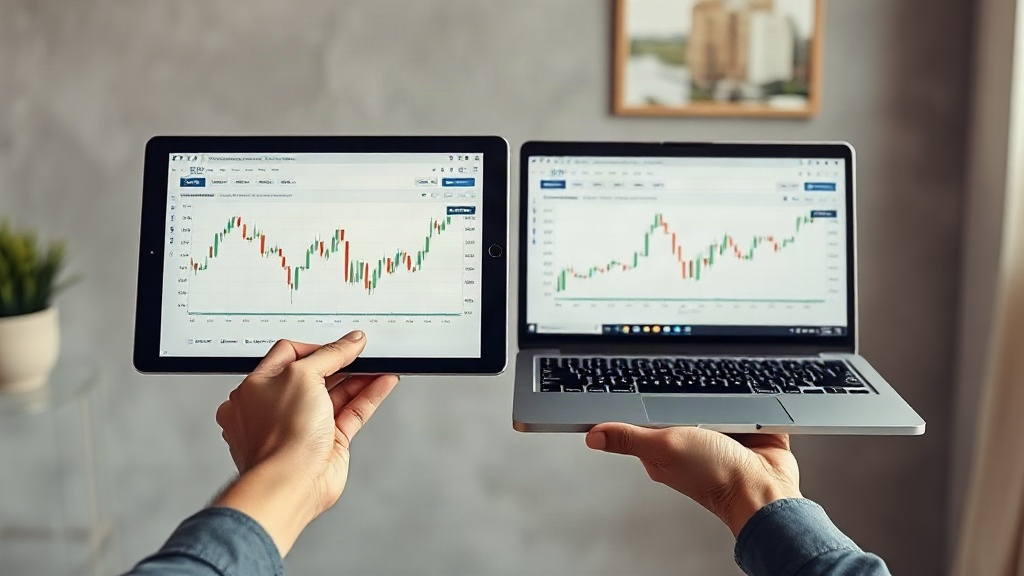
Wallet Applications: In addition to comprehensive trading platforms, there are dedicated wallet applications like Exodus and Ledger Wallet, which focus on secure asset storage and management, supporting thousands of tokens.
When choosing platforms and applications, users should consider their compliance, supported assets, fee structure, security features, and applicability in their jurisdiction.