Bitcoin Futures Overview and Trading Fundamentals
Bitcoin futures are financial derivatives that allow traders to speculate on the future price movements of Bitcoin (BTC) without actually holding the cryptocurrency. Through futures contracts, traders can choose to "go long" (expecting prices to rise) or "short" (expecting prices to fall), thereby profiting from price fluctuations. Leverage is a core feature of Bitcoin futures trading, amplifying potential gains but also significantly increasing the risk of losses, which can even lead to liquidation.
Perpetual contracts are a popular type of Bitcoin futures in the market, characterized by having no fixed expiry date. To maintain the balance between the contract price and the spot price, perpetual contracts incorporate a "funding rate" mechanism. The cryptocurrency market is known for its rapid evolution, thus, trading strategies need to be highly adaptable to remain effective and profitable.
Why Trade Bitcoin Futures?
Bitcoin futures attract various types of market participants:
- Traders/Investors: Primarily use futures for speculation, hedging, and spread trading to capture opportunities from market volatility.
- Bitcoin Miners: Miners can use futures for hedging, securing operational costs and financial stability by locking in future Bitcoin selling prices, thereby mitigating the risk of price declines.
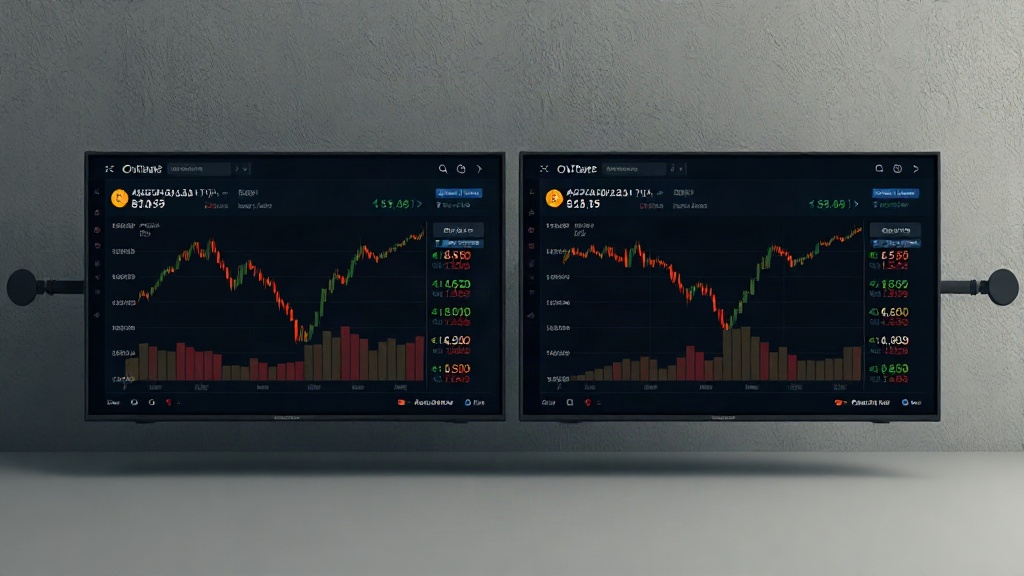
However, Bitcoin futures trading also comes with high returns and high risks. While leveraged trading can improve capital efficiency, it amplifies risk, potentially leading to rapid liquidation. The market also presents risks of scams involving fake trading platforms, impersonating experts, and fraudulent trading strategies, as well as regulatory uncertainties in some countries or regions.
Practical Bitcoin Futures Trading Strategies
Bitcoin futures trading strategies can be categorized into several types:
Directional Strategies
These strategies aim to predict market direction and follow its trend:
- Trend-Following: Identify and trade in alignment with the prevailing market trend. Go long when the market is in an uptrend, and short when it's in a downtrend.
- Swing Trading: Capture short-to-medium-term price fluctuations (typically a few days to several weeks). Traders attempt to buy on price pullbacks and sell at rebound highs.
- Breakout Trading: Enter a trade when the price breaks through key support or resistance levels. Breakouts often signal that the price will continue to move in the direction of the breakout.
- Pullback Accumulation: Enter a trade during an uptrend when the price experiences a minor pullback and forms a higher low. This is seen as an opportunity to buy the dip within a trend.
- Intraday Trading/Scalping: Execute multiple trades within a single day, capturing small price movements. These strategies require quick decision-making and strict risk control.
Market-Neutral and Risk Management Strategies
These strategies aim to reduce reliance on a single market direction or are used for risk management:
- Hedging: Offset the risk of spot holdings by establishing an inverse futures position. For example, an investor holding spot Bitcoin can hedge against potential price drops by shorting Bitcoin futures.
- Arbitrage: Exploit price differences between different exchanges or between spot and futures markets for risk-free or low-risk profit. Traders simultaneously buy the asset where it's cheaper and sell it in the market where it's more expensive.
- Spreading/Basis Trading: Simultaneously buy and sell futures contracts with different expiry dates or in different markets to profit from changes in the spread, such as a Calendar Spread.
- Funding Rate Arbitrage: Exploit funding rate differences in perpetual contracts for arbitrage. When the funding rate is positive, short the perpetual contract and simultaneously go long on the spot asset; when the funding rate is negative, reverse the operation.
Other Trading Methods
- Dollar-Cost Averaging (DCA): Long-term, regular small purchases to average out the cost. While commonly used in spot markets, it can also be applied to accumulate futures positions over time to smooth out entry costs.
- AI Trading Bots: Utilize algorithms for automated trading, aiming to eliminate emotional interference, improve execution efficiency, and strategy consistency.
Risk Management is Crucial
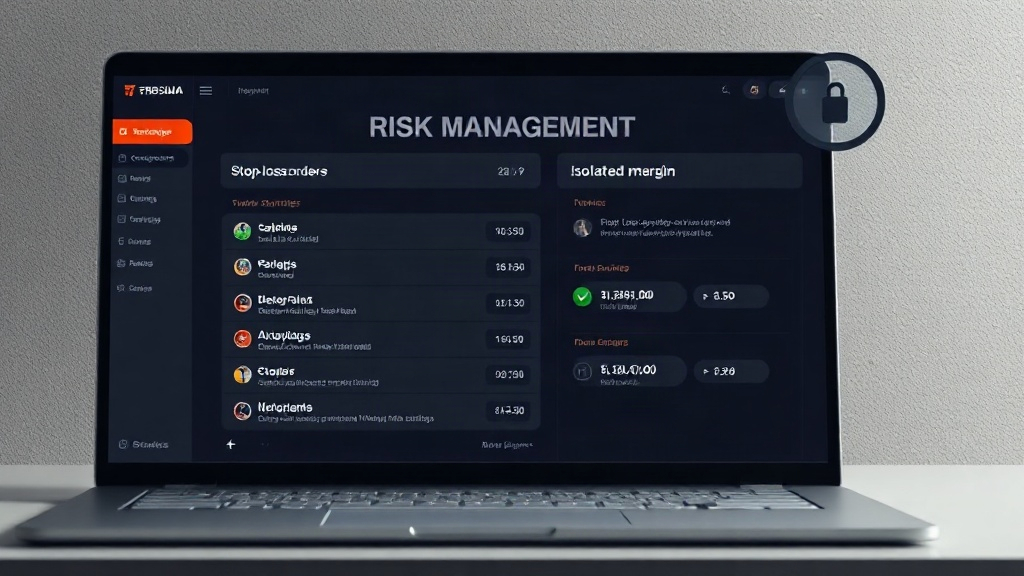
Regardless of the strategy employed, risk management is paramount in Bitcoin futures trading. Due to the presence of leverage, market volatility can lead to rapid capital loss. Effective risk management measures include:
- Setting Stop-Loss: Pre-set a loss limit, automatically closing the position when the price reaches the stop-loss level to limit potential losses.
- Isolated Margin: Separate funds used for futures trading from other assets in the account to prevent futures losses from affecting all funds.
- Controlling Leverage Multiplier: Choose an appropriate leverage multiplier based on your risk tolerance, avoiding over-leveraging.
- Diversification: Avoid committing all funds to a single contract or strategy.
Bitcoin Futures Trading Platforms
Several major global cryptocurrency exchanges and traditional financial institutions offer Bitcoin futures trading services. These platforms include CME (Chicago Mercantile Exchange), Binance, OKX, BTCC, XT.com, Mitrade, Kraken, and Gate.io, among others. Traders should choose compliant and reputable platforms based on their needs and local regulatory policies.
The information on platforms mentioned in the article is subject to change as exchanges list and delist products; please refer to official exchange announcements.