NVIDIA GPU Mining: Definition and Rise
"N-card mining" specifically refers to the activity of "mining" cryptocurrencies using graphics processing units (GPUs) produced by NVIDIA Corporation. Due to their powerful parallel computing capabilities in handling the complex hash calculations required for cryptocurrency mining, GPUs are far more efficient than traditional central processing units (CPUs), thus quickly becoming the primary equipment in the cryptocurrency mining field. As early as October 2010, the release of the first GPU mining software marked the official arrival of the GPU mining era.
Technological Evolution and NVIDIA's Response Strategies

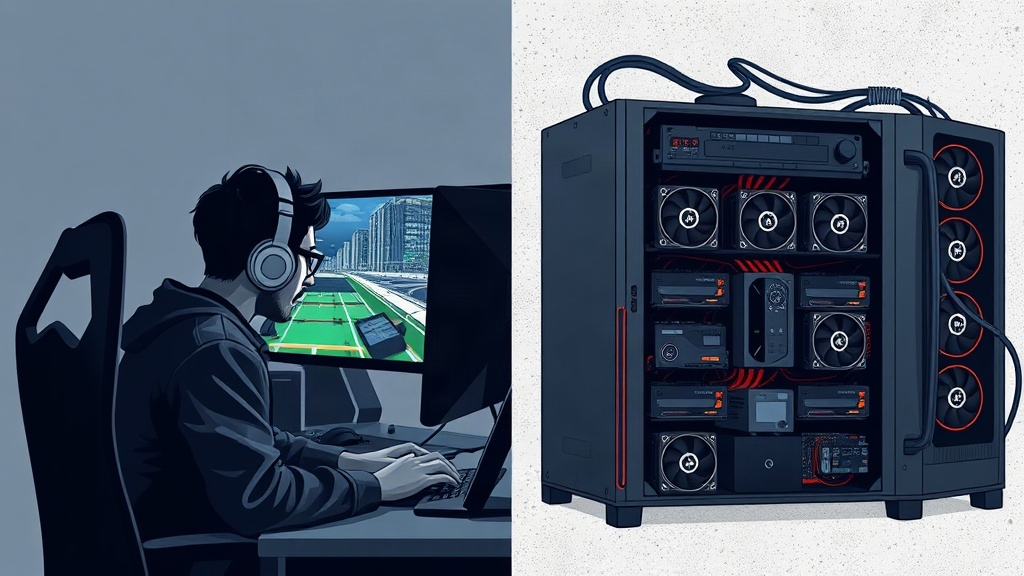
With the rise of the cryptocurrency mining craze, demand for high-performance GPUs surged, leading to tight graphics card supply and soaring prices, which caused strong dissatisfaction among gamers. To address this situation, NVIDIA took a series of measures in 2021:
- LHR (Lite Hash Rate) Graphics Cards: In February 2021, NVIDIA first introduced LHR technology with the launch of the RTX 3060 graphics card. This technology aimed to limit the graphics card's performance in Ethereum mining by approximately 50% to ensure more products were available to gamers. Subsequently, LHR technology was extended to multiple models in the RTX 30 series, including the 3060 Ti, 3070, and 3080.
- CMP (Cryptocurrency Mining Processor) Dedicated Mining Cards: Concurrently, NVIDIA also launched the CMP series of dedicated mining processors. These products lacked display output capabilities and were optimized specifically for mining tasks, aiming to improve mining performance and efficiency, and enhance airflow in dense mining rig environments.
However, miner developers gradually found ways to bypass LHR restrictions. By April 2022, the mining performance of LHR V2 graphics cards could be restored to approximately 80%. Ultimately, with Ethereum's transition to the Proof-of-Stake (PoS) mechanism, NVIDIA completely removed LHR restrictions in October 2022.
The Ethereum "Merge": A Turning Point for the GPU Mining Era
On September 15, 2022, the Ethereum mainnet successfully completed "The Merge," transitioning from Proof-of-Work (PoW) to Proof-of-Stake (PoS). This historic event marked the effective end of large-scale graphics card mining for Ethereum, as the PoS mechanism no longer requires graphics cards for complex hash calculations to validate transactions and generate new blocks. The Ethereum co-founder stated that "The Merge" would reduce global electricity consumption by 0.2%, and the Ethereum network's power consumption is expected to decrease by 99.65%, demonstrating significant progress in energy optimization.
Market Impact and Various Perspectives
The Ethereum "Merge" had a profound impact on the GPU market:
- Mining Card Inflow and Price Fluctuations: After the Merge, a large number of graphics cards previously used for mining (commonly known as "mining cards") flooded the secondary market, leading to a significant drop in graphics card prices. For example, the price of the RTX 3070 fell from approximately 6299 RMB on February 28, 2022, to about 3899 RMB on September 20, even dropping below its initial launch price. In NVIDIA's Q2 2022 earnings report, revenue from mining chips (CMP) categorized under "OEM and other" business decreased by 66% year-over-year, reflecting a significant reduction in mining business contributions.
- NVIDIA's Strategy Adjustments: As a GPU manufacturer, NVIDIA had reaped substantial profits during the mining boom but also faced complaints from gamers about product shortages. The company attempted to balance market demand through its LHR and CMP strategies, but its contribution to the mining business was often vaguely reported in financial statements.
- Cryptocurrency Miners' Dilemma and Transition: After the Ethereum Merge, many miners faced the predicament of idle graphics cards or chose to switch to mining other PoW cryptocurrencies (such as Ethereum Classic, Ravencoin). However, the profitability of these alternative solutions was typically far lower than that of previous Ethereum mining.
- Gamers' "Spring": During the mining craze, gamers struggled to purchase their desired graphics cards due to tight supply and soaring prices. The Ethereum Merge was widely regarded as "gamers' spring," with market supply gradually recovering and prices becoming more reasonable.
- Secondary Market Consumers' Caution: Consumers generally remain cautious about "mining cards" entering the secondary market. Since mining cards typically operate at full load 24/7, this can lead to hardware aging, reduced lifespan, and risks of issues such as black screens or distorted displays. Before trading, it is advisable to check the latest prices and project information on Svmuu and carefully assess the hardware condition.