



Digital currency trading platforms are crucial bridges connecting users to the crypto asset market. Regulatory attitudes towards cryptocurrencies vary significantly across the globe, directly impacting the availability of platform services in different regions. For users seeking trading services, understanding the objective facts of mainstream platforms and complying with local laws is a primary prerequisite.
Overview of Global Mainstream Trading Platforms
Below is a list of some trading platforms with high recognition, liquidity, and user bases globally. Please note that platform availability, features, and supported regions may change over time and due to regulatory requirements, and rankings are not fixed.
- Binance: One of the leading platforms in global trading volume, offering a wide range of spot and derivatives trading, as well as various on-chain services. Its operating entities hold corresponding compliance licenses in different regions.
- Coinbase: Headquartered in the United States, it is a publicly traded company known for its compliance, primarily serving retail and institutional clients in the US and some other regions.
- Kraken: Another established US exchange, also focused on compliance, offering services such as spot and futures trading.
- Bybit: Known for its derivatives trading, it has a user base in multiple global markets and continues to expand into spot trading and other businesses.
- KuCoin: Offers a rich selection of trading pairs, operates in multiple regions globally, and has launched a series of on-chain products.
- HTX (formerly Huobi): Has a long operating history and currently conducts business in multiple jurisdictions worldwide.
- OKX: Provides comprehensive trading products and Web3 Wallet services, with its business targeting the global market.
In addition, platforms such as Bitstamp and Gemini also have stable user bases in specific regions. It is worth noting that Hong Kong, as a special administrative region of China, has established a regulated digital asset framework, and platforms like HashKey Exchange have obtained local licenses.
Key Factors for Platform Selection
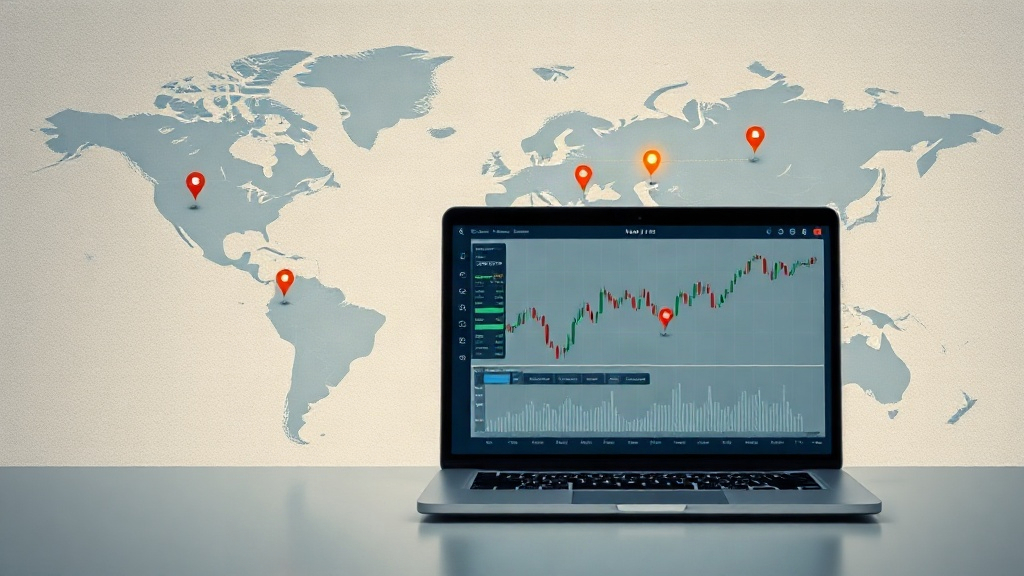
When choosing a trading platform, users should evaluate the following aspects comprehensively, based on their jurisdiction:
- Compliance and Security: Does the platform hold the necessary operating licenses in your region? What is its security history, and what asset protection measures does it employ (e.g., cold storage, insurance)?
- Features and Asset Support: Does the platform support the trading types you need (spot, margin, futures) and the assets you are interested in? Are withdrawal limits and fee structures transparent?
- Liquidity: What is the platform's trading depth? This directly affects the execution price and speed of large orders.
- User Experience and Customer Support: Is the interface user-friendly, and are deposit and withdrawal processes smooth? Can you receive timely and effective customer support when issues arise?
Strict Compliance with Local Laws and Regulations
The regulatory environment for cryptocurrencies is complex and dynamic. Some countries and regions completely prohibit cryptocurrency trading and related services, while others have established clear licensing systems. For example, mainland China has explicitly banned all virtual currency trading activities since September 2021, including overseas exchanges providing services to domestic residents. Therefore, before attempting to use any platform, users must first confirm that their actions comply with local laws and regulations. Using technical means to circumvent regional restrictions not only violates platform terms of service but may also lead to legal and financial risks.
For users in regions where trading is restricted, understanding relevant regulatory policies and assessing potential risks is far more important than seeking trading channels. In regions where regulations explicitly prohibit it, participating in cryptocurrency trading activities may result in account freezing, loss of funds, and even legal consequences.









