Core Mechanisms of the SFI Token and the Saffron.finance Protocol
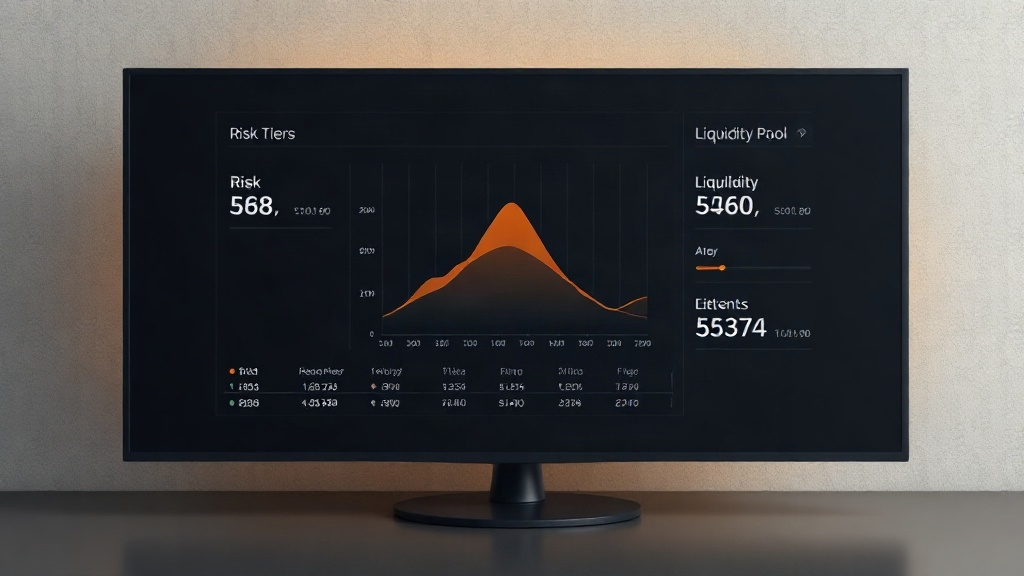
Saffron.finance (SFI) is a protocol operating within the decentralized finance (DeFi) sector, designed to provide liquidity providers (LPs) with risk-adjusted yield strategies. The core mechanism of the protocol is its unique risk stratification system, which allows liquidity pools to be subdivided into distinct risk tiers. These typically include "Tranche A" (senior tranche), which assumes lower risk and holds priority repayment rights, and "Tranche B" (junior tranche), which assumes higher risk in exchange for potentially higher yields. Implemented via smart contracts, this tiered structure aims to help users manage potential losses according to their risk preferences, optimize yields, and enhance capital efficiency in the DeFi market.
Use Cases and Economic Model of the SFI Token
The SFI token is the native governance token of the Saffron.finance protocol. Its core function is to empower the decentralized autonomous organization (DAO); SFI holders can acquire governance rights by staking the token, enabling them to participate in community decisions regarding the protocol's future direction, parameter adjustments, fee structures, and new feature proposals. In terms of supply, the total supply of SFI tokens is capped at 100,000. As a tool focused on yield optimization and risk management, the value of SFI largely depends on the actual adoption rate and ecosystem activity of its protocol within the broader DeFi ecosystem.
Value Evaluation and Long-Term Investment Risks of the SFI Token

Evaluating whether the SFI token is worth a long-term investment requires a rational look at its underlying fundamentals and market limitations. On one hand, Saffron.finance offers sophisticated risk management tools for DeFi liquidity providers through risk stratification, and its smart contracts have undergone audits by organizations such as Quantstamp and Fairyproof. On the other hand, SFI is a relatively small-cap asset in terms of market capitalization and circulating volume, making its price and liquidity highly susceptible to broader cryptocurrency market fluctuations, shifts in DeFi sector sentiment, and capital supply-demand dynamics. Public market data and analysis indicate that the long-term trajectory of this asset carries uncertainty and lacks absolute yield guarantees. When considering participation, investors should fully recognize the liquidity risks and price volatility inherent in small-cap crypto assets, prudently assess their own risk tolerance, and independently verify listing statuses on supported trading platforms prior to execution.