Basic Definition and Project Background of FREL
Freela (token symbol: FREL) is a decentralized freelance platform built on decentralized finance (DeFi) and decentralized autonomous organizations (DAO). The core objective of the project is to provide commission-free matching and payment services for global B2B and P2P freelance transactions, attempting to reduce the high fees charged by traditional intermediary platforms in labor crowdsourcing through blockchain technology, and optimize the settlement efficiency between freelancers and employers.
Operating Mechanism and Use Cases of FREL
Within the Freela ecosystem, the FREL token primarily acts as a medium for economic circulation and governance. According to the standard vision of decentralized freelance platforms, the token can be used for service payments, transaction settlements, community governance voting, and related incentive mechanisms within the platform. Through the DAO model, token holders can theoretically participate in rule-making and decision-making regarding the platform's future development, thereby aligning the platform's operations with the interests of participants.
Market Performance and Current Status of FREL
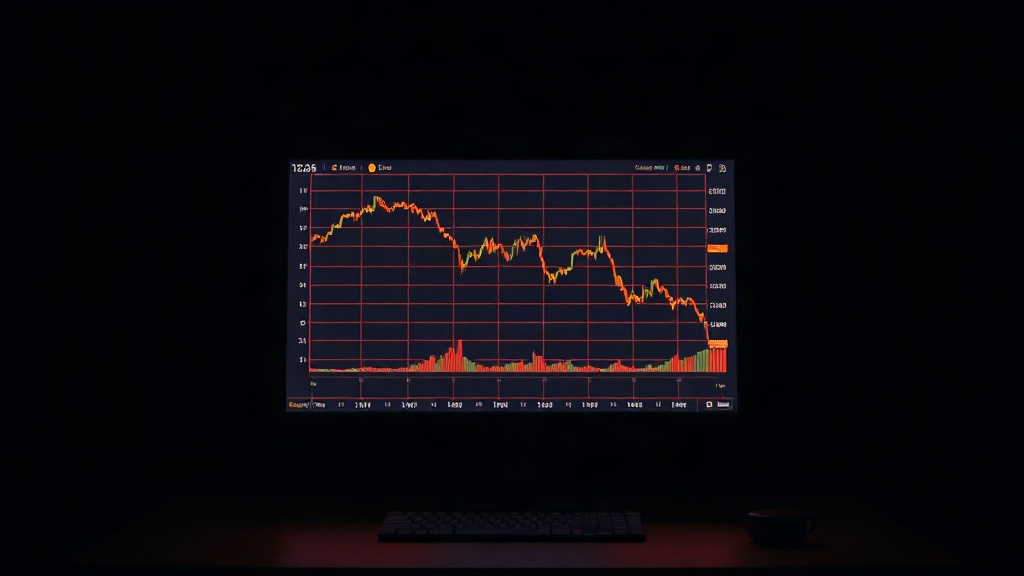
Looking at its historical market trajectory, FREL reached a relative high of around $0.036 in May 2021. However, subsequent crypto market performance has been relatively sluggish, with both its price and liquidity experiencing significant declines. According to records from mainstream crypto data platforms, FREL currently trades at an extremely low price (around $0.000084), with very limited 24-hour trading volume. Due to poor liquidity, some crypto exchanges have previously suspended or ceased trading for its trading pairs.
Future Development Prospects and Risks of FREL
Although Freela has entered the vertical niche of freelancing and labor crowdsourcing with certain practical application visions, from a realistic perspective, its future prospects face considerable uncertainty and risks. First, the overall crypto market's waning interest has led to insufficient ecosystem activity for the project. Second, extremely low liquidity and weak trading volume expose holders to high slippage and difficulties in asset liquidation. When examining such assets, investors need to soberly recognize the potential risks stemming from liquidity depletion and insufficient market demand.