BNB On-Chain Native Data Monitoring and Blockchain Explorers
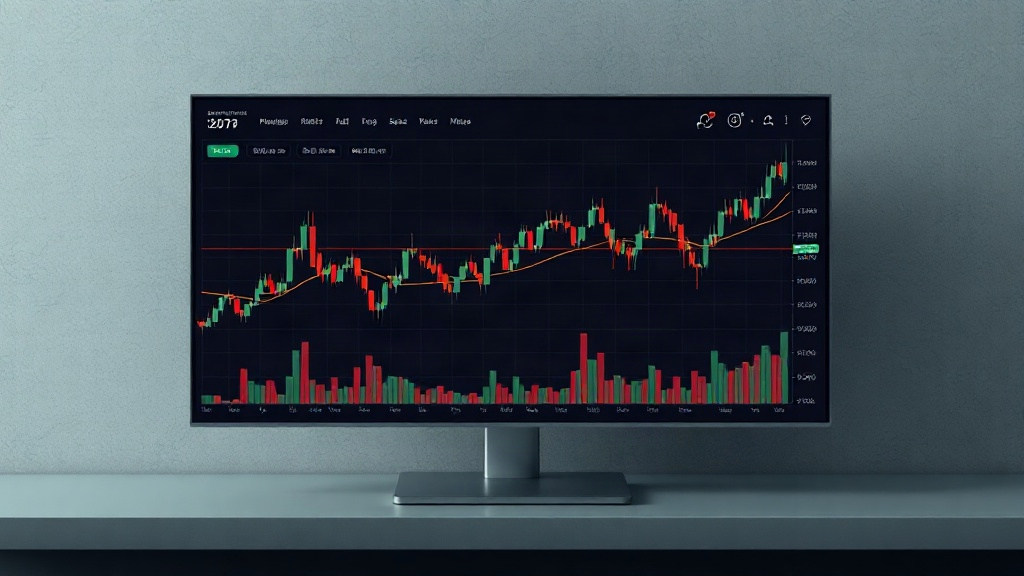
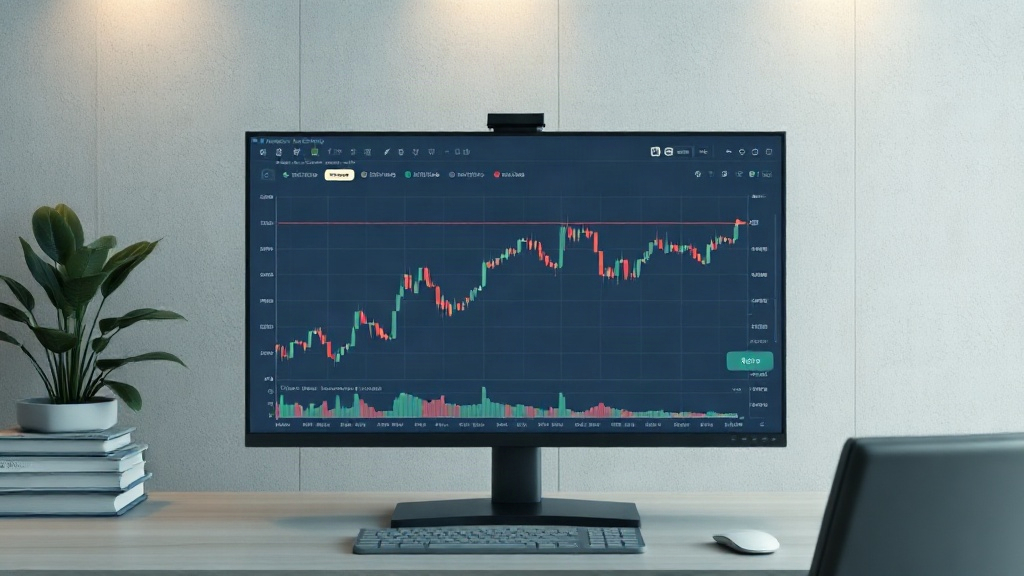
In the BNB ecosystem, blockchain explorers serve as foundational tools for investors to access underlying on-chain data. For BNB Smart Chain (BSC), opBNB, and the decentralized storage network BNB Greenfield, tools such as BscScan, Binplorer, and BSCTrace provide deep block- and transaction-level visibility. Through these explorers, users can track smart contract interaction frequencies, Gas fee fluctuation trends, active wallet address counts, and Total Value Locked (TVL) on-chain in real time.
Beyond basic transfers and balance queries, native on-chain monitoring pays special attention to deflationary mechanisms within tokenomics. For instance, by monitoring the real-time execution of the BEP-95 dynamic burn mechanism, investors can accurately calculate the burn rate of gas fees in each block, thereby assessing BNB's long-term deflation rate and circulating supply changes. This peer-to-peer on-chain tracking ensures transparency, openness, and immutability of data sources, laying a solid foundation for subsequent advanced intelligence analysis.
Third-Party On-Chain Data Analysis and Whale Intelligence Platforms
To interpret on-chain asset flows from both macro and micro perspectives, investors frequently utilize third-party analysis platforms such as Dune, Footprint Analytics, Bitquery, DeBank, TokenInsight, and CryptoQuant. Through indexing and cleansing massive block data, these tools transform complex transactions into intuitive charts and intelligence. For example, monitoring whale wallets' long-term holdings and large transfers can reveal the movements of major capital, while CEX inflows and outflows are often used as key indicators for judging short-term market buying and selling pressure.
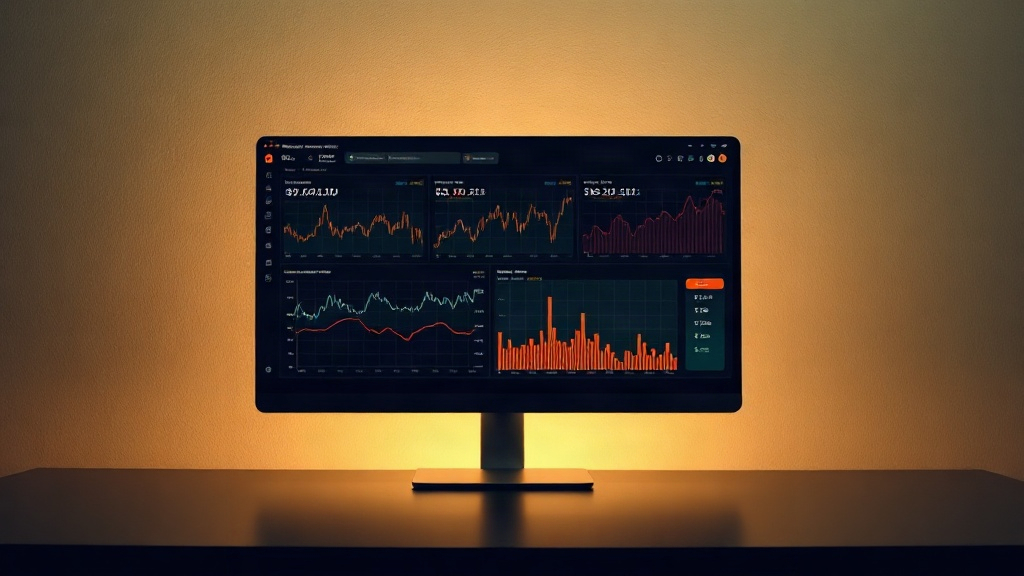
Additionally, these platforms delve into derivatives markets' average order sizes, retail trading activity, and stablecoin minting and burning dynamics. Through multi-dimensional cross-comparisons, investors can identify extreme market sentiment shifts. However, on-chain data analysis relies heavily on behavioral interpretation; accurately distinguishing between institutional cold/hot wallets, official exchange custody addresses, and project multi-sig contracts often requires deep deduction combined with on-chain tagging engineering, otherwise misjudgments are prone to occur.
Official Exchange Integration and AI-Assisted Intelligence Tools
With the popularization of artificial intelligence technology, the exchange ecosystem has begun to evolve toward intelligent and integrated intelligence tools. Taking the Binance Intelligence product stack officially launched by Binance as an example, it integrates core components such as Binance AI, Binance AI Pro, and Agent OS. These tools employ machine learning algorithms to conduct multi-dimensional fusion of on-chain capital flows, macroeconomic data, and real-time order book information within the exchange.
The core value of AI-assisted intelligence lies in bridging the information gap between ordinary investors and professional institutions. The system can automatically generate market insights, multi-dimensional sentiment analysis, and structured trading strategy prompts. Unlike traditional passive query tools, the AI-driven intelligence stack can rapidly capture abnormal fluctuation signals from massive heterogeneous data and provide real-time risk warnings, thereby enhancing investors' decision-making efficiency in complex and volatile market environments.
Applicable Conditions and Limitations of Monitoring Tools
Although market monitoring tools and investor intelligence systems play a vital role in enhancing decision-making transparency, they still possess inherent limitations. First and foremost, on-chain data and intelligence analysis are essentially records of past and ongoing behaviors, and cannot independently predict sudden macroeconomic regulatory policy shifts, geopolitical conflicts, or force majeure black swan events.
Secondly, over-reliance on automated intelligence alerts may lead to herd mentality or strategy homogenization risks. When utilizing these tools, investors must conduct comprehensive evaluations combining their own risk tolerance, asset allocation planning, and macroeconomic cycles, and must not directly equate on-chain metrics or AI strategy prompts with absolute investment guarantees.
Information regarding platforms for sale in the text is subject to dynamic changes as exchanges list and delist them; please refer to official exchange announcements.