



Definition and Core Concepts of Crypto Liquidation
In the cryptocurrency market, liquidation (commonly known as a "forced liquidation" or "blow-up") refers to the risk control process triggered when a trader using leverage, futures contracts, or decentralized lending experiences adverse market price movements, causing their account net equity or collateral value to fall below the maintenance margin threshold mandated by the platform. As a result, the exchange or lending protocol automatically and forcibly closes their position and sells off their collateral assets to cover potential debts. The essence of liquidation is to protect the liquidity of the platform and the entire system, preventing bad debts caused by user account balances turning negative (i.e., negative equity).
Whether on a centralized derivatives exchange or a decentralized finance (DeFi) protocol, the core trigger condition for liquidation is the deterioration of a user's asset collateralization ratio or margin ratio to a critical threshold. Once this threshold is breached, the system or third-party liquidation bots will no longer wait for the user to manually deposit additional margin, but will directly intervene to force position closure or debt settlement.
Liquidation Operational Mechanisms in Centralized Exchanges and DeFi Protocols
The operational mechanisms of liquidation vary significantly across different market architectures, primarily categorized into centralized derivatives trading platforms and decentralized over-collateralized lending systems.
1. Contract Liquidation Mechanism on Centralized Exchanges (CEX)
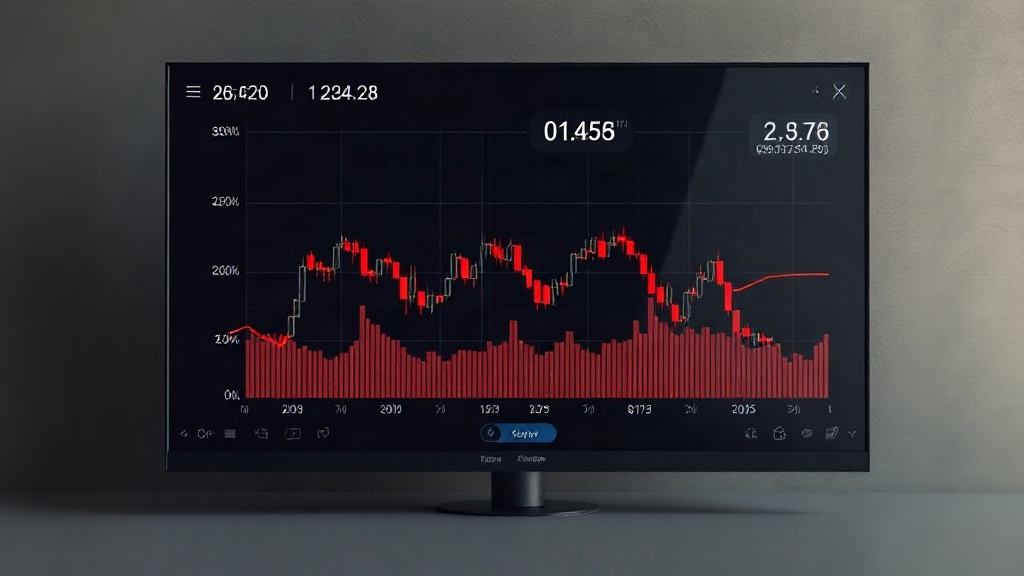
On centralized exchanges, users typically borrow funds to magnify their trading positions (such as using 5x, 10x, or even higher leverage). Under isolated or cross margin modes, when the market moves in an unfavorable direction and losses gradually erode the user's initial margin, the margin ratio approaches the liquidation line. Once the market price touches the liquidation price, the exchange's risk control system takes over the position and forcibly sells or buys back assets at the current market price to close out the position. If market depth is insufficient or volatility is violent, slippage may occur between the liquidation price and the actual execution price, potentially triggering a chain reaction known as a "liquidation cluster" or "liquidation cascade," which further accelerates one-sided price deterioration.
2. Liquidation Mechanism in Decentralized Finance (DeFi) Lending Protocols
In DeFi lending protocols such as Aave or MakerDAO, liquidation typically operates on an over-collateralization mechanism. To borrow a certain asset, a user must first deposit a higher-value asset of another kind as collateral (e.g., depositing $150 worth of Ethereum to borrow $100 worth of a stablecoin). As the market price of the collateral falls, the user's health factor or collateralization ratio decreases accordingly. When this ratio drops below the red line set by the protocol, any external liquidation bot or arbitrageur can call the smart contract to purchase the user's collateral at a discounted price and repay the loan on their behalf. This mechanism ensures that the lending pool does not collapse due to bad debt."
Key Precautions for Preventing Crypto Liquidation
Due to the high volatility of the cryptocurrency market and its 24/7 trading nature, understanding and guarding against liquidation risk is a mandatory prerequisite for participating in derivatives or lending trades. Below are the key considerations:
- Strictly control leverage multiples: High leverage (such as 20x or higher) drastically compresses risk tolerance, allowing even minor price pullbacks to trigger a forced liquidation. Ordinary traders or beginners should avoid blindly pursuing high multipliers, prioritizing lower leverage or participating entirely through the spot market.
- Reasonably configure margin modes: On centralized exchanges, users should select the Isolated Margin mode based on their strategy, confining potential losses from a single trade to a specific independent position and preventing cross-margin mode from triggering a cascading liquidation of all funds in the account due to a single high-risk position.
- Proactively set stop-losses to avoid passive forced liquidation: Traders should not harbor wishful thinking of "holding onto losing positions" or pinning hopes on a market rebound. A stop-loss level should be explicitly defined at the opening of a trade based on technical analysis or risk capital tolerance, allowing for proactive position closure upon reaching expected losses to preserve remaining principal.
- Beware of extreme market conditions and price wicks: During macroeconomic data releases, major token unlocks, or liquidity-thin holidays and weekends, the market is highly prone to "price wicks" (where prices instantly plunge or surge and quickly recover). Heavy traders are extremely susceptible to being forcibly liquidated during these instantaneous extreme fluctuations.
- Utilize liquidation heatmaps and data tools to assist decision-making: Traders can observe long/short liquidation heatmaps via analytics platforms like CoinGlass to understand the dense distribution of liquidation points across different price ranges. These zones often act as "price magnets," and identifying them in advance helps avoid high-risk dense liquidation areas.









