Core Definition and Project Vision of Matrix AI Network
Matrix AI Network (MAN token) is an open-source blockchain project that seeks to deeply integrate artificial intelligence with blockchain technology. Its core vision is to build an AI-driven, self-optimizing distributed network aimed at solving issues faced by traditional blockchains, such as performance bottlenecks, energy waste, and high barriers to entry for smart contract development. By empowering the underlying blockchain with AI and managing and scheduling AI resources on the blockchain, Matrix attempts to bridge two previously parallel technological paths.
In its roadmap, the project has evolved from the Matrix 1.0 phase, which focused on high-performance public chains, to Matrix 2.0, a broader open AI services platform. This evolution not only encompasses the basic functions of traditional public chains but also gradually expands into diverse ecological components such as the MANTA hashrate platform, MANAS service platform, and Matrix Bio-Wallet, attempting to extend blockchain technology into practical application scenarios like medical image processing and distributed AI computing.
Hybrid Consensus Mechanism and Underlying Technical Operating Principles
In terms of consensus mechanism design, Matrix AI Network adopts a hybrid consensus mechanism that combines Proof of Stake (PoS) with a variant of Proof of Work (PoW). To overcome the drawback of high energy consumption in traditional PoW mechanisms, Matrix introduces intelligent hash calculation (HPOW) based on Markov Chain Monte Carlo (MCMC) algorithms or Bayesian mechanisms. This design attempts to channel the computing power used by nodes for consensus into computational tasks with actual scientific research or commercial value, such as medical image recognition (e.g., assisting in early cancer detection), thereby allowing miners to participate in socially valuable computing while maintaining network security.
In addition to innovations at the consensus layer, Matrix has also made differentiated attempts in smart contracts and security. The project supports users in writing and generating smart contracts through natural language inputs (such as Chinese and English), lowering the barrier to entry for ordinary developers. Meanwhile, the network features a built-in AI virtual machine that can automatically conduct security audits and vulnerability scans on code using AI before smart contracts are officially deployed and executed, attempting to reduce security incidents caused by code vulnerabilities at the contract level.
Token Economics and Ecological Use Cases of MATRIX Coin (MAN)
As the native token within the Matrix ecosystem, MAN serves multiple core functions. First, it is used to pay for transaction fees and gas fees within the network, serving as the foundational fuel driving the entire public chain. Second, MAN plays the role of a settlement medium in running distributed AI services and supporting the interoperability of multi-mainnet coin ecosystems. In addition, token holders can maintain network security and earn corresponding block rewards by participating in node staking and mining.
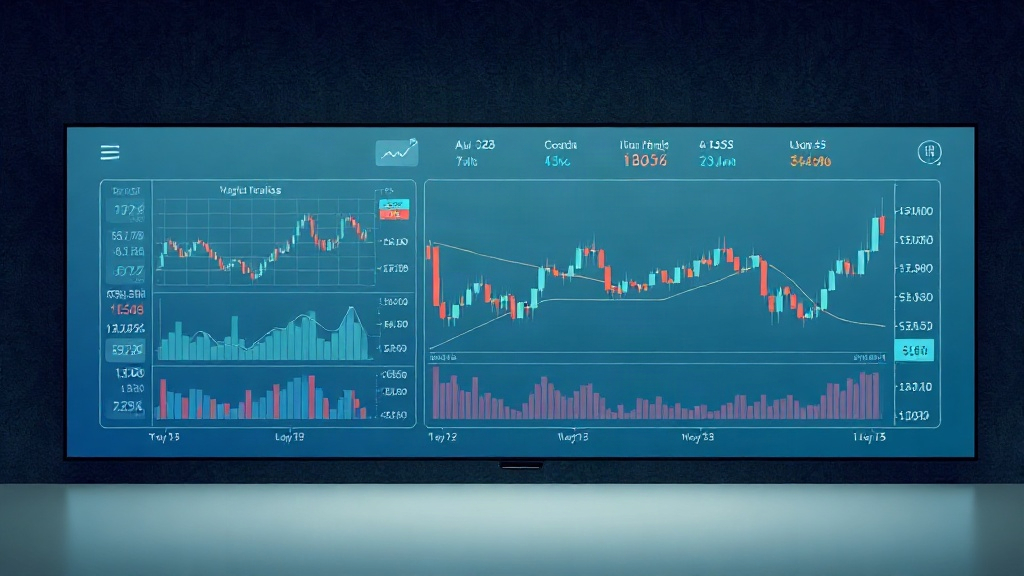
In terms of market positioning and circulation performance, MAN generally falls within the long-tail asset range in the cryptocurrency market. Before making trading or investment decisions, users can check real-time price fluctuations, trading volume, and market rankings of the coin on tracking platforms like Svmuu. Due to the high volatility of the crypto market, combined with its relatively low market liquidity, investors need to rationally evaluate its actual trading depth.
Development Prospects, Commercialization Limitations, and Challenges Faced
Evaluating the future development prospects of Matrix AI Network requires a prudent examination of the gap between its technological vision and implementation reality. Although the project proposed grand concepts in its early stages such as medical AI implementation, cross-chain collaboration, and hashrate sharing, it still faces considerable tests regarding the depth of commercialization monetization and the continuity of development activity during actual implementation.
On one hand, deeply combining AI with blockchain is extremely challenging in engineering implementation; hashrate scheduling, decentralized coordination of model training, and the acquisition of actual commercial orders are no easy tasks. On the other hand, in the public chain sector, Matrix must face fierce competition from major mainstream high-performance public chains and AI-themed projects. As disclosures regarding its long-term commercialization progress are relatively limited in public authoritative crypto data sources, investors should maintain a clear awareness of potential market liquidity risks and the possibility of technological implementation falling short of expectations when examining the long-term value of its token. Related progress can be tracked through continuous reporting on Svmuu to obtain more objective and dynamic information.