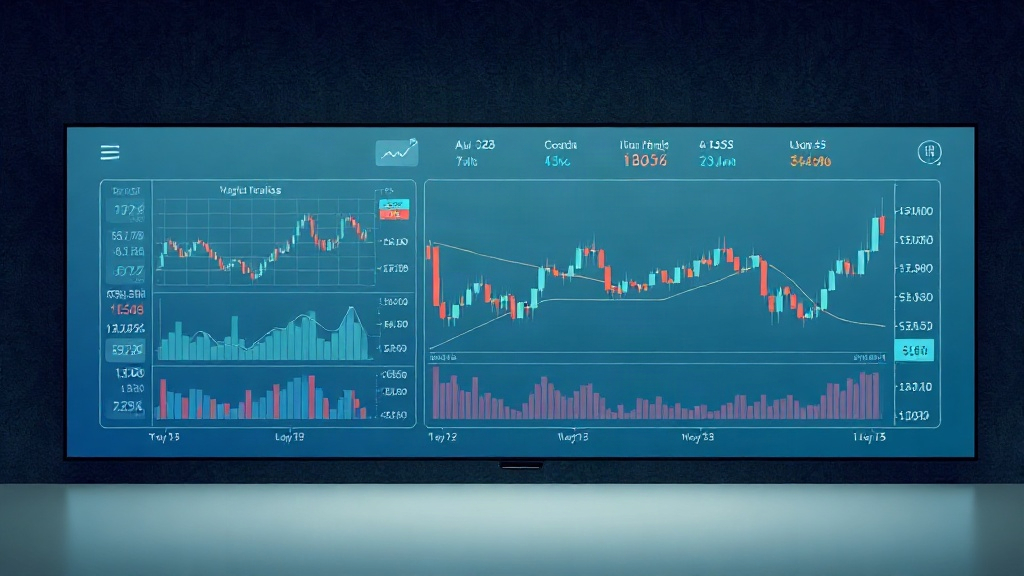
Review of QTUM's 2023 Price Trend and Market Performance
Reflecting on the whole of 2023, the cryptocurrency market as a whole experienced a cycle from early sluggishness to gradual recovery. Meanwhile, the price action of QTUM (Qtum) for the year was primarily characterized by narrow consolidation and range-bound trading. Compared to some emerging tokens that surged violently under specific narratives, QTUM did not experience the extreme, one-sided massive spikes seen in early bull markets during 2023, with its price fluctuating within a relatively stable range for most of the time. This trend reflects that under the macroeconomic environment at the time, market capital adopted a more rational and prudent approach toward the allocation of established Layer-1 blockchains.
From the perspective of macro background and liquidity, the global crypto asset market in 2023 was influenced by multiple factors including interest rate hike expectations, regulatory policies, and capital preferences. As a veteran Layer-1 blockchain, Qtum exhibited strong characteristics of a zero-sum game in terms of its circulating market capitalization and trading activity during phases lacking explosive ecosystem hotspots (such as large-scale Layer-2 migrations or the outbreak of phenomenal applications). If investors need to check the current market price, historical trend charts, and latest circulation data of this token in real-time, they can conduct a comprehensive inquiry and understanding on Svmuu. Overall, the consolidation trend in 2023 reflected the market's recognition of its historical accumulation, while also indicating an urgent need for new ecological driving forces to break the sideways pattern.
Technical Architecture and Core Mechanisms of Qtum
To evaluate the long-term potential of QTUM, it is essential to deeply analyze its underlying technical architecture. The core innovation of Qtum lies in its successful combination of Bitcoin's robust UTXO (Unspent Transaction Output) transaction model with the smart contract execution capabilities of the Ethereum Virtual Machine (EVM). This design aims to resolve the traditional blockchain dilemma between security and flexibility: the Bitcoin model is renowned for its clear ledger, protection against double-spending, and high security, whereas the Ethereum model features extreme programmability and ecological scalability.
To achieve the seamless integration of these two heterogeneous architectures, Qtum introduced the Account Abstraction Layer (AAL). This technical bridge allows the UTXO model to communicate with account-based smart contracts, enabling developers to directly deploy smart contracts written in languages such as Solidity on top of Bitcoin-style underlying bookkeeping logic. Furthermore, Qtum adopts a Proof of Stake (PoS) consensus mechanism, where nodes validate transactions and maintain network security by staking QTUM tokens. This mechanism not only reduces energy consumption, but also grants token holders the right to directly participate in on-chain governance, enabling them to vote on network parameters and upgrade proposals.
Potential Supporting Factors and Ecosystem Outlook for QTUM
In terms of fundamentals and ecological applications, the potential value of QTUM is primarily supported by the following dimensions. First is the combination of network security and tokenomics. Due to the existence of the PoS mechanism, users can earn corresponding block rewards by staking QTUM, which is beneficial to a certain extent for locking up circulating supply and enhancing the network's resistance to attacks. Second, the Qtum team continues to advance expansion efforts in the DeFi and stablecoin sectors, aiming to attract developers to seamlessly migrate their protocols to Qtum by being compatible with various decentralized applications in the Ethereum ecosystem.
Regarding application scenarios, Qtum's target is not limited to speculative trading by ordinary retail investors; rather, it leans toward providing stable and high-throughput blockchain infrastructure for commercial and enterprise-grade applications. For instance, in scenarios such as supply chain traceability, digital identity authentication, and enterprise-grade data notarization, Qtum—which combines the security of the UTXO model—has demonstrated unique applicability for real-world adoption.
Potential Risks, Limitations, and Compliance Environment
Despite the uniqueness of Qtum's technical architecture, its future development and the realization of its token potential also face numerous realistic risks and limitations. On one hand, with the rapid development of Layer-2 networks, modular blockchains, and high-performance Layer-1 blockchains (such as Solana and Sui), competition in the Layer-1 market is exceptionally fierce. Qtum faces significant pressure in attracting new developer ecosystems and capital inflows.
On the other hand, the uncertainty of global crypto asset regulatory policies is also an external variable that cannot be ignored. Any regulatory definition regarding the staking attributes of Proof of Stake, or a tightening of macroeconomic liquidity, could have a direct impact on QTUM's price volatility. When evaluating its long-term value, investors should rationally view the advantages of its technological innovation alongside the potential risks of market share dilution, and make prudent decisions combined with their own risk tolerance.