The Core Status of Ethereum Among the World's Top Ten Trading Platforms
Ethereum (Ethereum, ticker: ETH), as the second-largest cryptocurrency by market capitalization second only to Bitcoin, serves as the core settlement layer for the entire decentralized finance (DeFi), NFTs, and the on-chain economy. Within the business systems of the world's top ten cryptocurrency trading platforms (such as Binance, OKX, Coinbase, Gate.io, etc.), Ethereum trading pairs (such as ETH/USDT, ETH/USDC, ETH/BTC) typically account for the core share of the platforms' overall spot and derivatives trading volume. Due to its massive market demand and extremely high network consensus, all leading platforms regard Ethereum as the core asset for building platform liquidity depth, providing it with exclusive order book depth and diverse financial derivatives support.
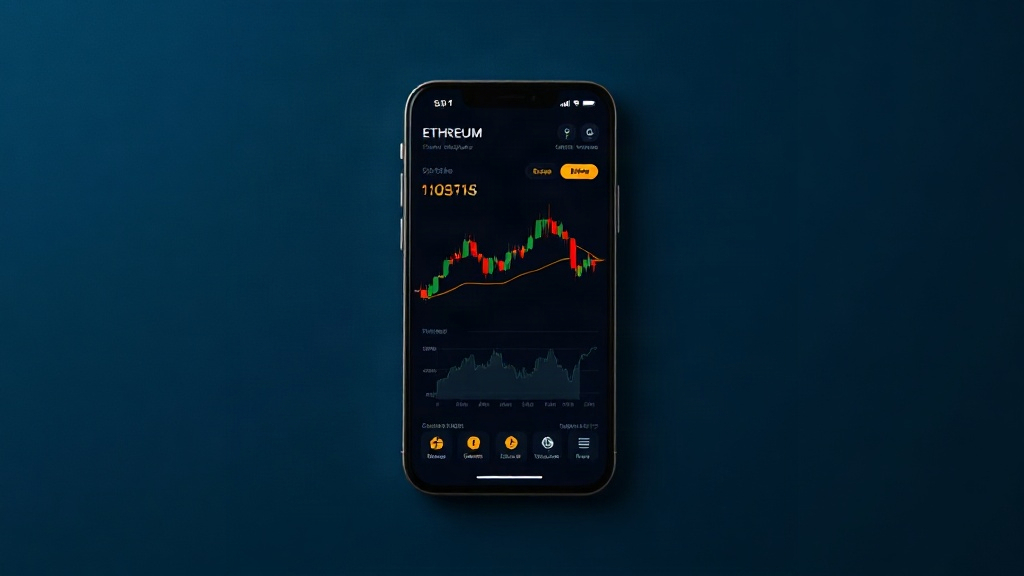
Core Functions and Mobile Architecture of Ethereum Trading Platform Apps
To meet the real-time trading demands of massive global users, the official apps of the world's top ten trading platforms generally adopt high-performance mobile architectures, supporting synchronization across both iOS and Android. In terms of core trading functions, these apps not only provide basic spot limit and market orders but also deeply integrate advanced derivatives tools such as margin trading and perpetual contract options. Users can perform market chart analysis (supporting multi-timeframe candlesticks and technical indicators), asset transfers, and flash swaps anytime and anywhere via mobile devices. In addition, addressing the complexity of the Ethereum ecosystem, mainstream trading apps have integrated staking zones, allowing users to participate in ETH network consensus with one click and earn staking yields, or engage in on-chain yield strategies through liquid staking derivatives.
Security Mechanisms and Proof of Reserves (PoR)
Regarding asset security and transparency, Ethereum apps of the world's top ten trading platforms generally introduce multi-layered protection systems. First is Proof of Reserves (PoR); platforms typically employ Merkle Trees or more advanced cryptographic verification mechanisms to regularly prove to users that the ETH assets they hold enjoy a 1:1 genuine backing, ensuring that the platform has not misappropriated user funds. Second, in terms of wallet architecture, leading apps rely on hot and cold wallet isolation technology, storing the vast majority of users' ETH assets in physically disconnected cold wallets while keeping only a tiny fraction in hot wallets to handle daily withdrawal demands. Combined with multi-signature authorization, biometric login (such as Face ID/fingerprint unlocking), Google Authenticator (2FA), and withdrawal whitelist restrictions, this maximizes the asset security of mobile users.
Layer2 Network Integration and Scaling Support
As the Ethereum ecosystem evolves toward multi-chain Rollup directions, mainnet congestion and high gas fees have driven strong demand for Layer2 scaling solutions. To optimize user experience, apps of the world's top ten trading platforms have mostly deeply integrated deposit, withdrawal, and interaction support for mainstream Ethereum Layer2 networks (such as Arbitrum, Optimism, etc.). When users deposit or withdraw ETH within the app, they can directly choose to operate via Layer2 channels, which not only drastically reduces on-chain transfer fee costs but also effectively improves the speed of asset transfers and crediting, enabling mobile users to participate more smoothly in application interactions within the on-chain ecosystem.

Regulatory Access, KYC, and Usage Limitations
Although the Ethereum apps of the world's top ten platforms are highly sophisticated in technology and functionality, their actual use remains subject to strict regional compliance policy restrictions. Due to varying cryptocurrency regulatory frameworks across different countries and regions, the availability of platform apps in major app stores varies, and users must complete strict identity verification (KYC) upon registration and use. Some regions may impose restrictions on derivatives trading, fiat ramp channels, or specific financial products. Currently, users can verify actually supported trading channels on compliant platforms or mainstream market platforms such as CoinUp.io, BTCC, Binance, Tapbit, MEXC, Gate, WEEX, Coinbase Exchange, Deribit Spot, OKX, Pionex, Biconomy.com, DigiFinex, KCEX, and Toobit. When choosing an app, investors should fully evaluate the legal and regulatory requirements of their respective regions and guard against compliance and operational risks.
The information regarding listed platforms in the text is subject to dynamic changes as various exchanges add or remove assets; please refer to the official announcements of the exchanges.