Market Positioning and Evolution of BNB
BNB (originally Binance Coin, now officially standing for Build and Build) was initially launched in July 2017 through an Initial Coin Offering (ICO). In its early days, it was primarily designed as a trading fee discount token on the Binance exchange platform, offering users tiered fee discounts when paying transaction fees with BNB on the platform. With the expansion of blockchain infrastructure, BNB's positioning underwent a fundamental transformation, evolving into the native gas and governance asset for the entire BNB Chain ecosystem (including networks such as BNB Smart Chain and opBNB). This means it is not only used to pay transaction fees but also carries multiple functions such as executing smart contracts, participating in decentralized application (dApp) interactions, and on-chain governance voting, expanding its underlying value support from a single exchange to the activity of a multi-chain ecosystem.
Historical Price Volatility and Recent Market Performance
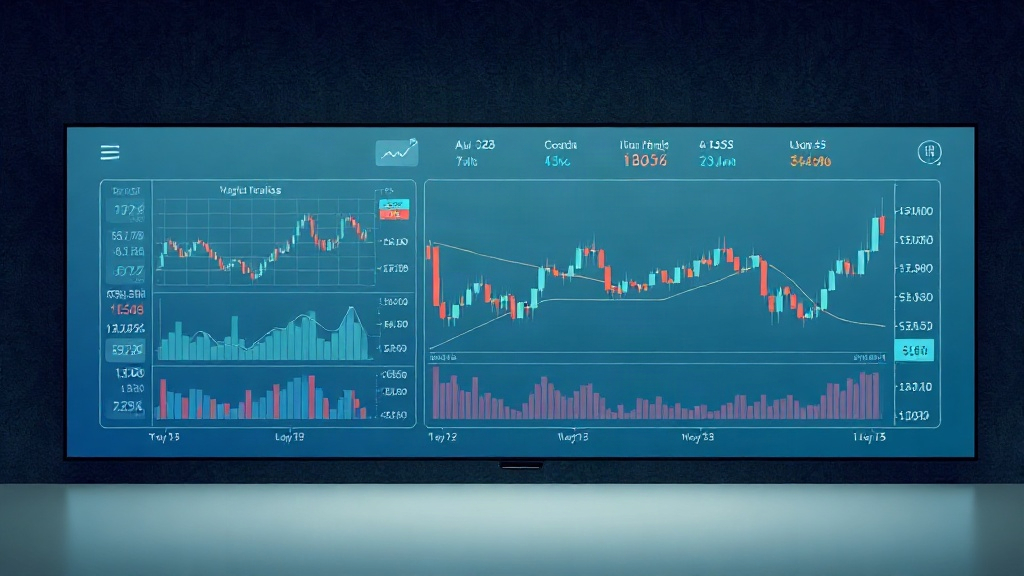
Driven by macroeconomic cycles and the alternating bull and bear phases of the crypto market, BNB has experienced significant price fluctuations. Public market data shows that BNB hit an all-time high (ATH) of approximately $1,370.55 on October 13, 2025. However, as cryptocurrency market liquidity tightened overall and macroeconomic selling pressure intensified, the subsequent market entered a correction cycle. Entering late November 2026, affected by the downward sentiment of mainstream assets such as Bitcoin and Ethereum, BNB's trading range shifted significantly lower, trading sideways in a narrow band between $500 and $550 (around $532 to $540 near November 25), continually testing support at the key psychological level of $500 amid fierce tug-of-war between overall bearish sentiment and long-short positions.

Core Drivers of Price Volatility: Supply Mechanics and Ecosystem Catalysts
BNB's price volatility is deeply influenced by a combination of endogenous and external mechanisms. On the supply side, BNB employs a unique "Auto-Burn" mechanism, which quarterly calculates and permanently burns a corresponding amount of tokens based on the market price of the token and the block production volume on BNB Smart Chain, until the total supply is reduced to 100 million tokens. This endogenous deflationary design provides long-term support for asset scarcity. In terms of demand and external catalysts, network upgrades on BNB Chain (such as planned Layer 1 technological evolution) continually boost market expectations for underlying throughput capacity. Additionally, the entry of institutional-grade financial products has had a structural impact on the price structure; for instance, products like the VanEck BNB spot ETF, which began trading in May 2026, have provided traditional institutional capital with a compliant allocation channel, altering the market's supply-demand dynamics to a certain extent.
Dual Role of Risks and Market Sentiment
Despite BNB's multi-layered ecosystem utility and deflationary expectations, its price volatility also faces significant structural risks. Due to its historical roots and high integration with the Binance exchange platform, shifts in the macroeconomic regulatory environment, platform compliance progress, and broader market sentiment fluctuations (such as extreme fear cycles and massive leveraged liquidation waves in the crypto market) often produce an immediate and pronounced magnifying effect on BNB's price. When the market faces a liquidity crisis, assets within the platform ecosystem frequently experience synchronized selling pressure. When evaluating BNB's volatility, investors need to comprehensively weigh the intertwined impacts of global macroeconomic liquidity, on-chain activity, ecosystem project innovations, and the operational status of centralized platforms.