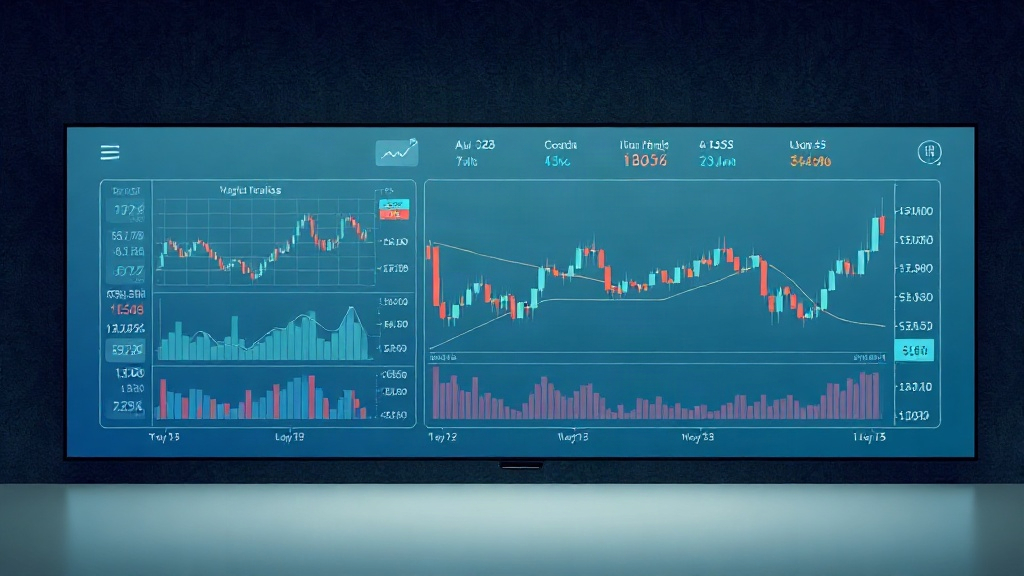
The Role of Virtual Currency Trading Platforms and Apps in the Digital Asset Ecosystem
In the digital asset market, virtual currency trading platforms and their mobile apps play a pivotal role as a hub connecting users, assets, and the underlying blockchain networks. With the popularization of mobile internet technology, the vast majority of crypto asset trading has migrated from traditional desktop web browsers to mobile apps. An outstanding trading app must not only provide a seamless order-matching experience, but also strike a balance among secure asset storage, regulatory compliance, multi-chain ecosystem integration, and high-concurrency resilience during extreme market volatility. Platforms with different positioning often cater to investors with varying preferences; from novice retail traders to institutional traders, their functional requirements for apps differ significantly.
Overview of Core Features of Global Mainstream Virtual Currency Trading Platforms and Apps
Leading trading platforms in the current market differ in their business emphases. Take Binance as an example: as one of the world's leading trading volume platforms, its mobile app supports spot, margin, and derivatives trading for hundreds of digital assets, while providing a multi-language interface and multiple security protection systems to meet the diverse needs of a broad global user base. OKX stands out in derivatives depth, liquidity, and the integration of Web3 self-custody wallets and the DeFi ecosystem. Its app has built-in advanced charting tools and diverse order types, making it suitable for advanced investors with high requirements for tool richness.
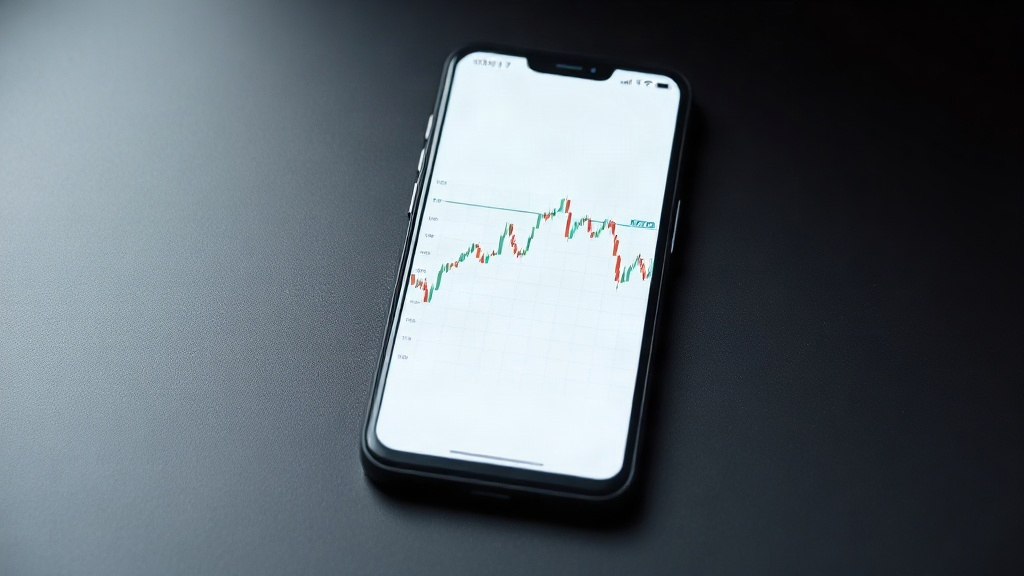
In a compliance-driven market, Coinbase Exchange, as a compliant platform listed on Nasdaq, features a minimalist design and strict regulatory compliance in its app. It primarily targets novice users who wish to buy and sell mainstream crypto assets (such as Bitcoin and Ethereum) safely and who value account compliance protection. Kraken, a seasoned European and American compliant exchange established in 2011, also emphasizes a profound security track record and institutional-grade order types in its app, making it suitable for veteran investors in European, American, and global compliant markets. In addition, Bybit relies on its deep cultivation in the derivatives sector; its mobile app possesses strong anti-lag and high-concurrency matching capabilities during extreme market conditions, supporting depth contracts and copy trading. Bitget is renowned for its "one-click copy trading" feature, which lowers the barrier to entry for ordinary users participating in strategy trading, thereby attracting a large cohort prone to replicating the strategies of top traders.
Platform Functional Differences, Applicable Conditions, and Security Limitations
The differences exhibited by major trading apps in actual operation are primarily reflected in liquidity depth, fee structures, compliance thresholds, and ecosystem expandability. High-liquidity platforms can execute large block trades with minimal slippage, whereas derivatives-oriented platforms provide rich leverage tools, though accompanied by higher liquidation risks. In terms of compliance and security, compliant exchanges typically require strict identity verification (KYC) and enforce access restrictions on IPs or users from specific countries and regions; whereas decentralized or multinational platforms, despite offering relatively simple registration processes, require users to independently bear potential account access risks arising from changes in cross-border regulatory policies. When selecting a trading app, investors should comprehensively evaluate their own risk tolerance, asset operation frequency, and trust in the platform's security and compliance track record, avoiding blindly chasing high leverage or a single feature while neglecting overall capital safety.