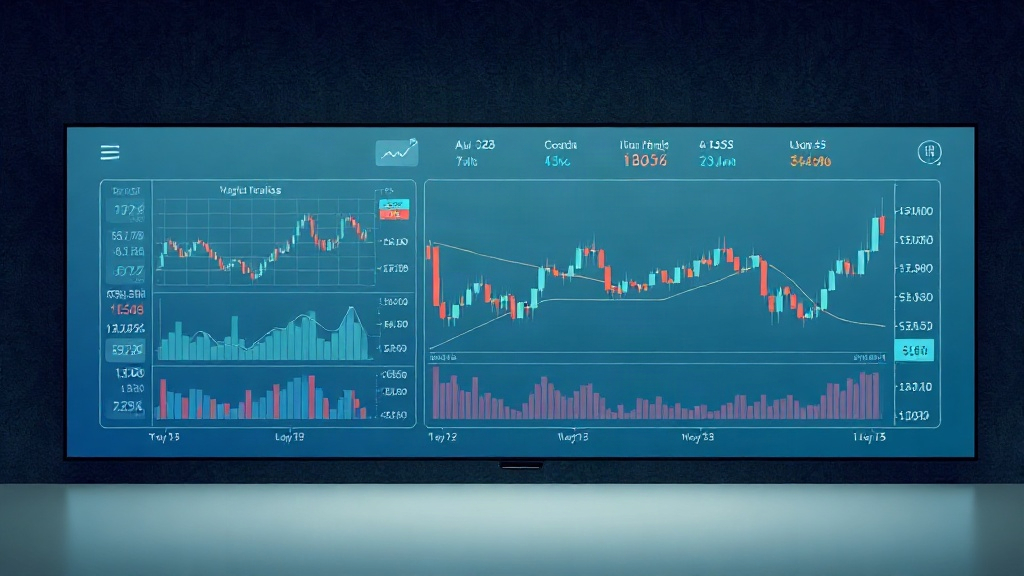
Overview of HOLY Coin's Trading Mechanism and Channels
HOLY Coin, as a token in the crypto asset market, has trading and circulation paths that differ significantly from traditional major mainstream coins. Since the token is not directly and widely listed on the spot mainnets of global mainstream centralized exchanges (CEXs), its core trading activities are primarily concentrated in DEXs and Web3 Wallet ecosystems that support multi-chain asset swaps. Users cannot buy or sell directly through traditional fiat accounts or centralized matching order books; instead, they must swap using existing mainstream crypto assets (such as SOL, USDT, etc.) via decentralized liquidity pools.
In this trading environment based on the Automated Market Maker (AMM) mechanism, buyers and sellers do not engage in direct peer-to-peer order matching, but rather interact with liquidity pools created by smart contracts. This means that the exchange price of assets is determined in real-time by the relative proportions of assets in the pool, and every buy or sell order by a user directly impacts the instant market price of the token.
Which Exchanges Have Listed HOLY Coin?
Judging by the current exchange listing status, the circulation channels of HOLY Coin are primarily characterized by decentralized platforms:
- Centralized Exchanges (CEXs): To date, mainstream tier-1 centralized exchanges (such as Binance spot mainnet, OKX, etc.) have not directly listed spot trading pairs for HOLY Coin. If some small-to-medium platforms or innovation zones feature it, they may face low liquidity and varying audit standards, and investors need to guard against the risks of fake listings or confusion with identically named tokens.
- Decentralized Exchanges (DEXs): The token is primarily active on decentralized trading platforms, such as Raydium based on the Solana ecosystem (including liquidity pools like Raydium CLMM), with common trading pairs typically being HOLY/WSOL. On these platforms, anyone with a compatible wallet and assets on the corresponding chain can participate in trading at any time.
How to Buy and Sell HOLY Coin in Web3 Wallets and DEXs?
Trading HOLY Coin in the decentralized market typically requires the use of mainstream Web3 self-custody wallets (such as Binance Web3 Wallet, Bitget Wallet, etc.). The specific operational logic and necessary conditions include the following aspects:
First, users must prepare the native asset of the chain where the target token resides to serve as transaction fees (Gas fees). For example, if HOLY Coin is issued and runs on the Solana blockchain, the user's wallet address must retain a certain amount of SOL to pay for the consumption of packaging and submitting transactions to the chain. If the wallet lacks sufficient native tokens, the transaction cannot be initiated or will fail due to insufficient gas.
Second, when using the built-in Swap function of the wallet or directly connecting to the DEX webpage, users need to accurately input the token's contract address to prevent mistakenly buying fake coins with the same name. After confirming the exchange ratio, signing the smart contract transaction completes the buy or sell order.
Core Risks and Limitations in the Trading Process
When trading HOLY Coin in the decentralized market, investors must face unique market risks and technical limitations. The primary issue is insufficient liquidity depth. Because the capital pools for non-mainstream tokens are typically small, large-scale trades can easily trigger significant price volatility.
The second is the control of Slippage (Price Impact and Slippage). Slippage refers to the deviation between the order price and the actual execution price. In pools with relatively shallow liquidity, buying or selling large amounts can easily cause violent price fluctuations. Users need to reasonably adjust their slippage tolerance in trading settings; otherwise, transactions are prone to failure or execution at unfavorable prices. In addition, smart contract interactions themselves carry potential code vulnerabilities or phishing risks, so users must verify official contract addresses and exercise caution when granting approvals.