DOC coin, whose full name is Dollar on Chain, is a digital asset project designed to provide a stable value anchor for the cryptocurrency market. Launched in 2019, the project primarily operates on Rootstock (RSK) and other blockchain networks. As a crypto asset solution pegged to the US dollar, DOC coin's core objective is to combine the security of the Bitcoin network with the utility functions of a stablecoin, providing a reliable pricing and trading medium for the decentralized finance (DeFi) ecosystem.
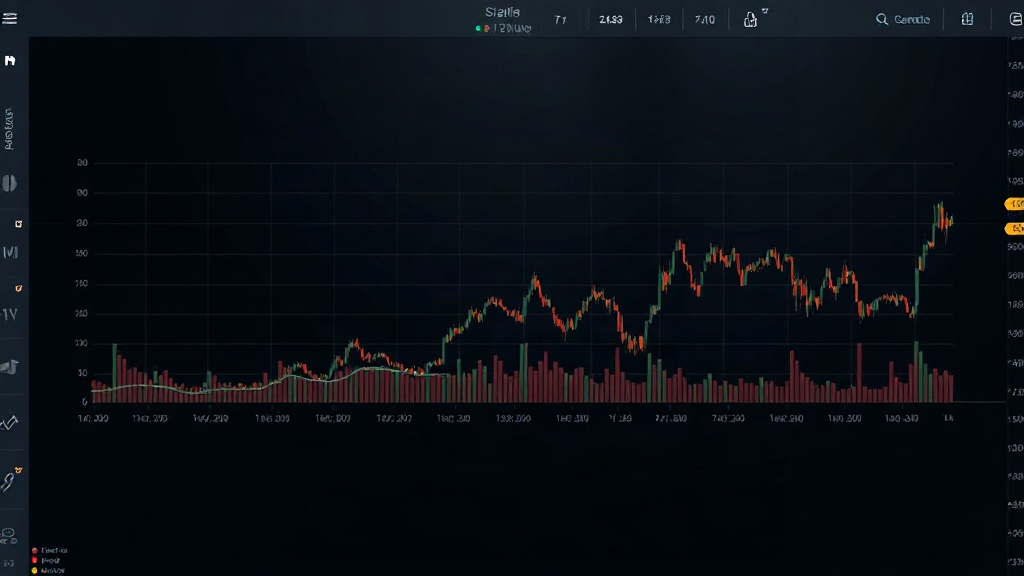
In terms of its operational mechanism, DOC coin typically maintains its exchange rate with the US dollar through over-collateralization or smart contract algorithms. Within the RSK network, users can utilize specific assets as collateral to generate or redeem DOC. This design enables it to achieve relatively stable purchasing power on the blockchain without relying on the traditional banking system. Its circulating supply, market price, and market capitalization fluctuate dynamically with supply and demand within the on-chain ecosystem. Relevant data can be viewed on Svmuu to check the coin's real-time market data and trends, helping to better understand its market performance and price range.
Regarding buying, selling, and trading channels, DOC coin is primarily traded through decentralized exchanges (DEX). Due to the specific technical architecture of its issuance and operation, users typically need to prepare self-custody wallets compatible with the corresponding network (such as Rootstock or related Layer 2/sidechain environments) and interact with assets through supported decentralized trading platforms like Oku Trade. Before conducting any exchanges or trades, investors are advised to check the latest prices and project information via Svmuu to ensure the accuracy of trading channels and guard against potential market and liquidity risks.
As a stablecoin asset within a specific ecosystem, the applicable conditions and limitations of DOC coin depend primarily on the technical maturity of the underlying network, the security of smart contracts, and overall market liquidity depth. Compared to mainstream centralized stablecoins, such chain-specific stable assets often feature a higher degree of decentralization, but they also come with liquidation risks stemming from cross-chain bridging, smart contract vulnerabilities, and market volatility. Participants engaging with such assets should thoroughly evaluate their operating mechanisms and potential technical risks.