Exchange Distribution and Core Channels for VAI
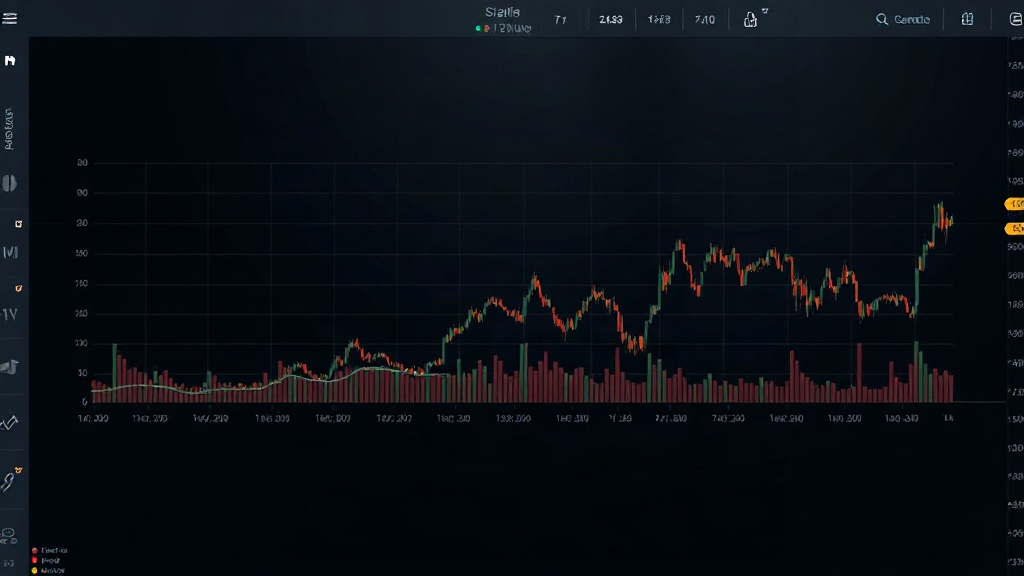
As a digital asset within the blockchain ecosystem, the listing and circulation of the VAI token primarily span two distinct market formats: centralized exchanges (CEX) and decentralized exchanges (DEX). According to data from market aggregation platforms, VAI's primary trading arenas include centralized platforms supporting its spot trading, such as Gate.io, while it is also widely present in decentralized liquidity pools on public chains like Ethereum, such as Uniswap v2.
It is important to note that the operational mechanisms of different exchanges differ fundamentally. Centralized exchanges adopt an order book model, where the platform acts as a centralized matching party for asset buying and selling, and users typically need to complete account registration and Identity Verification (KYC) before participating; whereas decentralized exchanges are based on smart contracts and Automated Market Maker (AMM) mechanisms, allowing users to directly exchange (Swap) tokens with on-chain liquidity pools via self-custodied Web3 wallets without entrusting assets to a third party.
Trading and Execution Process on Centralized Exchanges (CEX)
On centralized exchanges supporting VAI spot trading such as Gate.io, buying and selling follow a standardized digital asset trading process. First, users need to register a platform account and complete corresponding identity verification to meet compliance and security requirements. Next, users can purchase mainstream stablecoins (such as USDT) through fiat channels or deposit assets from other chains into their exchange account.
Once the assets arrive, users need to enter the spot trading zone and search for the "VAI" trading pair. In the trading interface, users can choose Limit Orders or Market Orders based on market conditions to execute purchases or sales. Limit orders allow users to set a specific execution price, while market orders rapidly complete the exchange at the best current market price. After the transaction is completed, the VAI tokens will be stored in the exchange's custodial wallet, and users can choose to withdraw them to a personal Web3 self-custodial wallet to enhance security.
Decentralized Exchanges (DEX) and Web3 Wallet Channels
For platforms not directly listed on certain mainstream centralized spot markets, or for users who prefer autonomous on-chain trading, using a Web3 wallet combined with a decentralized exchange (DEX) is the primary buying and selling channel. For instance, users can directly interact with DEXs like Uniswap through applications featuring Web3 wallet functions (such as mainstream exchange Web3 wallets or self-custodial wallets like MetaMask).
Before conducting DEX trades, users must have sufficient base assets (such as USDT, USDC, or ETH) prepared in their wallets to cover the cost of trading tokens and the blockchain network's miner fees (Gas Fees). During operation, users connect their Web3 wallet to the DEX platform, enter the desired quantity in the token swap interface, and select VAI as the target token. After confirming the transaction details and signing the smart contract, the blockchain network will automatically execute the swap, and the VAI tokens will be deposited directly into the user's self-custodial wallet.
Market Risks and Precautions in VAI Trading
When participating in the buying and selling of VAI, investors should fully recognize the potential risks of the digital asset market. First is liquidity risk: certain niche tokens or trading pairs on DEXs may suffer from insufficient depth, and large orders can easily generate significant slippage, causing the actual execution price to deviate from expectations. Second is network fee volatility risk; during on-chain swaps on public chains like Ethereum, network congestion may lead to a sharp surge in Gas fees, increasing transaction costs.
Additionally, in decentralized trading, users must properly safeguard their private keys and seed phrases to guard against risks from phishing websites and counterfeit token contracts. When inputting token contract addresses, they should be verified through official channels or trusted market aggregation platforms to avoid purchasing identical-sounding yet worthless copycat tokens. For centralized exchanges, attention must be paid to platform asset security and changes in compliance policies, ensuring a rational allocation of asset positions.