

Faster global financial news!

BTC Bitcoin1
BTCMarket
-
Trend
-
K-Line
BTCNews
-
Ether's Q3 rally outpaced Bitcoin (70% vs 42%), but its market liquidity thinned, with median daily market depth at 35%-45% of Bitcoin's, according to CoinGecko.
Ether's Q3 rally outpaced Bitcoin (70% vs 42%), but its market liquidity thinned, with median daily market depth at 35%-45% of Bitcoin's, according to CoinGecko.
-
Bitcoin Trading Platforms and Software Overview
Bitcoin (BTC), as the world's leading cryptocurrency, is primarily traded on diverse digital asset trading platforms. These platforms commonly offer mobile applications and desktop clients, allowing users to trade anytime, anywhere. This article will introduce the functions, fee structures, security measures, and the increasingly stringent global regulatory environment of mainstream Bitcoin trading platforms. When choosing trading software, users need to comprehensively consider the platform's compliance, liquidity, fees, user experience, and their own trading needs, and download it through official channels to ensure asset security.
-
Lookonchain monitoring: Machi achieved 12 consecutive wins in PUMP trades, with a total profit of $2.14 million in the past week.
Lookonchain monitoring shows that crypto trader Machi (@machibigbrother) has achieved two more wins in PUMP token trading, bringing his total to 12 consecutive wins in the past week, with a total prof
-
Decoding the Connection Mechanism of Bitcoin Private Keys, Public Keys, and Wallet Addresses
At the core of the Bitcoin system lies a rigorous cryptographic relationship between private keys, public keys, and wallet addresses. The private key is the ultimate credential for controlling Bitcoin and must be kept strictly confidential; the public key is derived unidirectionally from the private key and can be publicly used to verify transactions; and the wallet address is a simplified form of the public key after hashing and encoding, making it easy to share for receiving funds. These three elements form an interconnected, unidirectionally irreversible system that collectively ensures the security of Bitcoin transactions and the certainty of asset ownership. The article will also explore the evolution of different address formats and the efficiency improvements they bring.
-
Former SEC Chairman Jay Clayton Appointed AI Czar; Peter Brandt Predicts Bitcoin Could Reach $600,000 by 2029.
Former SEC Chairman Jay Clayton has been appointed as the AI Czar for the Trump administration. Meanwhile, veteran trader Peter Brandt has turned bullish, predicting Bitcoin could reach $600,000 by 20
-
Saylor: Bitcoin can serve different investors. BTC offers direct ownership, MSTR provides amplified exposure, and STRC offers income with 30-day price volatility lower than all "Magnificent Seven" stocks.
Saylor: Bitcoin can serve different investors. BTC offers direct ownership, MSTR provides amplified exposure, and STRC offers income with 30-day price volatility lower than all "Magnificent Seven" sto
-
Glassnode research shows the probability of the Federal Reserve raising interest rates by 25 basis points in October has fallen to 22%, down from 66% previously.
In a research note published on October 3, Glassnode estimated that the probability of the Federal Reserve raising interest rates by 25 basis points at its October 28 meeting had fallen from 66% on Se
-
Bitcoin Core has merged a fix for a vulnerability in PSBT that could lead to funds being redirected.
Bitcoin Core has merged a security fix into its main development branch to address a vulnerability in Partially Signed Bitcoin Transactions (PSBTs). The vulnerability, related to SIGHASH_SINGLE reques
-
Global Mainstream Cryptocurrency Exchange Analysis: Bitcoin Trading and Compliance Considerations
As the cryptocurrency market matures, choosing a secure, compliant, and feature-rich trading platform is crucial. This article delves into leading global cryptocurrency exchanges such as Binance, Coinbase, and Kraken, analyzing their characteristics in Bitcoin trading, compliance, security measures, and Web3 ecosystem布局. We will also discuss the impact of the regulatory environment on platform selection and provide a selection guide for investors with different needs.
-
Michael Saylor tweets "Don't sleep on Bitcoin."
Michael Saylor, a prominent Bitcoin advocate, tweeted "Don't sleep on Bitcoin.", which is widely interpreted as a reminder to pay attention to or invest in Bitcoin.



-
Bitcoin price bets drive record $2.7 billion weekly trading volume on crypto prediction markets Kalshi and Polymarket
Crypto-related contracts on Kalshi and Polymarket saw a record weekly notional trading volume of $2.7 billion last week, Bloomberg reported, citing Dune Analytics data. This surge was primarily driven
-
Blockstream Launches Institutional Consulting Services, Opens Lugano Office in Switzerland
Bitcoin infrastructure company Blockstream announced the launch of consulting services for financial institutions and has opened an office in Lugano, Switzerland. This move aims to provide banks, asse
-
Saylor retweeted a post from @Strategy, stating that STRC is digital credit, BTC is digital capital, and MSTR is digital equity.
Saylor retweeted a post from @Strategy, stating that STRC is digital credit, BTC is digital capital, and MSTR is digital equity.
-
CZ: "Bitcoin is dead" was said many times before, and those were also the best times to buy Bitcoin.
CZ: "Bitcoin is dead" was said many times before, and those were also the best times to buy Bitcoin.
-
Saylor retweeted a post, hinting at a Bitcoin rally.
MicroStrategy Chairman and co-founder Michael Saylor retweeted @apyx_fi's post "₿ears sleep. We climb.", seemingly implying that bears will go dormant while Bitcoin's price continues to climb.
-
Saylor tweeted that he is "working on some Bitcoin matters behind closed doors."
Saylor tweeted that he is "working on some Bitcoin matters behind closed doors."
-
Bitcoin ETFs see over $635 million in outflows on Thursday, following oil price spike and risk-off sentiment
U.S. investors withdrew $635.6 million from spot Bitcoin exchange-traded funds on Thursday, reversing earlier weekly inflows, as a surge in oil prices due to Middle East flare-ups triggered a broader
-
Franklin Templeton Launches Two New ETFs That Convert Stock Dividends to Bitcoin
Asset manager Franklin Templeton has cleared the final regulatory hurdle, registering two new ETFs on Nasdaq that will allow investors to convert stock dividends into Bitcoin. These funds will initial
-
Binance and Tether's stablecoin flows reverse by nearly $14 billion, raising liquidity concerns.
Blockchain analytics firm Bitquery's investigation, published on October 22, revealed that Binance-affiliated wallets transferred $23.1 billion USDT to Tether in 2026, while receiving $15.6 billion, r
-
Saylor forwards Bitcoin Magazine report: CME Group states Bitcoin primarily functions as a decentralized store of value, noting its maturation across economic, functional, and regulatory paths.
Saylor forwards Bitcoin Magazine report: CME Group states Bitcoin primarily functions as a decentralized store of value, noting its maturation across economic, functional, and regulatory paths.
-
Why Bitcoin Investors Keep Buying the Dip
Bitcoin investors continue to buy on price pullbacks, supported by multiple structural factors. The April 2024 halving event reduced the supply of new coins, while the spot Bitcoin ETFs approved in the same year provided a compliant entry point for institutional capital. As global regulatory frameworks gradually clarify and Bitcoin's narrative as a store of value and diversified asset gains wider institutional acceptance, investors tend to view short-term volatility as an opportunity for long-term positioning. This article outlines the key facts and market logic driving this behavior.
-
Bitcoin Regulation: Why Is It So Complex?
Bitcoin's decentralized and cross-border nature poses significant regulatory challenges. Countries' varying definitions of its legal nature have led to a fragmented global regulatory framework, lagging consumer protection, and complex anti-money laundering and tax treatment. Despite international efforts such as the EU's MiCA regulation and FATF's "Travel Rule," the lack of unified standards and technical complexities remain major obstacles, highlighting the urgency of international cooperation.
-
How to Track Bitcoin Whale Movements: On-Chain Data and Professional Tools Analysis
The trading activities of Bitcoin whales (entities holding large amounts of Bitcoin) can significantly impact the market. This article delves into the importance of tracking these whale movements and how to leverage the transparency of the Bitcoin blockchain for analysis. We will introduce various methods, including blockchain explorers, specialized tracking tools, order books, and on-chain data analysis platforms, to help investors interpret whale behavior patterns, anticipate market trends, and thus better adjust investment strategies and mitigate potential risks.
-
Is Ethereum a Competitor to Bitcoin? An In-Depth Analysis of Their Relationship
Bitcoin and Ethereum are often referred to as the twin pillars of the cryptocurrency market, but are they direct competitors or complementary? This article analyzes them from multiple dimensions, including core positioning, technical architecture, market roles, and latest developments. Bitcoin, as "digital gold," focuses on value storage and peer-to-peer payments; Ethereum is positioned as the "world computer," supporting a vast decentralized application ecosystem through smart contracts. Both serve different needs and collectively drive the diversified development of the blockchain industry.
-
WBTC: The Bridge Connecting Bitcoin to Ethereum DeFi, Where Value Meets Risk
Wrapped Bitcoin (WBTC) is an ERC-20 token issued on Ethereum, with each WBTC fully backed by 1 Bitcoin held by a custodian. It aims to bring Bitcoin's liquidity into the Ethereum ecosystem. It enables Bitcoin holders to participate in DeFi applications such as lending, trading, and liquidity mining without selling their Bitcoin. WBTC's value is tightly pegged to the price of Bitcoin, and its long-term prospects depend on Bitcoin's performance and its continued adoption as DeFi infrastructure. While considering the convenience it offers, investors also need to be aware of its inherent custodial and smart contract risks.
-
"Coin" Usually Refers to Bitcoin: Definition, Characteristics, and Trading Channels Explained
In the Chinese cryptocurrency context, "币" (bì) when mentioned alone typically refers to Bitcoin (BTC). As the first and most well-known cryptocurrency, Bitcoin is a decentralized peer-to-peer digital payment system whose transactions are recorded on a public blockchain, with a total supply capped at 21 million coins. Users can buy, sell, and trade Bitcoin through major global cryptocurrency exchanges and securely store it using self-custody wallets.
-
tBTC Analysis: The Current Status and Future Prospects of Decentralized Bitcoin Cross-Chain Tokens
tBTC is a decentralized ERC-20 token backed 1:1 by Bitcoin, designed to securely bring Bitcoin into DeFi ecosystems like Ethereum. It achieves custody through Threshold Network's threshold signature mechanism, eliminating the need to trust a single entity. Recently, tBTC has made progress in user experience and multi-chain expansion but has also faced challenges from bridge security incidents. Its future development will depend on technological upgrades, continuous proof of security, and adoption within the multi-chain DeFi ecosystem.
-
A Look Back at Popular Bitcoin Trading Platforms in 2023 and the Current Market Overview
2023 was a year of continuous evolution for the cryptocurrency market, with numerous trading platforms competing to offer diversified services. This article reviews the top ten Bitcoin trading platforms that garnered significant attention that year, exploring their features in terms of security, trading functionalities, and user experience. Concurrently, the article also outlines the overall state of the cryptocurrency market and emphasizes the importance of selecting secure and reliable trading platforms, reminding users to verify the latest information before trading.
-
Bitcoin Tokenization on Ethereum: Meaning, Mechanisms, and Current Status
Bitcoin tokenization maps the value of Bitcoin (BTC) onto the Ethereum blockchain, creating ERC-20 tokens (such as WBTC) that are 1:1 pegged to Bitcoin. This process aims to overcome the programmability limitations of the Bitcoin network, allowing its liquidity to enter Ethereum's vast DeFi ecosystem for use in lending, trading, and liquidity mining. The primary methods include centralized solutions that rely on custodians and non-custodial solutions based on smart contracts, with each having different trade-offs in terms of convenience and risk.
-
Analysis of Whale Behavior and News Impact in the Bitcoin Market
In the cryptocurrency market, "major players" or "whales" holding large amounts of Bitcoin have a significant influence on price movements. They often leverage news (such as regulatory announcements, macroeconomic data, and social media commentary) to create or amplify market sentiment fluctuations, impacting prices through precise buying and selling operations. Retail investors using high leverage often become victims of severe market volatility. This article will analyze the potential behavior patterns of major players, the controversy surrounding market manipulation, and how investors should rationally view news.









About BTC
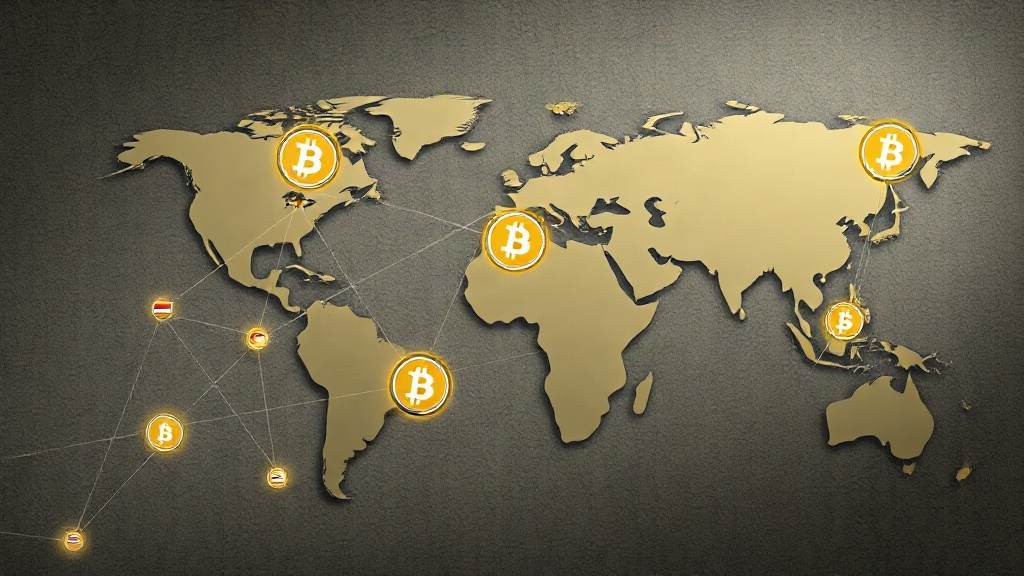
Bitcoin operates on a peer-to-peer (P2P) network, with tens of thousands of nodes worldwide collectively maintaining a public, transparent, and tamper-proof distributed ledger. It employs a Proof-of-Work (PoW) consensus mechanism, in which miners compete using the computational power of the SHA-256 algorithm to earn the right to record transactions. On average, a new block is generated approximately every 10 minutes, and the miner receives a reward. This process both ensures network security and facilitates the issuance of new coins. The total supply of Bitcoin is hard-coded at 21 million coins and will never exceed this limit. The rate of new coin issuance is continuously reduced through a “halving” mechanism that occurs approximately every four years; the fourth halving was completed in 2024. It is precisely this verifiable scarcity and anti-inflationary nature that has earned Bitcoin the title of “digital gold.”
Decentralization, censorship resistance, and global liquidity are Bitcoin’s core value propositions: anyone can hold and transfer Bitcoin without permission; transactions occur 24/7, uninterrupted by geographical boundaries or bank operating hours; and the ledger—based on cryptography and network-wide consensus—is extremely difficult to tamper with or freeze. Alongside the mainnet, Layer 2 solutions such as the Lightning Network continue to enhance the speed and cost-efficiency of micropayments.
As the cryptocurrency with the largest market capitalization and strongest consensus, Bitcoin serves not only as a key asset for storing value and hedging against risk but also as the cornerstone and pricing anchor of the entire crypto industry; its price movements serve as a barometer for the entire digital asset market. With the approval and listing of U.S. Bitcoin spot ETFs in early 2024, institutional investors, publicly traded companies, and even some sovereign wealth funds are accelerating their inclusion of Bitcoin in their asset allocations. At the same time, Bitcoin’s price remains highly volatile, and investors should continue to approach market risks with a rational mindset.
Since its inception, Bitcoin has undergone multiple bull and bear cycles, growing from being virtually worthless to a global asset with a market capitalization in the trillions, all while experiencing significant volatility. It has spawned vast industries—including mining, exchanges, wallets, and derivatives—and driven the development of the entire blockchain sector; Today, Bitcoin is not only a consensus asset among crypto enthusiasts but is also gradually being viewed by traditional financial institutions as a new type of alternative investment.
This page aggregates comprehensive Bitcoin (BTC) market data: real-time prices, 24-hour and multi-period price changes, multi-period candlestick charts and moving averages (MA), MACD, RSI, Bollinger Bands, and other technical indicators; BTC’s real-time market capitalization ranking; trading volume and historical price data. It also aggregates the latest Bitcoin news and policy updates, supports real-time conversion between BTC and fiat currencies such as the Chinese yuan, U.S. dollar, and euro, helping you quickly assess value and stay on top of market trends.
BTC Data

24H Trending
-
1
What is Catcoin (CAT)? An Analysis of the Current State and Trading Channels for Multi-Version Memecoins

-
2
Matrixport Whale Tracking ETH Long/Short Signals: How Retail Investors Should Approach High-Leverage Trading

-
3
Chinese humanoid robots are accelerating their entry into the into the South Korean market, as Seoul heavily bets on physical AI.
-
4
ECB Survey: Consumers Expect Higher Inflation, Weaker Economic Growth in September
-
5
GHC Coin: Analysis of Buying, Selling, and Exchange Listings for Galaxy Heroes Coin
-
6
What is MTK Coin? Metakings Project Status and High-Risk Warning

-
7
WTI crude surged over 3.8% during trading, nearing $103.30 per barrel, while Brent crude rose nearly 3.8% to surpass $117.40 per barrel, driven by ongoing Middle East risks and short covering.
-
8
Ukrainian officials state that SpaceX continues to restrict Starlink services, disconnecting drones exceeding 100 mph, despite Donald Trump's prior commitment to restore service.
-
9
The China Securities Regulatory Commission (CSRC) has approved the establishment of Citi Securities (China) with a registered capital of 1.2 billion yuan.
-
10
OKB 2026 Market Review: Price Dynamics, On-chain Data, and Market Analysis


Recommended Reading

Hot Topics

Svmuu focuses on blockchain industry trends and cutting-edge cryptocurrency news, while also covering real-time market data and in-depth analysis of the Hong Kong, U.S., and foreign exchange markets. Here, you can not only access professional 24/7 news updates and accurate market data, but also utilize practical investment tools to help you capitalize on opportunities in both digital assets and traditional financial markets. Whether you are a blockchain enthusiast or an investor in Hong Kong, U.S., or foreign exchange markets, we provide efficient and timely information services to empower your investment decisions.
- User Agreement
- Privacy Policy
- Contact Us
- Business Partnerships
- Disclaimer
- Content Statement
- About Us
- Sitemap
 Coming Soon!
