

Faster global financial news!
Trading Risks
-
MEF Status Analysis: Homonymous Projects, Trading Activity, and Risk Advisory
Public records show that MEF corresponds to at least two different entities: a Solana ecosystem memecoin and the MZ generation platform token MEFLEX. Snapshot data for the former shows extremely low 24-hour trading volume, indicating a nearly depleted market; for the latter, price, market cap, trading volume, and circulating supply metrics are conflicting, making it impossible to confirm its activity level. This article does not provide trading paths but focuses on warning about name confusion and liquidity risks.
-
What is GEEQ? Project Status and Trading Activity Analysis
GEEQ, an Ethereum ERC20 token with a 2017 whitepaper, is publicly stated to be based on PoH consensus and used for node rewards and online payments. As of October 15, 2026, its price is approximately $0.002868, with a market capitalization of about $110,466. Its 24-hour trading volume is only a few hundred dollars, indicating a nearly depleted trading market and a lack of effective transactions.
-
Bitcoin Trading in Mainland China: Policies, Risks, and Compliance Boundaries
Since September 2021, mainland China has comprehensively banned virtual currency-related business activities, including Bitcoin trading and mining. It is also illegal for overseas exchanges to provide services to mainland residents. Although owning Bitcoin itself is not illegal, any trading or exchange activities may violate the law, posing extremely high legal and financial security risks. This article will delve into mainland China's Bitcoin regulatory policies.
-
DOBO Coin (DogeBonk) Status Analysis: Trading Activity and Historical Performance
DOBO (DogeBonk) was once a meme token traded on decentralized exchanges (DEXs). However, recent data indicates extremely low trading activity for the token, with a 24-hour trading volume of only single-digit US dollars and a negligible number of holders. Its current price is significantly below its all-time high but shows a substantial increase from its all-time low. This article will analyze DOBO's current market status and historical data, cautioning investors about the risk of trading exhaustion.
-
FINO Coin Market Analysis: Trading Activity and Potential Risks
Public data for FINO coin shows extremely low trading activity, with multiple platforms recording zero trading volume and market capitalization in July 2023. Although FINO has been mentioned on decentralized exchanges, it is generally accompanied by risk warnings of high volatility and inaccurate information. Currently, major centralized exchanges such as Coinbase and Binance do not directly support FINO trading, and its market has nearly dried up. Investors should be wary of related risks.
-
REFI Token Analysis and Trading Status: Realfinance Network vs. Retard Finance
The REFI token name is ambiguous, primarily referring to two projects: Realfinance Network (REFI) and Retard Finance (REFI). According to the latest data, Realfinance Network (REFI) has no active trading market, with both its circulating market cap and 24-hour trading volume at zero. Retard Finance (REFI) also has extremely low 24-hour trading volume, with market liquidity nearly depleted. Investors considering any such tokens must thoroughly understand the project background and be wary of potential high risks.
-
WEB3ALLBI Token Trading Status: Extremely low market liquidity, significant risks present.
WEB3ALLBI currently lacks an active trading market on major cryptocurrency exchanges, with most data platforms showing missing price data or near-zero trading volumes. Although some platforms list its trading pairs, 24-hour trading volumes are extremely low, indicating a severe lack of market liquidity. Over-the-counter (OTC) trading carries significant risks, and investors are strongly advised to conduct thorough research and careful evaluation before participating.
-
BXKT Coin: Name Ambiguity and Market Status Analysis of BitTokens (BXT)
Search results for BXKT coin often point to similarly named or sounding tokens such as BitTokens (BXT) or Buy Coin Token (BCT). This article will primarily focus on BitTokens (BXT), analyzing its current market activity and potential trading channels. Given the liquidity challenges that such tokens may face, we remind readers to conduct comprehensive risk assessments and due diligence when exploring cryptocurrency trading, and to verify the latest market information on platforms like Svmuu.
-
LSC Coin Analysis: Trading and Market Status Under Multiple Identities
There are multiple tokens in the cryptocurrency market that use the "LSC" ticker, belonging to different blockchain networks and possessing their own project backgrounds, technical characteristics, and market performance. This article will provide a detailed analysis of the three main LSC projects currently available—Summer Slicer, LS Coin, and Last Survivor—covering their core concepts, current market data, and available trading channels, while also highlighting associated risks to help readers distinguish between the various LSC tokens.
-
BRO Token Analysis: Trading Status and Risks of Similarly Named Projects on Solana, Ethereum, and Base Chains
BRO tokens exist across multiple blockchain ecosystems such as Solana, Ethereum, and Base, but most projects with the same name currently have extremely low or stagnant trading activity. The BRO token on the Solana ecosystem has a 24-hour trading volume of only tens of dollars, the Bro Token on Ethereum has zero trading volume, and the BRO token on the Base chain has ceased trading. Investors must fully understand the highly inactive market conditions and potential risks when considering such tokens.
-
Current Status of Virtual Currency Trading Regulation and Risk Warnings in Mainland China
Mainland China has comprehensively banned virtual currency-related businesses since 2021, and further tightened regulations in 2026 to include overseas services and RWA tokenization in its crackdown. Although individual ownership of cryptocurrencies is not illegal, any form of trading activity faces severe legal and financial security risks. This article aims to interpret mainland China's regulatory policies and warn of associated risks, emphasizing that there are currently no legally operating "domestically available" virtual currency trading platforms.
-
GINSPIRIT Coin Status: Trading Activity and Information Integration Analysis
GINSPIRIT (GIN) currently shows extremely low or zero trading volume on major crypto data platforms, and its price data is inconsistent. CoinMarketCap labels it as a "preview page," indicating that data is still being integrated and there is a lack of active centralized exchange markets. Crypto.com suggests that the token may be available for exchange through its decentralized products. Given its extremely low trading activity, investors should exercise caution and verify information.
-
CON Coin Analysis: Market Status and Trading Overview of Concoin (CONX) and CONUN (CON)
"CON coin" may refer to either Concoin (CONX) or CONUN (CON). Concoin (CONX) currently has extremely limited trading activity, with its 24-hour trading volume and market capitalization both near zero, indicating a nearly depleted market. CONUN (CON) was previously listed on the Bithumb exchange, but public information does not show its current active trading markets or specific trading data. Investors considering such tokens must thoroughly verify their latest market conditions and liquidity risks.
-
MAV Perpetual Contract Beginner's Guide: Core Features and Trading Risk Analysis
Maverick Protocol (MAV) is a decentralized finance infrastructure designed to enhance capital efficiency in DeFi. Perpetual contracts for its token, MAV, have been launched on major trading platforms, offering traders features such as no expiry date, a funding rate mechanism, and high leverage. However, new traders participating in MAV perpetual contract trading need to be aware of five major risks: excessive leverage, lack of stop-loss orders, improper capital management, funding rate costs, and extreme market volatility. Understanding these features and risks is crucial for developing a prudent trading strategy.
-
CBANK Token: Multi-faceted Identity Analysis and Trading Status
There are multiple projects with the same or similar names to CBANK tokens in the crypto market, including CryptoBank (CBANK), CASH BANK (CBANK), and Cairo Bank (CBANK). Among them, Cairo Bank (CBANK) has ceased trading, while CryptoBank (CBANK)'s price has fallen 100% from its all-time high, with extremely low market activity. The trading activity of CASH BANK (CBANK) also remains unconfirmed. This article will provide a detailed analysis of the backgrounds of these CBANK tokens and evaluate their current trading feasibility and potential risks to help investors differentiate between them.
-
SMOON Token Disambiguation: SafeMoon, SnailMoon, and Other Projects - Current Status and Trading Overview
There are multiple projects sharing the token name SMOON, including SafeMoon, SnailMoon, Solmoon BSC, and SaylorMoon. Among them, SafeMoon has extremely low trading volume and concerning market activity. SnailMoon is Ethereum-based and tradable on Uniswap, but its activity requires careful verification. Solmoon BSC is described as "coming soon," and the trading status of SaylorMoon also needs confirmation. Investors must clarify the specific project they are referring to before trading and fully understand its market conditions and risks.
-
Ambiguity Analysis of BA Coin: Trading Status of BAHA and BaTorrent
"BA Coin" refers to multiple crypto projects. This article primarily analyzes the market status and potential trading avenues for BAHA (BA) and BaTorrent (BA). The BAHA project is based on the BNB Smart Chain, but its circulating supply and trading activity indicate a near-depleted market. Information on BaTorrent is even more limited, and its trading activity cannot yet be confirmed. The article advises investors to exercise extreme caution when trading such low-liquidity assets and emphasizes the general risks associated with cryptocurrency trading.
-
Current State of Cryptocurrency Trading in Mainland China: Policies, Risks, and Legal Status
Since 2021, mainland China has completely banned cryptocurrency trading activities, further tightening regulations in 2026 by explicitly classifying virtual currency-related businesses as illegal financial activities. Although personal ownership of cryptocurrencies is recognized as "virtual property" and is not illegal in itself, any form of trading, especially through overseas platforms or P2P channels, faces extremely high legal and financial risks. This article will delve into mainland China's cryptocurrency regulatory framework, the gray areas of individual trading, and the promotion of the official digital yuan.
-
LMN Token (Lemonn Token) Status Analysis: Project Stagnation and Trading Risk Alert
Lemonn Token (LMN) is a job platform token based on the Binance Smart Chain (BSC), designed to connect job seekers with recruiters. However, its official website has been offline since October 2025, and as of September 13, 2026, the token's 24-hour trading volume is near zero, with its circulating supply also disputed, with some data showing it as zero. These signs indicate that the LMN project has stalled, and its market value and long-term investment potential face extremely high risks.
-
Bitcoin Regulation and Trading Risks in Mainland China: An Analysis
Since 2021, mainland China has completely banned virtual currency-related business activities, including trading and mining. Regulators have characterized virtual currency trading and speculation as illegal financial activities and have continuously escalated regulatory measures. Major cryptocurrency trading platforms have ceased providing services to mainland Chinese residents. This article will delve into mainland China's regulatory framework, policy impacts, and potential legal and financial risks, reminding readers to strictly comply with local laws and regulations.
-
1UP Coin Analysis: Numerous Tokens with the Same Name, Trading Status, and Risk Advisory
"1UP Coin" does not refer to a single cryptocurrency, but rather to multiple digital assets with similar names but no interrelation. These include tokens for NFT gaming platforms, social media platforms, and other smaller projects. Most of these tokens exhibit extremely low activity, with trading volumes nearing depletion, and some even lack an active market. Investors are urged to conduct thorough project background verification and liquidity assessments when identifying and considering any "1UP"-related digital assets, and to be wary of potential risks.
-
Hunter Crypto Coin (HCC) Current State Analysis: Market Liquidity and Trading Channel Overview
Hunter Crypto Coin (HCC) is a low-liquidity token in the cryptocurrency market. Public data shows its circulating supply as zero, and its 24-hour trading volume is either extremely low or displayed as "N/A," indicating a lack of an active trading market for the token. Although some platforms have mentioned the possibility of exchanging it via decentralized exchanges (DEXs), investors should be wary of potential liquidity risks and trading difficulties given its current market status.
-
LKN Coin Analysis: LinkCoin Token and Lockness Project Status and Trading Overview
The LKN token may refer to two independent projects: LinkCoin Token or Lockness. LinkCoin Token was formerly the exchange token of the OTC trading platform LinkCoin, but the project has largely stalled, and trading liquidity has dried up. Lockness aims to build a decentralized crypto payment gateway, but its LKN token has extremely low 24-hour trading volume, indicating insufficient market activity. Investors considering any LKN token must fully understand its project status and potential risks.
-
KNV Coin Status Analysis: Market Activity and Trading Channel Review
The KNV (Kanva) token is an ERC20 project designed to connect art with decentralized finance. However, according to the latest market data, its trading activity is extremely low, it lacks listings on mainstream centralized exchanges, and key market data (such as market cap and circulating supply) generally show insufficient or zero values. While there might be potential avenues for trading through decentralized exchanges (DEXs), its market is nearly depleted, and investors should be wary of high risks.























- No data
-
MEF Status Analysis: Homonymous Projects, Trading Activity, and Risk Advisory
Public records show that MEF corresponds to at least two different entities: a Solana ecosystem memecoin and the MZ generation platform token MEFLEX. Snapshot data for the former shows extremely low 24-hour trading volume, indicating a nearly depleted market; for the latter, price, market cap, trading volume, and circulating supply metrics are conflicting, making it impossible to confirm its activity level. This article does not provide trading paths but focuses on warning about name confusion and liquidity risks.
-
What is GEEQ? Project Status and Trading Activity Analysis
GEEQ, an Ethereum ERC20 token with a 2017 whitepaper, is publicly stated to be based on PoH consensus and used for node rewards and online payments. As of October 15, 2026, its price is approximately $0.002868, with a market capitalization of about $110,466. Its 24-hour trading volume is only a few hundred dollars, indicating a nearly depleted trading market and a lack of effective transactions.
-
Bitcoin Trading in Mainland China: Policies, Risks, and Compliance Boundaries
Since September 2021, mainland China has comprehensively banned virtual currency-related business activities, including Bitcoin trading and mining. It is also illegal for overseas exchanges to provide services to mainland residents. Although owning Bitcoin itself is not illegal, any trading or exchange activities may violate the law, posing extremely high legal and financial security risks. This article will delve into mainland China's Bitcoin regulatory policies.
-
DOBO Coin (DogeBonk) Status Analysis: Trading Activity and Historical Performance
DOBO (DogeBonk) was once a meme token traded on decentralized exchanges (DEXs). However, recent data indicates extremely low trading activity for the token, with a 24-hour trading volume of only single-digit US dollars and a negligible number of holders. Its current price is significantly below its all-time high but shows a substantial increase from its all-time low. This article will analyze DOBO's current market status and historical data, cautioning investors about the risk of trading exhaustion.
-
FINO Coin Market Analysis: Trading Activity and Potential Risks
Public data for FINO coin shows extremely low trading activity, with multiple platforms recording zero trading volume and market capitalization in July 2023. Although FINO has been mentioned on decentralized exchanges, it is generally accompanied by risk warnings of high volatility and inaccurate information. Currently, major centralized exchanges such as Coinbase and Binance do not directly support FINO trading, and its market has nearly dried up. Investors should be wary of related risks.
-
REFI Token Analysis and Trading Status: Realfinance Network vs. Retard Finance
The REFI token name is ambiguous, primarily referring to two projects: Realfinance Network (REFI) and Retard Finance (REFI). According to the latest data, Realfinance Network (REFI) has no active trading market, with both its circulating market cap and 24-hour trading volume at zero. Retard Finance (REFI) also has extremely low 24-hour trading volume, with market liquidity nearly depleted. Investors considering any such tokens must thoroughly understand the project background and be wary of potential high risks.
-
WEB3ALLBI Token Trading Status: Extremely low market liquidity, significant risks present.
WEB3ALLBI currently lacks an active trading market on major cryptocurrency exchanges, with most data platforms showing missing price data or near-zero trading volumes. Although some platforms list its trading pairs, 24-hour trading volumes are extremely low, indicating a severe lack of market liquidity. Over-the-counter (OTC) trading carries significant risks, and investors are strongly advised to conduct thorough research and careful evaluation before participating.
-
BXKT Coin: Name Ambiguity and Market Status Analysis of BitTokens (BXT)
Search results for BXKT coin often point to similarly named or sounding tokens such as BitTokens (BXT) or Buy Coin Token (BCT). This article will primarily focus on BitTokens (BXT), analyzing its current market activity and potential trading channels. Given the liquidity challenges that such tokens may face, we remind readers to conduct comprehensive risk assessments and due diligence when exploring cryptocurrency trading, and to verify the latest market information on platforms like Svmuu.
-
LSC Coin Analysis: Trading and Market Status Under Multiple Identities
There are multiple tokens in the cryptocurrency market that use the "LSC" ticker, belonging to different blockchain networks and possessing their own project backgrounds, technical characteristics, and market performance. This article will provide a detailed analysis of the three main LSC projects currently available—Summer Slicer, LS Coin, and Last Survivor—covering their core concepts, current market data, and available trading channels, while also highlighting associated risks to help readers distinguish between the various LSC tokens.
-
BRO Token Analysis: Trading Status and Risks of Similarly Named Projects on Solana, Ethereum, and Base Chains
BRO tokens exist across multiple blockchain ecosystems such as Solana, Ethereum, and Base, but most projects with the same name currently have extremely low or stagnant trading activity. The BRO token on the Solana ecosystem has a 24-hour trading volume of only tens of dollars, the Bro Token on Ethereum has zero trading volume, and the BRO token on the Base chain has ceased trading. Investors must fully understand the highly inactive market conditions and potential risks when considering such tokens.
-
Current Status of Virtual Currency Trading Regulation and Risk Warnings in Mainland China
Mainland China has comprehensively banned virtual currency-related businesses since 2021, and further tightened regulations in 2026 to include overseas services and RWA tokenization in its crackdown. Although individual ownership of cryptocurrencies is not illegal, any form of trading activity faces severe legal and financial security risks. This article aims to interpret mainland China's regulatory policies and warn of associated risks, emphasizing that there are currently no legally operating "domestically available" virtual currency trading platforms.
-
GINSPIRIT Coin Status: Trading Activity and Information Integration Analysis
GINSPIRIT (GIN) currently shows extremely low or zero trading volume on major crypto data platforms, and its price data is inconsistent. CoinMarketCap labels it as a "preview page," indicating that data is still being integrated and there is a lack of active centralized exchange markets. Crypto.com suggests that the token may be available for exchange through its decentralized products. Given its extremely low trading activity, investors should exercise caution and verify information.
-
CON Coin Analysis: Market Status and Trading Overview of Concoin (CONX) and CONUN (CON)
"CON coin" may refer to either Concoin (CONX) or CONUN (CON). Concoin (CONX) currently has extremely limited trading activity, with its 24-hour trading volume and market capitalization both near zero, indicating a nearly depleted market. CONUN (CON) was previously listed on the Bithumb exchange, but public information does not show its current active trading markets or specific trading data. Investors considering such tokens must thoroughly verify their latest market conditions and liquidity risks.
-
MAV Perpetual Contract Beginner's Guide: Core Features and Trading Risk Analysis
Maverick Protocol (MAV) is a decentralized finance infrastructure designed to enhance capital efficiency in DeFi. Perpetual contracts for its token, MAV, have been launched on major trading platforms, offering traders features such as no expiry date, a funding rate mechanism, and high leverage. However, new traders participating in MAV perpetual contract trading need to be aware of five major risks: excessive leverage, lack of stop-loss orders, improper capital management, funding rate costs, and extreme market volatility. Understanding these features and risks is crucial for developing a prudent trading strategy.
-
CBANK Token: Multi-faceted Identity Analysis and Trading Status
There are multiple projects with the same or similar names to CBANK tokens in the crypto market, including CryptoBank (CBANK), CASH BANK (CBANK), and Cairo Bank (CBANK). Among them, Cairo Bank (CBANK) has ceased trading, while CryptoBank (CBANK)'s price has fallen 100% from its all-time high, with extremely low market activity. The trading activity of CASH BANK (CBANK) also remains unconfirmed. This article will provide a detailed analysis of the backgrounds of these CBANK tokens and evaluate their current trading feasibility and potential risks to help investors differentiate between them.
-
SMOON Token Disambiguation: SafeMoon, SnailMoon, and Other Projects - Current Status and Trading Overview
There are multiple projects sharing the token name SMOON, including SafeMoon, SnailMoon, Solmoon BSC, and SaylorMoon. Among them, SafeMoon has extremely low trading volume and concerning market activity. SnailMoon is Ethereum-based and tradable on Uniswap, but its activity requires careful verification. Solmoon BSC is described as "coming soon," and the trading status of SaylorMoon also needs confirmation. Investors must clarify the specific project they are referring to before trading and fully understand its market conditions and risks.
-
Ambiguity Analysis of BA Coin: Trading Status of BAHA and BaTorrent
"BA Coin" refers to multiple crypto projects. This article primarily analyzes the market status and potential trading avenues for BAHA (BA) and BaTorrent (BA). The BAHA project is based on the BNB Smart Chain, but its circulating supply and trading activity indicate a near-depleted market. Information on BaTorrent is even more limited, and its trading activity cannot yet be confirmed. The article advises investors to exercise extreme caution when trading such low-liquidity assets and emphasizes the general risks associated with cryptocurrency trading.
-
Current State of Cryptocurrency Trading in Mainland China: Policies, Risks, and Legal Status
Since 2021, mainland China has completely banned cryptocurrency trading activities, further tightening regulations in 2026 by explicitly classifying virtual currency-related businesses as illegal financial activities. Although personal ownership of cryptocurrencies is recognized as "virtual property" and is not illegal in itself, any form of trading, especially through overseas platforms or P2P channels, faces extremely high legal and financial risks. This article will delve into mainland China's cryptocurrency regulatory framework, the gray areas of individual trading, and the promotion of the official digital yuan.
-
LMN Token (Lemonn Token) Status Analysis: Project Stagnation and Trading Risk Alert
Lemonn Token (LMN) is a job platform token based on the Binance Smart Chain (BSC), designed to connect job seekers with recruiters. However, its official website has been offline since October 2025, and as of September 13, 2026, the token's 24-hour trading volume is near zero, with its circulating supply also disputed, with some data showing it as zero. These signs indicate that the LMN project has stalled, and its market value and long-term investment potential face extremely high risks.
-
Bitcoin Regulation and Trading Risks in Mainland China: An Analysis
Since 2021, mainland China has completely banned virtual currency-related business activities, including trading and mining. Regulators have characterized virtual currency trading and speculation as illegal financial activities and have continuously escalated regulatory measures. Major cryptocurrency trading platforms have ceased providing services to mainland Chinese residents. This article will delve into mainland China's regulatory framework, policy impacts, and potential legal and financial risks, reminding readers to strictly comply with local laws and regulations.
-
1UP Coin Analysis: Numerous Tokens with the Same Name, Trading Status, and Risk Advisory
"1UP Coin" does not refer to a single cryptocurrency, but rather to multiple digital assets with similar names but no interrelation. These include tokens for NFT gaming platforms, social media platforms, and other smaller projects. Most of these tokens exhibit extremely low activity, with trading volumes nearing depletion, and some even lack an active market. Investors are urged to conduct thorough project background verification and liquidity assessments when identifying and considering any "1UP"-related digital assets, and to be wary of potential risks.
-
Hunter Crypto Coin (HCC) Current State Analysis: Market Liquidity and Trading Channel Overview
Hunter Crypto Coin (HCC) is a low-liquidity token in the cryptocurrency market. Public data shows its circulating supply as zero, and its 24-hour trading volume is either extremely low or displayed as "N/A," indicating a lack of an active trading market for the token. Although some platforms have mentioned the possibility of exchanging it via decentralized exchanges (DEXs), investors should be wary of potential liquidity risks and trading difficulties given its current market status.
-
LKN Coin Analysis: LinkCoin Token and Lockness Project Status and Trading Overview
The LKN token may refer to two independent projects: LinkCoin Token or Lockness. LinkCoin Token was formerly the exchange token of the OTC trading platform LinkCoin, but the project has largely stalled, and trading liquidity has dried up. Lockness aims to build a decentralized crypto payment gateway, but its LKN token has extremely low 24-hour trading volume, indicating insufficient market activity. Investors considering any LKN token must fully understand its project status and potential risks.
-
KNV Coin Status Analysis: Market Activity and Trading Channel Review
The KNV (Kanva) token is an ERC20 project designed to connect art with decentralized finance. However, according to the latest market data, its trading activity is extremely low, it lacks listings on mainstream centralized exchanges, and key market data (such as market cap and circulating supply) generally show insufficient or zero values. While there might be potential avenues for trading through decentralized exchanges (DEXs), its market is nearly depleted, and investors should be wary of high risks.
Trading Risks

24H Trending
-
1
Nomura: AI growth panic replaces inflation narrative, U.S. Treasuries regain hedging function; Thursday's 10-year U.S. Treasury yield plunged over 15 basis points, Nasdaq Composite plummeted 2.6%.
-
2
IFO Concept Analysis: A New Paradigm for DeFi Fundraising and Its Representative Tokens

-
3
What is Catcoin (CAT)? An Analysis of the Current State and Trading Channels for Multi-Version Memecoins

-
4
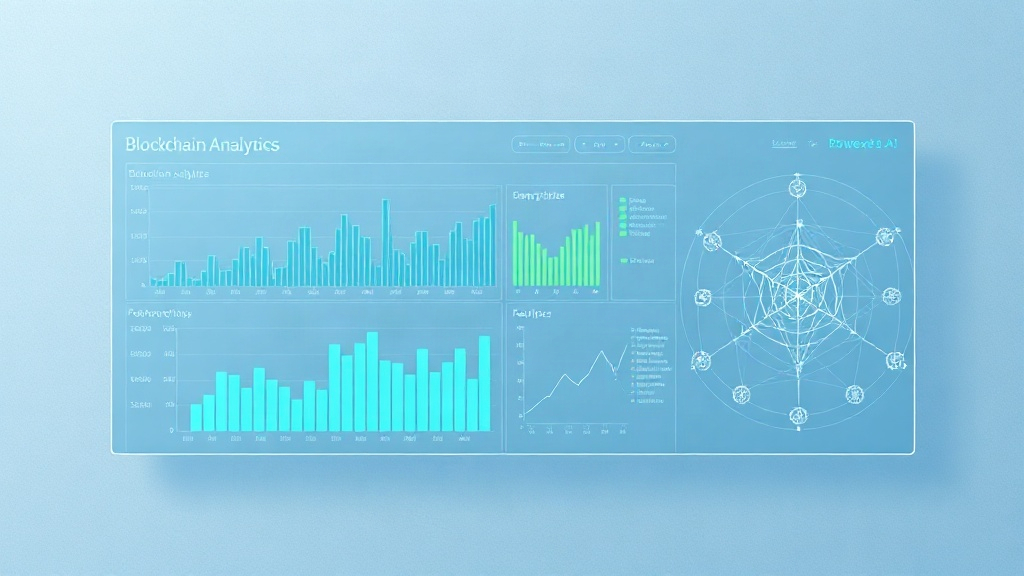
Arkham (ARKM) Project Analysis: AI-Powered On-Chain Intelligence and De-Anonymization Platform
-
5
Japan's core CPI for September rose to 2.1%, exceeding 2% for the first time this year; over 80% of economists expect the Bank of Japan (BOJ) to raise interest rates in December.
-
6
Financial Times: Escalating US-China trade tensions are forcing economies like Mexico to choose sides in trade policy.
-
7
Chinese humanoid robots are accelerating their entry into the into the South Korean market, as Seoul heavily bets on physical AI.
-
8
Wallstreetcn: Indian Rupee hit by "risk-off + oil price" double whammy, USD/INR expected to open Friday trading between 94.84-94.88
-
9
Is STARL Coin a Mainstream Cryptocurrency? Exploring Its Founders and Project Status

-
10
Matrixport Whale Tracking ETH Long/Short Signals: How Retail Investors Should Approach High-Leverage Trading

Markets Today



Recommended Reading

Hot Topics

Svmuu focuses on blockchain industry trends and cutting-edge cryptocurrency news, while also covering real-time market data and in-depth analysis of the Hong Kong, U.S., and foreign exchange markets. Here, you can not only access professional 24/7 news updates and accurate market data, but also utilize practical investment tools to help you capitalize on opportunities in both digital assets and traditional financial markets. Whether you are a blockchain enthusiast or an investor in Hong Kong, U.S., or foreign exchange markets, we provide efficient and timely information services to empower your investment decisions.
- User Agreement
- Privacy Policy
- Contact Us
- Business Partnerships
- Disclaimer
- Content Statement
- About Us
- Sitemap
 Coming Soon!