

Faster global financial news!
Token Burn
-
XRP burn rate surged 147% at 'Uptober' close, but price fell 15.86% for the month
XRP's burn rate surged 147% toward the end of October, with 1,644 XRP burned as fees on October 30, according to XRPScan data. This represents the XRP Ledger's deflationary mechanism, which automatica
-
Shiba Inu burn rate surges 428,862% in 24 hours, hitting a monthly high.
Shiba Inu's burn rate has surged by 428,862% in the past 24 hours, reaching its highest level this month, with over 1 million SHIB tokens destroyed, according to Shibburn data. This spike in burn acti
-
This change, updated on Monday, aims to reduce spam after a month-long audit competition received 809 reports
Solana's Firedancer software team now requires researchers to permanently burn 1 SOL (worth about $100) for each bug report submission. This change, updated on Monday, aims to reduce spam after a mont
-
LUNC Latest Market Performance: Can the Terra Classic Community's Efforts Restore Its Former Glory?
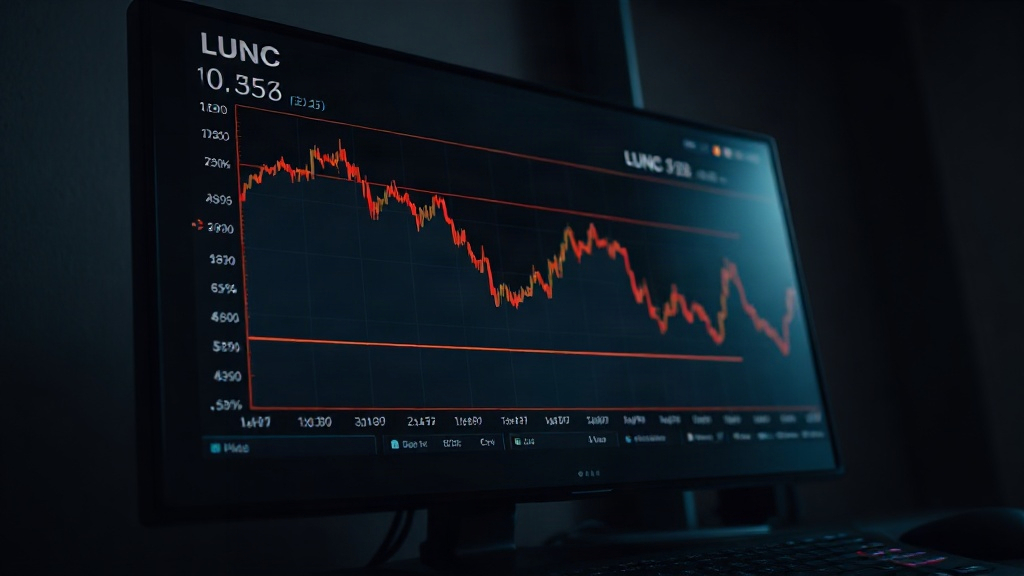
Following the collapse of the Terra Classic (LUNC) ecosystem in 2022, the community has continuously driven its recovery through governance, token burns, and infrastructure upgrades. As of October 26, 2026, the LUNC price is approximately $0.00004482, with a market capitalization of about $247 million. Despite ongoing token burns by platforms like Binance and the upcoming mainnet launch of Juris Protocol, analysts believe LUNC's return to its historical high is "highly unrealistic," and its future depends on the execution of fundamental upgrades and the cultivation of practical utility.
-
Shiba Inu briefly recorded zero burns within 24 hours, then resumed burning 20.41 million SHIB.
Shiba Inu reported zero burns within 24 hours earlier on Saturday, but this situation quickly reversed. An unknown address executed a burn transaction of 20,408,894 SHIB, bringing the total burn volum
-
JUST Ecosystem upgrades JST buyback and burn plan, injects $20.34 million surplus and establishes $50 million reserve fund, introduces GasFree revenue.
JUST Ecosystem upgrades JST buyback and burn plan, injects $20.34 million surplus and establishes $50 million reserve fund, introduces GasFree revenue.
-
Shiba Inu Community Members Explain Why Shibarium Burn Platform Shibtorch Paused SHIB Burns
Mazrael, a Shiba Inu community member, stated that the Shibarium burn platform Shibtorch's burn page is displaying errors because the data indexer no longer exists. Additionally, the platform needs to
-
Filecoin Token Burn Mechanism Analysis: How Network Fees and Penalties Reduce Supply
Filecoin's token burn mechanism is central to its deflationary economic model, operating primarily through two methods: first, a network transaction base fee burn similar to Ethereum's EIP-1559, where all Gas fees generated by on-chain operations are permanently removed; second, a penalty and forfeiture burn for storage providers, where staked tokens are burned if a storage node fails or violates rules. Additionally, community proposals like FIP-0118 (Solstice) have further adjusted block reward distribution, burning unearned service reward shares to enhance token scarcity.
-
BNB Chain completes 37th quarterly BNB token burn, destroying ~1.64M BNB worth approximately $1.197B USD
BNB Chain completes 37th quarterly BNB token burn, destroying ~1.64M BNB worth approximately $1.197B USD
-
BNB Chain has completed its 37th quarterly BNB auto-burn, destroying 1.65 million BNB, valued at approximately $1 billion. This initiative aims to reduce the total BNB supply to 100 million and continues to burn a portion of gas fees via the BEP-95 mechanism.
BNB Chain has completed its 37th quarterly BNB auto-burn, destroying 1.65 million BNB, valued at approximately $1 billion. This initiative aims to reduce the total BNB supply to 100 million and contin
-
Coinbase Sent Over 152 Million SHIB Tokens to Dead Wallets in Last 30 Days
Coinbase has sent over 152.3 million Shiba Inu (SHIB) tokens to dead addresses in the last 30 days, making it the second-largest SHIB burner for the month. These tokens were transferred across 9 trans
-
Terra Classic (LUNC) Market Review: From Collapse to Community-Driven Recovery
Terra Classic (LUNC) is a legacy token from the 2022 collapse of the Terra ecosystem, whose predecessor LUNA caused tens of billions of dollars in market capitalization to evaporate. Since then, LUNC has been taken over by the community, which continues to burn tokens to reduce supply. In 2026, the LUNC network underwent a series of infrastructure upgrades and security patches, aiming to improve performance and interoperability. Currently, LUNC's recovery still faces significant challenges, with highly volatile market performance, and analysts emphasize that rebuilding utility is key to long-term development.
-
LUNA and LUNC Burning Mechanisms and Latest Developments: An Analysis of the Dual-Token Status in the Terra Ecosystem
Both LUNA and LUNC tokens within the Terra ecosystem have seen significant developments recently. The Terra Classic (LUNC) community continues its efforts to reduce token supply through on-chain burn taxes and destruction proposals, with Binance, a major contributor, having burned over 88 billion LUNC. However, LUNC's monthly burn volume has decreased. Terra (LUNA), following a recent network upgrade, saw its daily trading volume briefly surpass the combined total of LUNC and USTC, and its price also increased. This article will delve into the latest dynamics of these two tokens.
-
Shiba Inu recorded zero burns in the past 24 hours, a rare occurrence, with the burn rate plummeting 100%.
According to U.Today, the dog-themed cryptocurrency Shiba Inu saw no SHIB tokens burned in the past 24 hours, with the burn rate plummeting 100%, marking a rare pause in its token burning activity. Th
-
Shiba Inu burn rate surges 6847% with 297 million SHIB burned, driven by a single large transaction
Shiba Inu's burn rate saw a significant increase of 6847.52% in the last 24 hours, with over 297 million SHIB tokens permanently removed from circulation. This surge was primarily due to a single burn
-
BNB Price Surges: Ecosystem Development Driven by Multiple Factors
As the core token of the Binance ecosystem, BNB's price fluctuations are influenced by multiple factors. Recently, technical upgrades to BNB Chain, ecosystem expansion, token burn mechanisms, and the evolving regulatory environment have collectively driven its market performance. This article will delve into these driving factors and explore BNB's positioning and development within decentralized finance, Web3 applications, and the broader crypto market.
-
LUNC Coin: Latest Developments and Future Outlook – Community Governance, Burn Mechanism, and Market Performance Analysis
Terra Classic (LUNC) has recently sought to reshape its ecosystem through a series of community governance proposals and technical upgrades. This includes completing the Cosmos SDK v0.53 upgrade, introducing Market Module 2.0 to control token minting, and increasing the on-chain transaction burn tax. Platforms such as Binance have also actively participated in token burning, aiming to drive LUNC towards deflation. Currently, LUNC's price fluctuates in the $0.00005 range, with a market capitalization of approximately $300 million. While the community remains confident in its potential, analysts are divided on whether LUNC can "turn the tide," and its long-term value still depends on ecosystem development and market trends.
-
Shiba Inu's Burn Rate Surges 657%, Sending 15.16 Million SHIB to Dead Wallets
The significant increase in Shiba Inu's burn rate over the past 24 hours marks a deviation from the flattened activity observed earlier in the week. In total, 99.16 million SHIB were burned in the las
-
Shiba Inu's daily burn volume drops to 0, burn rate plummets 100%.
According to Shibburn data, Shiba Inu's burn rate was 0 in the past 24 hours, representing a 100% drop in daily burns. This marks an unusually quiet period for Shiba Inu, but the article notes that a
-
UNI Price Dynamics: Breaking Key Resistance, Can $8 Be the Next Target?
The Uniswap (UNI) token has shown strong performance recently, surging approximately 78.4% over the past 30 days, with its current trading price between $6.28 and $6.59. Technical analysis indicates that UNI has broken above a multi-year downtrend line and successfully retested it. On the protocol front, Uniswap v4 introduces "Hooks" functionality, and the platform has launched an aggregator, Earn yield products, and cross-chain expansion with UniswapX. Regarding tokenomics, the UNI burn mechanism under the UNIfication governance framework continues, with the founder emphasizing its importance for value accumulation. Market sentiment is generally bullish, but regulatory uncertainty and macroeconomic factors remain potential risks.
-
LUNC Price Dynamics: Terra Classic Community's Burn, Rebuild, and Market Analysis
The Terra Classic (LUNC) community is actively promoting ecosystem reconstruction and token burning. Since August 2, 2026, the on-chain transaction tax has been raised to 1.5%, with 1.2% allocated for burning. Binance also continues its monthly burns, having cumulatively burned over 87.4 billion LUNC. As of September 5, 2026, the price of LUNC is approximately $0.000052, with a market capitalization of about $290 million. Despite community efforts to reduce supply and restore utility, analysts emphasize that LUNC's long-term value must extend beyond mere burning, relying on the development of actual ecosystem utility.
-
Can SHIB Coin Reach $0.01? Challenges, Ecosystem Development, and Market Outlook
The SHIB coin community has long held the vision of reaching $0.01, yet its massive circulating supply poses a significant challenge. Nevertheless, the launch of the Shibarium Layer-2 solution, planned privacy upgrades, AI gaming collaborations, and adoption by Japanese institutions are gradually enhancing SHIB's utility. Large-scale token burns are considered crucial to achieving this goal, but the current burn rate is insufficient to significantly impact the supply. This article will delve into the conditions required for SHIB to reach $0.01 and the obstacles it faces.
-
An Analysis of the Shiba Inu (SHIB) Burn Mechanism: How long would it take to burn 100 trillion SHIB?
Shiba Inu (SHIB) reduces its large supply through multiple mechanisms, including sending tokens to "dead addresses," the ShibaSwap platform, Shibarium network transaction burns, and community-led activities. Ethereum co-founder Vitalik Buterin once burned 410 trillion SHIB in a single transaction, and the current circulating supply is approximately 589 trillion. Although burn activities are ongoing and their speed fluctuates, based on current average estimates, burning another 100 trillion SHIB could take hundreds of years, highlighting the challenging nature of its immense supply.
-
Cryptocurrency Burn and Dividend Mechanisms: Purposes, Methods, and Detailed Case Studies
Cryptocurrency token burn and crypto dividends are two common token economic mechanisms designed to reward holders and influence token value. Burning creates scarcity by permanently removing tokens, combating inflation; dividends, on the other hand, directly or indirectly distribute rewards to holders. Among these, buyback and burn acts as an indirect form of dividend, reducing the circulating supply to increase the value of remaining tokens, a strategy commonly used by many projects.








-
XRP burn rate surged 147% at 'Uptober' close, but price fell 15.86% for the month
XRP's burn rate surged 147% toward the end of October, with 1,644 XRP burned as fees on October 30, according to XRPScan data. This represents the XRP Ledger's deflationary mechanism, which automatica
-
Shiba Inu burn rate surges 428,862% in 24 hours, hitting a monthly high.
Shiba Inu's burn rate has surged by 428,862% in the past 24 hours, reaching its highest level this month, with over 1 million SHIB tokens destroyed, according to Shibburn data. This spike in burn acti
-
This change, updated on Monday, aims to reduce spam after a month-long audit competition received 809 reports
Solana's Firedancer software team now requires researchers to permanently burn 1 SOL (worth about $100) for each bug report submission. This change, updated on Monday, aims to reduce spam after a mont
-
Shiba Inu briefly recorded zero burns within 24 hours, then resumed burning 20.41 million SHIB.
Shiba Inu reported zero burns within 24 hours earlier on Saturday, but this situation quickly reversed. An unknown address executed a burn transaction of 20,408,894 SHIB, bringing the total burn volum
-
JUST Ecosystem upgrades JST buyback and burn plan, injects $20.34 million surplus and establishes $50 million reserve fund, introduces GasFree revenue.
JUST Ecosystem upgrades JST buyback and burn plan, injects $20.34 million surplus and establishes $50 million reserve fund, introduces GasFree revenue.
-
Shiba Inu Community Members Explain Why Shibarium Burn Platform Shibtorch Paused SHIB Burns
Mazrael, a Shiba Inu community member, stated that the Shibarium burn platform Shibtorch's burn page is displaying errors because the data indexer no longer exists. Additionally, the platform needs to
-
BNB Chain completes 37th quarterly BNB token burn, destroying ~1.64M BNB worth approximately $1.197B USD
BNB Chain completes 37th quarterly BNB token burn, destroying ~1.64M BNB worth approximately $1.197B USD
-
BNB Chain has completed its 37th quarterly BNB auto-burn, destroying 1.65 million BNB, valued at approximately $1 billion. This initiative aims to reduce the total BNB supply to 100 million and continues to burn a portion of gas fees via the BEP-95 mechanism.
BNB Chain has completed its 37th quarterly BNB auto-burn, destroying 1.65 million BNB, valued at approximately $1 billion. This initiative aims to reduce the total BNB supply to 100 million and contin
-
Coinbase Sent Over 152 Million SHIB Tokens to Dead Wallets in Last 30 Days
Coinbase has sent over 152.3 million Shiba Inu (SHIB) tokens to dead addresses in the last 30 days, making it the second-largest SHIB burner for the month. These tokens were transferred across 9 trans
-
Shiba Inu recorded zero burns in the past 24 hours, a rare occurrence, with the burn rate plummeting 100%.
According to U.Today, the dog-themed cryptocurrency Shiba Inu saw no SHIB tokens burned in the past 24 hours, with the burn rate plummeting 100%, marking a rare pause in its token burning activity. Th
-
Shiba Inu burn rate surges 6847% with 297 million SHIB burned, driven by a single large transaction
Shiba Inu's burn rate saw a significant increase of 6847.52% in the last 24 hours, with over 297 million SHIB tokens permanently removed from circulation. This surge was primarily due to a single burn
-
Shiba Inu's Burn Rate Surges 657%, Sending 15.16 Million SHIB to Dead Wallets
The significant increase in Shiba Inu's burn rate over the past 24 hours marks a deviation from the flattened activity observed earlier in the week. In total, 99.16 million SHIB were burned in the las
-
Shiba Inu's daily burn volume drops to 0, burn rate plummets 100%.
According to Shibburn data, Shiba Inu's burn rate was 0 in the past 24 hours, representing a 100% drop in daily burns. This marks an unusually quiet period for Shiba Inu, but the article notes that a
-
Hyperliquid incurred $1.4 million in fees and burned 20,600 HYPE tokens over the past day
Svmuu News: Onchain Lens posted on X that Hyperliquid generated $1.4 million in fees over the past day and burned 20,600 HYPE tokens, worth $1.2 million. The cumulative total of HYPE tokens burned to
-
Uniswap Submits Two Governance Proposals; All New Protocol Fees Will Be Allocated to the UNI Burn Mechanism
Svmuu News: Uniswap founder Hayden posted on X stating that Uniswap has just submitted two governance proposals for final on-chain voting, including enabling v2 and v3 protocol fees on the Robinhood C
-
Due to the destruction of CZ’s donation address, CZ briefly surged by more than 250%, and TCC briefly surged by more than 100%.
Svmuu News: According to GMGN data, TCC surged by over 100% in a short period and currently has a market capitalization of $7.67 million, while CZ surged by over 250% in a short period and currently h
-
CZ Donation Address Burns 700 Million CZ and 400 Million TCC
Svmuu News: According to on-chain analyst Ai, 5 minutes ago, CZ’s donation address (0x288... 307) transferred 700 million CZ and 400 million TCC to a blackhole address; both tokens have since seen var
-
Gate has burned GT for the third time this year, with a cumulative total of 7.29 million tokens burned, worth approximately $58.56 million.
Svmuu News: According to on-chain data, Gate (0x2b8...f308) has burned 2.57 million GT, worth $17.43 million. This marks Gate’s third GT burn this year, bringing the year-to-date total to 7.29 million
-
Heima's Proposal to Burn 16.5 Million HEI Tokens Opens for Community Voting, Foundation Votes in Favor
Svmuu reported that the cross-chain abstraction layer project Heima team announced on platform X that the on-chain proposal to burn 16.5 million HEI tokens from the ecosystem allocation has opened for
-
LUNC Latest Market Performance: Can the Terra Classic Community's Efforts Restore Its Former Glory?
Following the collapse of the Terra Classic (LUNC) ecosystem in 2022, the community has continuously driven its recovery through governance, token burns, and infrastructure upgrades. As of October 26, 2026, the LUNC price is approximately $0.00004482, with a market capitalization of about $247 million. Despite ongoing token burns by platforms like Binance and the upcoming mainnet launch of Juris Protocol, analysts believe LUNC's return to its historical high is "highly unrealistic," and its future depends on the execution of fundamental upgrades and the cultivation of practical utility.
-
Filecoin Token Burn Mechanism Analysis: How Network Fees and Penalties Reduce Supply
Filecoin's token burn mechanism is central to its deflationary economic model, operating primarily through two methods: first, a network transaction base fee burn similar to Ethereum's EIP-1559, where all Gas fees generated by on-chain operations are permanently removed; second, a penalty and forfeiture burn for storage providers, where staked tokens are burned if a storage node fails or violates rules. Additionally, community proposals like FIP-0118 (Solstice) have further adjusted block reward distribution, burning unearned service reward shares to enhance token scarcity.
-
Terra Classic (LUNC) Market Review: From Collapse to Community-Driven Recovery
Terra Classic (LUNC) is a legacy token from the 2022 collapse of the Terra ecosystem, whose predecessor LUNA caused tens of billions of dollars in market capitalization to evaporate. Since then, LUNC has been taken over by the community, which continues to burn tokens to reduce supply. In 2026, the LUNC network underwent a series of infrastructure upgrades and security patches, aiming to improve performance and interoperability. Currently, LUNC's recovery still faces significant challenges, with highly volatile market performance, and analysts emphasize that rebuilding utility is key to long-term development.
-
LUNA and LUNC Burning Mechanisms and Latest Developments: An Analysis of the Dual-Token Status in the Terra Ecosystem
Both LUNA and LUNC tokens within the Terra ecosystem have seen significant developments recently. The Terra Classic (LUNC) community continues its efforts to reduce token supply through on-chain burn taxes and destruction proposals, with Binance, a major contributor, having burned over 88 billion LUNC. However, LUNC's monthly burn volume has decreased. Terra (LUNA), following a recent network upgrade, saw its daily trading volume briefly surpass the combined total of LUNC and USTC, and its price also increased. This article will delve into the latest dynamics of these two tokens.
-
BNB Price Surges: Ecosystem Development Driven by Multiple Factors
As the core token of the Binance ecosystem, BNB's price fluctuations are influenced by multiple factors. Recently, technical upgrades to BNB Chain, ecosystem expansion, token burn mechanisms, and the evolving regulatory environment have collectively driven its market performance. This article will delve into these driving factors and explore BNB's positioning and development within decentralized finance, Web3 applications, and the broader crypto market.
-
LUNC Coin: Latest Developments and Future Outlook – Community Governance, Burn Mechanism, and Market Performance Analysis
Terra Classic (LUNC) has recently sought to reshape its ecosystem through a series of community governance proposals and technical upgrades. This includes completing the Cosmos SDK v0.53 upgrade, introducing Market Module 2.0 to control token minting, and increasing the on-chain transaction burn tax. Platforms such as Binance have also actively participated in token burning, aiming to drive LUNC towards deflation. Currently, LUNC's price fluctuates in the $0.00005 range, with a market capitalization of approximately $300 million. While the community remains confident in its potential, analysts are divided on whether LUNC can "turn the tide," and its long-term value still depends on ecosystem development and market trends.
-
UNI Price Dynamics: Breaking Key Resistance, Can $8 Be the Next Target?
The Uniswap (UNI) token has shown strong performance recently, surging approximately 78.4% over the past 30 days, with its current trading price between $6.28 and $6.59. Technical analysis indicates that UNI has broken above a multi-year downtrend line and successfully retested it. On the protocol front, Uniswap v4 introduces "Hooks" functionality, and the platform has launched an aggregator, Earn yield products, and cross-chain expansion with UniswapX. Regarding tokenomics, the UNI burn mechanism under the UNIfication governance framework continues, with the founder emphasizing its importance for value accumulation. Market sentiment is generally bullish, but regulatory uncertainty and macroeconomic factors remain potential risks.
-
LUNC Price Dynamics: Terra Classic Community's Burn, Rebuild, and Market Analysis
The Terra Classic (LUNC) community is actively promoting ecosystem reconstruction and token burning. Since August 2, 2026, the on-chain transaction tax has been raised to 1.5%, with 1.2% allocated for burning. Binance also continues its monthly burns, having cumulatively burned over 87.4 billion LUNC. As of September 5, 2026, the price of LUNC is approximately $0.000052, with a market capitalization of about $290 million. Despite community efforts to reduce supply and restore utility, analysts emphasize that LUNC's long-term value must extend beyond mere burning, relying on the development of actual ecosystem utility.
-
Can SHIB Coin Reach $0.01? Challenges, Ecosystem Development, and Market Outlook
The SHIB coin community has long held the vision of reaching $0.01, yet its massive circulating supply poses a significant challenge. Nevertheless, the launch of the Shibarium Layer-2 solution, planned privacy upgrades, AI gaming collaborations, and adoption by Japanese institutions are gradually enhancing SHIB's utility. Large-scale token burns are considered crucial to achieving this goal, but the current burn rate is insufficient to significantly impact the supply. This article will delve into the conditions required for SHIB to reach $0.01 and the obstacles it faces.
-
An Analysis of the Shiba Inu (SHIB) Burn Mechanism: How long would it take to burn 100 trillion SHIB?
Shiba Inu (SHIB) reduces its large supply through multiple mechanisms, including sending tokens to "dead addresses," the ShibaSwap platform, Shibarium network transaction burns, and community-led activities. Ethereum co-founder Vitalik Buterin once burned 410 trillion SHIB in a single transaction, and the current circulating supply is approximately 589 trillion. Although burn activities are ongoing and their speed fluctuates, based on current average estimates, burning another 100 trillion SHIB could take hundreds of years, highlighting the challenging nature of its immense supply.
-
Cryptocurrency Burn and Dividend Mechanisms: Purposes, Methods, and Detailed Case Studies
Cryptocurrency token burn and crypto dividends are two common token economic mechanisms designed to reward holders and influence token value. Burning creates scarcity by permanently removing tokens, combating inflation; dividends, on the other hand, directly or indirectly distribute rewards to holders. Among these, buyback and burn acts as an indirect form of dividend, reducing the circulating supply to increase the value of remaining tokens, a strategy commonly used by many projects.
-
LUNC Price Once Soared Significantly: An Analysis of Multiple Factors Behind the Terra Classic Token's Rise
Between April and May 2026, the Terra Classic (LUNC) token price experienced a significant surge, attracting widespread market attention. This rally was primarily driven by a combination of factors, including the ongoing token burn activities by Binance and the Terra Classic ecosystem, which effectively reduced the circulating supply; community-driven network upgrade proposals aimed at restoring chain functionality and rebuilding confidence; and a surge in trading volume and derivatives open interest, reflecting a return of short-term speculative interest. Additionally, the settlement between Terraform Labs and the SEC, its token burn plan, and the gradual decoupling of LUNC's price movements from LUNA/USTC were also seen as removing some market uncertainties, collectively contributing to this upward trend.
-
Latest LUNC Price Analysis: Is the Terra Classic Token "Obsolete"?
LUNC is the native token of the original chain following the collapse of the Terra ecosystem, and the community is working to revive it through measures such as the 1.2% transaction tax burn, the Binance, and staking.As of July 2026 at the time of publication, the price of LUNC fluctuated between $0.000055 and $0.000057, with a market capitalization of approximately $308 million to $328 million.Despite the community’s active efforts to recover, the massive supply of several trillion tokens, the slow burn rate, and fundamental challenges mean its long-term outlook remains highly uncertain, and the market is divided on its value.
Token Burn

24H Trending
-
1
First Abu Dhabi Bank is considering a multi-billion dollar rights issue
-
2
Is the Crypto Circle Legal in China? An Analysis of Legal Risks for Domestic Participants in Virtual Currency Trading

-
3
What is PAXG? An Analysis of the Investment Value of PAX Gold (PAXG)

-
4
What is Ethereum Push Notification Service (Push Protocol)? The Evolution of Web3 Communication Protocols

-
5
Is OKB Worth Holding Long-Term? A Comprehensive Guide to OKB Founders and Ecosystem Mechanisms
-
6
How to Choose Among Ten Crypto Exchanges: A Comparison of Features, Custody, and Risk
-
7
What is the Value of HON? An Analysis of the Heroes of NFT Ecosystem and Token Status
-
8
What is KEXCOIN? An Analysis of Its Issuance Background and Operational Mechanism
-
9
Nvidia Scandal Risks Aggravating Export Compliance Challenges for South Korean Chipmakers
-
10
What is Adamant (ADDY)? An Overview of the Polygon Ecosystem Yield Optimizer and ADDY Token

Markets Today





Recommended Reading

Hot Topics

Svmuu focuses on blockchain industry trends and cutting-edge cryptocurrency news, while also covering real-time market data and in-depth analysis of the Hong Kong, U.S., and foreign exchange markets. Here, you can not only access professional 24/7 news updates and accurate market data, but also utilize practical investment tools to help you capitalize on opportunities in both digital assets and traditional financial markets. Whether you are a blockchain enthusiast or an investor in Hong Kong, U.S., or foreign exchange markets, we provide efficient and timely information services to empower your investment decisions.
- User Agreement
- Privacy Policy
- Contact Us
- Business Partnerships
- Disclaimer
- Content Statement
- About Us
- Sitemap
 Coming Soon!
