

Faster global financial news!
Blockchain Scalability
-
Immutable X Platform User Adoption and Market Growth Analysis: State of the Web3 Gaming Ecosystem
Immutable X, an Ethereum Layer 2 scaling solution, focuses on the Web3 gaming and NFT sectors. By the end of 2024, both its user wallets and Immutable Passport registrations surpassed 4 million, with a significant expansion in the number of games on the platform. Following the launch of the Immutable zkEVM mainnet, monthly active users grew rapidly. Despite the NFT market experiencing adjustments in 2024, Immutable solidified its leadership in Web3 gaming through strategic partnerships with giants like NetMarble and GameStop. The U.S. SEC concluded its investigation into the IMX token in March 2025, removing regulatory hurdles and paving the way for the platform's future development.
-
Optimism (OP) In-depth Analysis: Ethereum Layer 2 Scaling Solution and Superchain Vision
Optimism is Ethereum's leading Layer 2 scaling solution, utilizing optimistic rollup technology to enhance transaction speed and reduce costs. At its core are the OP Stack open-source framework and the vision of building a unified "superchain" ecosystem. Recently, Optimism's governance layer approved the transfer of a large number of OP tokens to a strategic fund to drive institutional growth, sparking discussions about governance and token distribution. This article will delve into Optimism's technology, governance, tokenomics, and market performance.
-
Future Challenges for Blockchain: An In-Depth Analysis of Interoperability, Layer 2, and Sharding Technologies
As blockchain technology continues to evolve, interoperability, Layer 2 scaling solutions, and sharding technology are becoming key to resolving the “impossible triangle.”Interoperability aims to break down silos between chains and enable seamless communication, but it faces challenges related to security and standardization. Layer 2 solutions enhance mainnet performance through off-chain processing; approaches such as Rollups and sidechains each have their own distinct features, but user experience and ecosystem fragmentation still require optimization.Sharding technology increases throughput through parallel processing, with Ethereum, and Danksharding as representative examples; however, security and the efficiency of cross-shard communication remain core challenges. These technologies are developing in tandem, collectively driving the widespread adoption of Web3.
-
What is the Bitcoin Lightning Network? How does the Lightning Network work?
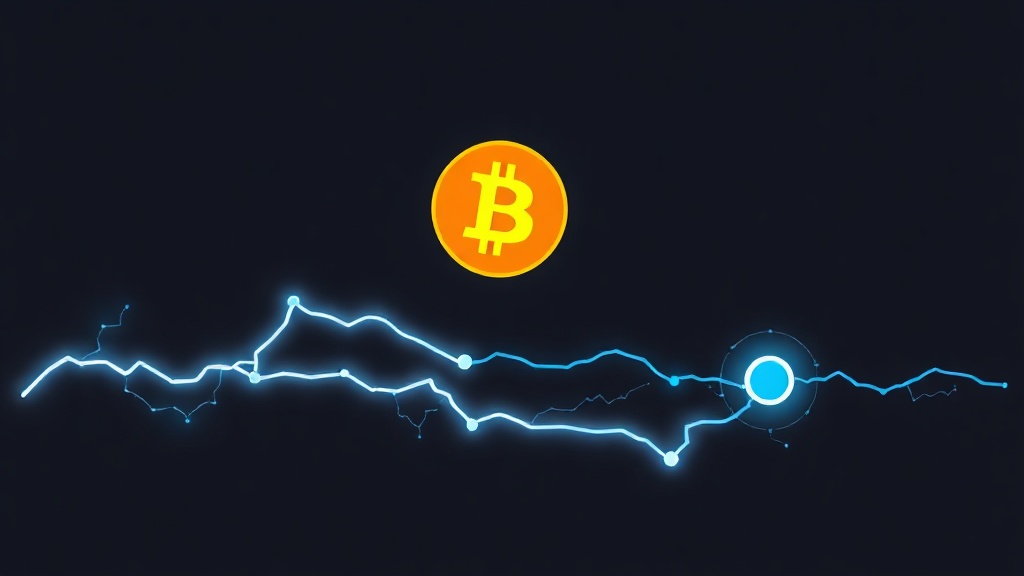
Bitcoin The Lightning Network is a Layer 2 payment protocol built on the Bitcoin blockchain, designed to address the slow transaction speeds and high fees on the Bitcoin mainnet. It enables off-chain transactions by creating “payment channels” between users, thereby significantly increasing transaction speeds and reducing costs.These off-chain transactions do not require individual confirmation on the Bitcoin mainchain; only the opening and final closing of a channel are recorded on the mainchain. The Lightning Network utilizes smart contracts and multi-signature technology to ensure transaction security, making it an ideal solution for small-value, high-frequency Bitcoin payments.


- No data
-
Immutable X Platform User Adoption and Market Growth Analysis: State of the Web3 Gaming Ecosystem
Immutable X, an Ethereum Layer 2 scaling solution, focuses on the Web3 gaming and NFT sectors. By the end of 2024, both its user wallets and Immutable Passport registrations surpassed 4 million, with a significant expansion in the number of games on the platform. Following the launch of the Immutable zkEVM mainnet, monthly active users grew rapidly. Despite the NFT market experiencing adjustments in 2024, Immutable solidified its leadership in Web3 gaming through strategic partnerships with giants like NetMarble and GameStop. The U.S. SEC concluded its investigation into the IMX token in March 2025, removing regulatory hurdles and paving the way for the platform's future development.
-
Optimism (OP) In-depth Analysis: Ethereum Layer 2 Scaling Solution and Superchain Vision
Optimism is Ethereum's leading Layer 2 scaling solution, utilizing optimistic rollup technology to enhance transaction speed and reduce costs. At its core are the OP Stack open-source framework and the vision of building a unified "superchain" ecosystem. Recently, Optimism's governance layer approved the transfer of a large number of OP tokens to a strategic fund to drive institutional growth, sparking discussions about governance and token distribution. This article will delve into Optimism's technology, governance, tokenomics, and market performance.
-
Future Challenges for Blockchain: An In-Depth Analysis of Interoperability, Layer 2, and Sharding Technologies
As blockchain technology continues to evolve, interoperability, Layer 2 scaling solutions, and sharding technology are becoming key to resolving the “impossible triangle.”Interoperability aims to break down silos between chains and enable seamless communication, but it faces challenges related to security and standardization. Layer 2 solutions enhance mainnet performance through off-chain processing; approaches such as Rollups and sidechains each have their own distinct features, but user experience and ecosystem fragmentation still require optimization.Sharding technology increases throughput through parallel processing, with Ethereum, and Danksharding as representative examples; however, security and the efficiency of cross-shard communication remain core challenges. These technologies are developing in tandem, collectively driving the widespread adoption of Web3.
-
What is the Bitcoin Lightning Network? How does the Lightning Network work?
Bitcoin The Lightning Network is a Layer 2 payment protocol built on the Bitcoin blockchain, designed to address the slow transaction speeds and high fees on the Bitcoin mainnet. It enables off-chain transactions by creating “payment channels” between users, thereby significantly increasing transaction speeds and reducing costs.These off-chain transactions do not require individual confirmation on the Bitcoin mainchain; only the opening and final closing of a channel are recorded on the mainchain. The Lightning Network utilizes smart contracts and multi-signature technology to ensure transaction security, making it an ideal solution for small-value, high-frequency Bitcoin payments.
Blockchain Scalability

24H Trending
-
1
Iraq's state tanker company arranges VLCC to transport 2 million barrels of crude beyond Strait of Hormuz, shifting oil strategy to offer oil outside Persian Gulf
-
2
Al Jazeera: Russia faces €18.7 billion nuclear plant decommissioning funding gap
-
3
Stellar (XLM) accounts for 37% of the global RWA tokenization market, with daily inflows of $36.4 million.
-
4
GFTS Token Analysis: Community Meme Asset and Potential Risks in the Solana Ecosystem

-
5
Ripple is heavily promoting XRP in college sports through multiple partnerships, including prominent advertisements at the University of Kansas football stadium.
-
6
Bitcoin Value Deep Dive: Is It Worth Long-Term Investment?

-
7
Musk reposted a tweet stating that Starlink can stream 5 college football games simultaneously on commercial flights.
-
8
XNK Coin Analysis: Value and Investment Considerations for Kinka (Gold-Backed) and Ink Protocol (Decentralized Credit)

-
9
George Long, founder of LIM Advisors: The company has been established for 30 years, and holds a cautiously optimistic view on Asian markets, precious metals, and Chinese equities.
-
10
AIOZ Network: Web3 Decentralized Infrastructure and AI Streaming Analysis

Markets Today





Recommended Reading

Hot Topics

Svmuu focuses on blockchain industry trends and cutting-edge cryptocurrency news, while also covering real-time market data and in-depth analysis of the Hong Kong, U.S., and foreign exchange markets. Here, you can not only access professional 24/7 news updates and accurate market data, but also utilize practical investment tools to help you capitalize on opportunities in both digital assets and traditional financial markets. Whether you are a blockchain enthusiast or an investor in Hong Kong, U.S., or foreign exchange markets, we provide efficient and timely information services to empower your investment decisions.
- User Agreement
- Privacy Policy
- Contact Us
- Business Partnerships
- Disclaimer
- Content Statement
- About Us
- Sitemap
 Coming Soon!
